Timeline
The timelines of these industrial disasters reveal how quickly manageable incidents can escalate into irreversible catastrophes. They highlight critical decision points where different actions might have altered the outcome.
The Triangle Shirtwaist Factory Fire: March 25, 1911
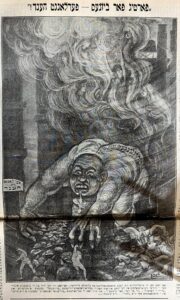
The tragedy in Lower Manhattan unfolded in less than half an hour. At approximately 4:40 PM on a Saturday, as the workday was ending, a fire broke out in a scrap bin on the eighth floor of the Asch Building, home to the Triangle Shirtwaist Company.
Within minutes, the flames, fed by bolts of fabric and loose clippings, engulfed the eighth floor. A bookkeeper on that floor was able to send a telephone warning to the executives on the tenth floor, who escaped to the roof. Crucially, no warning was sent to the ninth floor, where over 200 workers, mostly young immigrant women, were still working.
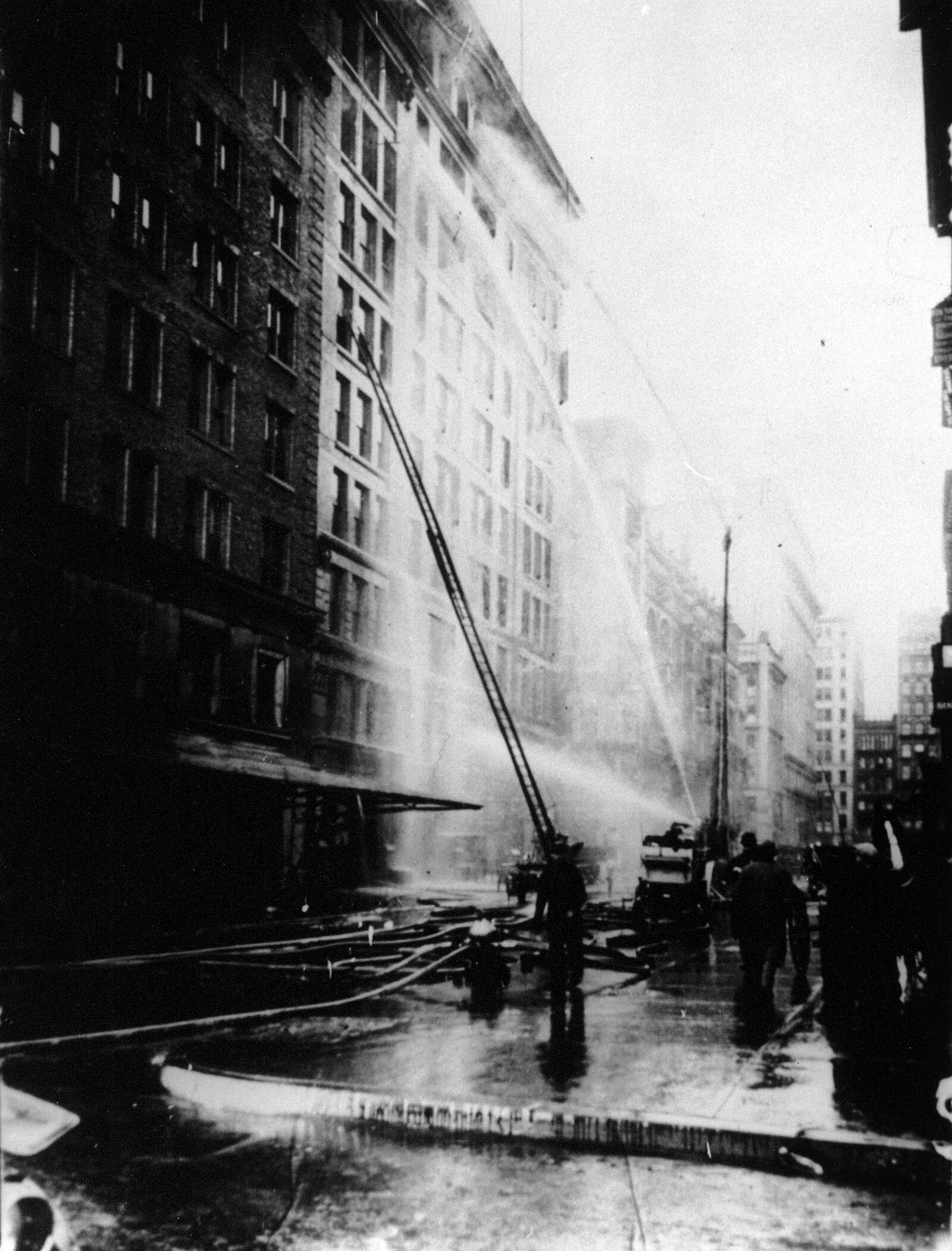
By the time workers on the ninth floor realized the danger, their primary escape routes were cut off. One stairwell was filled with smoke and flames, while the other exit door had been locked by management. The single, flimsy fire escape quickly became overwhelmed and collapsed, sending dozens to their deaths. With no other way out, many workers leaped from the ninth-floor windows. The New York City Fire Department arrived promptly, but its ladders could not reach past the sixth floor. By 5:15 PM, the fire was largely under control, but 146 people were dead or dying.
The Texas City Disaster: April 16-17, 1947
The disaster began with a deceptively small event. Around 8:00 AM on April 16, crew members aboard the SS Grandcamp noticed smoke rising from the cargo hold. The ship was docked at the Port of Texas City and was being loaded with its cargo of ammonium nitrate fertilizer.
The captain’s initial decision to fight the fire without using water, fearing damage to the cargo, proved fatal. The order was given to batten down the hatches and pipe steam into the hold, a standard procedure for many ship fires. This action, however, only increased the heat and pressure around the volatile chemical. Spectators, unaware of the extreme danger, gathered at the docks to watch the smoking ship. The Texas City Volunteer Fire Department arrived and began fighting the blaze.
At 9:12 AM, the SS Grandcamp detonated. The explosion was one of the largest non-nuclear blasts in history. It created a massive shockwave that destroyed the port, obliterated the nearby Monsanto Chemical Company plant, and ignited fires throughout the industrial area. A 15-foot tidal wave inundated the surrounding area. The blast killed all 28 members of the fire department and hundreds of others instantly.
The disaster was not over. The initial explosion had set fire to another ship in the port, the SS High Flyer, which was also carrying ammonium nitrate and sulfur. Rescue efforts were hampered by the widespread destruction and ongoing fires. For sixteen hours, the High Flyer burned until it, too, detonated at 1:10 AM on April 17, causing further destruction and loss of life.
The Deepwater Horizon Oil Spill: April 20-22, 2010
On the evening of April 20, 2010, the crew of the Deepwater Horizon, a semi-submersible offshore drilling rig, was finishing operations to temporarily abandon the Macondo well. The rig was located 41 miles off the coast of Louisiana.
At approximately 9:45 PM Central Time, a series of pressure anomalies and kicks—uncontrolled flows of gas and fluids from the well—indicated a critical failure in well integrity. The rig’s internal systems and emergency alarms were activated. Despite attempts by the crew to control the well, a massive surge of methane gas shot up the drill column, bypassed safety systems, and ignited on the rig floor.
A series of powerful explosions engulfed the platform in flames. Of the 126 crew members on board, 115 were evacuated by lifeboats and helicopters dispatched by the U.S. Coast Guard. Eleven workers were never found and are presumed to have died in the initial blasts. The rig burned intensely for the next 36 hours. On the morning of April 22, the severely damaged Deepwater Horizon rig sank beneath the waves, leaving the wellhead on the ocean floor gushing crude oil into the Gulf of Mexico. This marked the beginning of an 87-day environmental crisis.