Infrastructure & Environmental Effects
When a town is abandoned, its physical and natural environments enter a state of profound transformation. The built infrastructure begins a slow process of decay, while the environmental hazard that caused the abandonment continues to shape the ecosystem for decades or even centuries.
The immediate effect on infrastructure is cessation of maintenance. Roads crack and are overgrown, buildings succumb to weather and gravity, and utility systems fail. In Pripyat, trees grow through the floors of empty apartments, and the city’s iconic Ferris wheel stands as a silent, rusting monument. In Picher, the remaining structures were demolished to prevent them from becoming dangerous shelters, leaving behind a scarred landscape of concrete slabs and toxic gravel. This process of decay creates significant physical hazards for anyone entering these abandoned places, a key concern for authorities managing access.
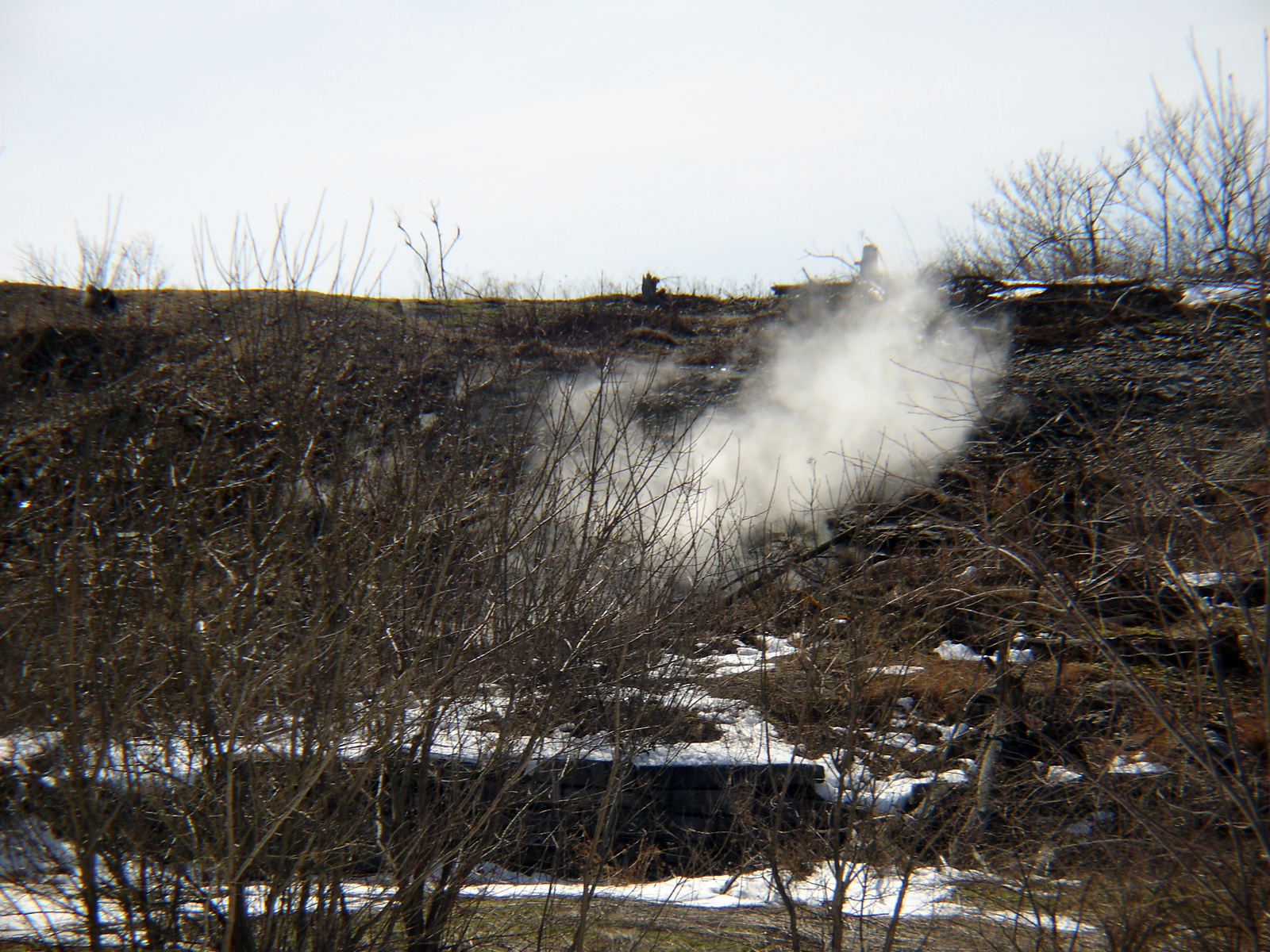
The environmental effects are far more complex and enduring. These sites often become zones of concentrated contamination. In Centralia, the underground fire continues to release greenhouse gases and toxic fumes. The ground remains hot to the touch in places, and the landscape is warped by subsidence. In the ghost towns of the Salton Sea, the receding shoreline exposes playa, or dry lakebed, which is laden with salt and agricultural chemicals. When wind sweeps across the playa, it creates toxic dust storms that pose a severe respiratory health risk to the surrounding regions.
Remediation is a monumental task. The EPA’s Superfund program is the primary mechanism in the United States for cleaning up the nation’s most hazardous waste sites, a list that includes Picher, Gilman, and the former site of Times Beach. Remediation can involve a variety of techniques. At Picher, the cleanup involved moving and capping millions of tons of chat and replacing contaminated soil in thousands of residential yards. At Times Beach, the solution was high-temperature incineration to destroy the dioxin. In the case of nuclear disasters like Chernobyl, remediation focuses on containment—such as the massive New Safe Confinement structure built over the damaged reactor—and the long-term, natural decay of radioactive isotopes. These efforts can cost billions of dollars and take many decades, and in some cases, the contamination is so severe that the land can never be fully restored for human use. Environmental data via the EPA provides critical public information on the status of these complex projects.