FAQs
What caused the Dust Bowl?
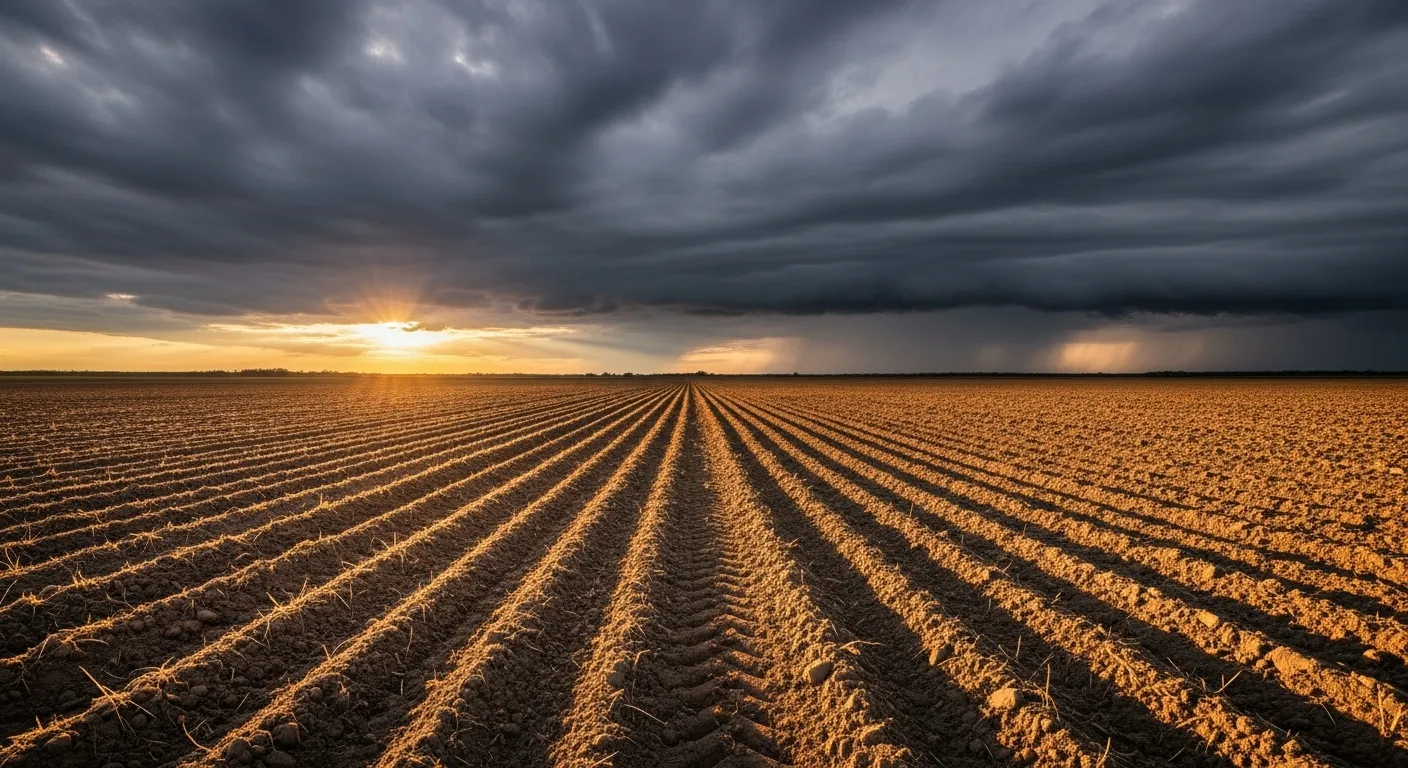
The Dust Bowl was caused by a combination of factors. A severe, multi-year drought created the initial environmental stress. This was compounded by decades of intensive farming on the Great Plains, where native, drought-resistant grasses were plowed under. This left the topsoil exposed and vulnerable to the region’s strong winds, which then blew the soil away in massive dust storms.
What was a “black blizzard”?
A “black blizzard” was a term used to describe the most severe dust storms of the Dust Bowl era. These were towering clouds of dust and topsoil that could be miles wide and thousands of feet high. They moved across the landscape like a solid wall, blotting out the sun and reducing visibility to zero, even in the middle of the day. The fine dust was inescapable and posed a serious health threat.
Did everyone leave the Dust Bowl region?
No, not everyone left. While approximately 2.5 million people migrated out of the affected states, the majority of the population stayed. These residents endured the decade of hardship through incredible resilience and determination. Many adapted their farming practices, relied on government aid, and worked to hold their communities together until the rains returned.
How did the Dust Bowl end?
The Dust Bowl effectively ended in the fall of 1939 when a long-term weather pattern shifted and regular rainfall returned to the Great Plains. This natural relief, combined with the widespread adoption of new soil conservation techniques promoted by the federal government, allowed the land to begin healing. The grasses grew back, and the dust storms subsided.
What were the main health problems during the Dust Bowl?
The primary health problem was a respiratory condition called “dust pneumonia.” Constant inhalation of fine dust particles caused severe lung irritation, coughing fits, asthma, and bronchitis. The dust also contaminated food and water, leading to digestive issues and malnutrition, which were worsened by the general poverty of the Great Depression.
What are the lasting lessons from the Dust Bowl?
The main lesson from the Dust Bowl is the critical importance of sustainable agriculture and environmental stewardship. It demonstrated that human activities can severely degrade an ecosystem, especially when combined with natural climate cycles like drought. The disaster led to the creation of federal conservation programs and a new understanding that long-term ecological health is essential for economic stability.
This article is for informational purposes only and is not a substitute for professional emergency guidance. Conditions, official guidance, and policies are subject to change; always verify information with official agencies like FEMA, the NWS, and your local authorities.