Timeline: A Composite of a Critical Incident
While every in-flight emergency is unique, they generally follow a structured progression. This timeline is a composite, reflecting the standard procedures and phases of response that a flight crew follows, guided by extensive training and checklists. The process is designed to be methodical, even under extreme pressure.
The Initial Anomaly: Recognition and Verification
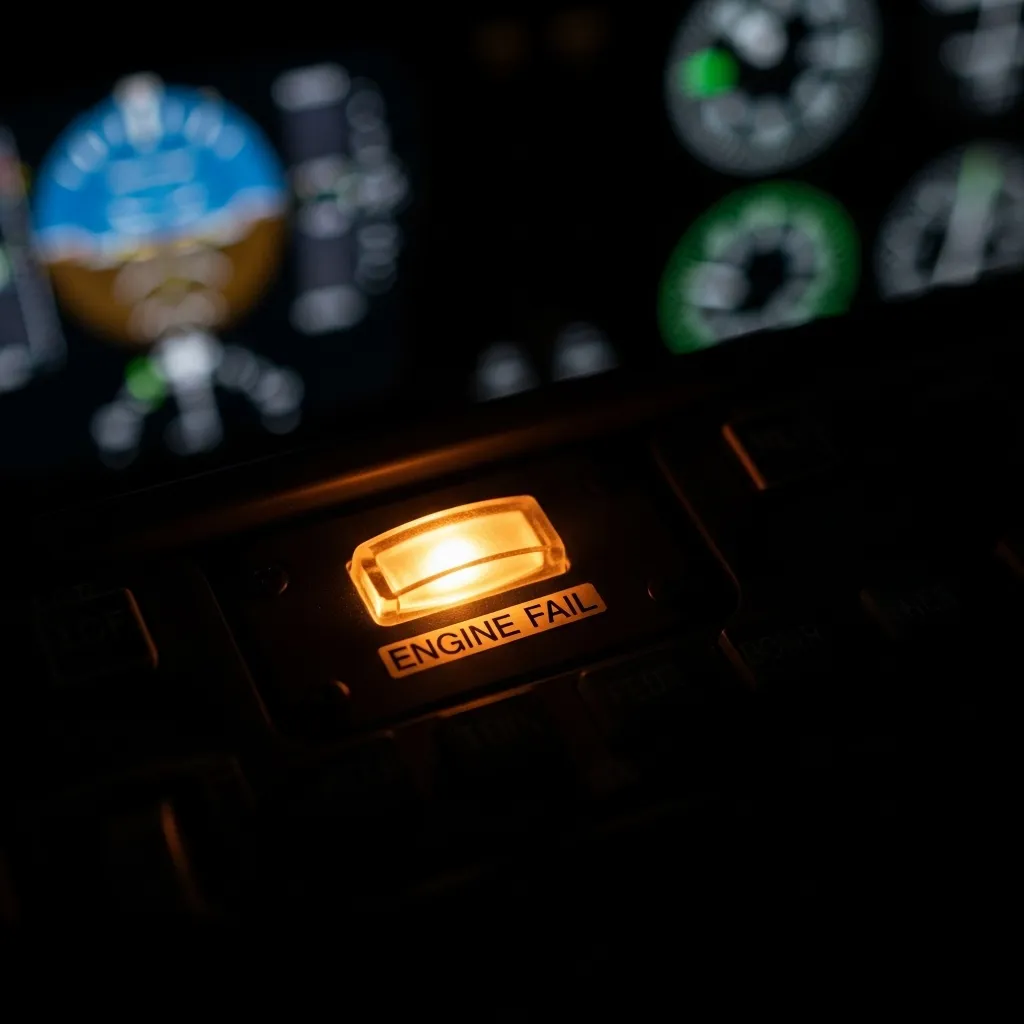
The first indication of a problem is rarely a dramatic explosion. It is more often a subtle cue: an unusual vibration, a strange smell, or, most commonly, an amber or red warning light on the flight deck display. The first step is for the non-flying pilot (often called the “pilot monitoring”) to verify the indication. Is it a real failure or a sensor error? The crew will cross-check instruments and system pages to confirm the nature and scope of the problem. This initial phase is critical for establishing a correct diagnosis.
The Response: Aviate, Navigate, Communicate
Pilots are trained to follow a strict hierarchy of priorities: first, fly the airplane (“Aviate”). This means ensuring the aircraft remains in a stable, controlled state. No matter what else is happening, maintaining positive control is paramount. Second, they determine where they are and where they need to go (“Navigate”). This involves assessing their position relative to suitable diversion airports, considering factors like weather, runway length, and emergency services availability.
Only after these first two priorities are managed do they focus on the third: “Communicate.” This involves informing Air Traffic Control (ATC) of their situation. For a serious problem, they will declare an emergency. A “Pan-Pan” call signals an urgent situation that does not pose an immediate threat to life, while a “Mayday” call signifies a state of grave and imminent danger. This declaration gives the flight priority handling from ATC, clearing airspace and providing direct routing to a chosen airport.
The Checklist: Procedure and Teamwork
Once the aircraft is stabilized, the crew turns to the Quick Reference Handbook (QRH) or its electronic equivalent. This contains specific, step-by-step checklists for virtually every conceivable non-normal situation, from an engine fire to a cabin depressurization. One pilot will fly the aircraft while the other reads the checklist aloud, with both pilots confirming each step. This structured process, a cornerstone of Crew Resource Management (CRM), ensures that actions are deliberate and nothing is missed in the high-stress environment. CRM is a set of training procedures that emphasizes teamwork, communication, and decision-making to mitigate human error.
The Approach and Landing: Preparing for the End Game
As they approach their diversion airport, the pilots are in constant communication with ATC and their airline’s operations center. They will brief the cabin crew on the situation, who in turn will prepare the passengers and the cabin for a potential emergency landing or evacuation. The pilots will conduct a detailed approach briefing, reviewing the planned landing configuration, runway, and post-landing procedures. Their goal is a stable, controlled approach that ends with the aircraft safely on the ground.
Post-Incident: Securing and Reporting
After landing, the pilots will bring the aircraft to a stop, often met by airport rescue and firefighting vehicles as a precaution. They will run post-landing checklists to secure the aircraft’s systems. Once passengers and crew are safe, the formal investigation process begins. The pilots will be required to submit detailed reports to their company and regulatory bodies like the Federal Aviation Administration (FAA). If the event is significant, it will be investigated by an independent agency like the National Transportation Safety Board (NTSB) to determine the root cause.