Human Impact & Response
The human toll of these catastrophic events is staggering, but so too is the story of survival, response, and resilience. The immediate aftermath is often characterized by chaos and immense loss, followed by organized, and sometimes transformative, recovery efforts.
In Pompeii and Herculaneum, the loss of life was near-total for those who did not evacuate immediately. It is estimated that thousands perished, their final moments preserved by the hardening volcanic ash. The response at the time is poorly documented, but the disaster was so complete that the cities were abandoned and their names and locations eventually forgotten. The true human story of Vesuvius only emerged centuries later through archaeology, revealing details of everyday Roman life frozen in an instant.
The 1755 Lisbon earthquake may have claimed between 30,000 and 60,000 lives in Lisbon alone, with thousands more in Portugal, Spain, and Morocco. The immediate response was led by the king’s prime minister, the Marquis of Pombal. He acted with remarkable speed and authority, famously declaring the need to “bury the dead and heal the living.” He organized military patrols to prevent looting, set up field hospitals, and established a system for distributing food. His pragmatic, secular approach to disaster management, focusing on practical solutions rather than religious penance, was revolutionary for its time and marked a turning point in governance.
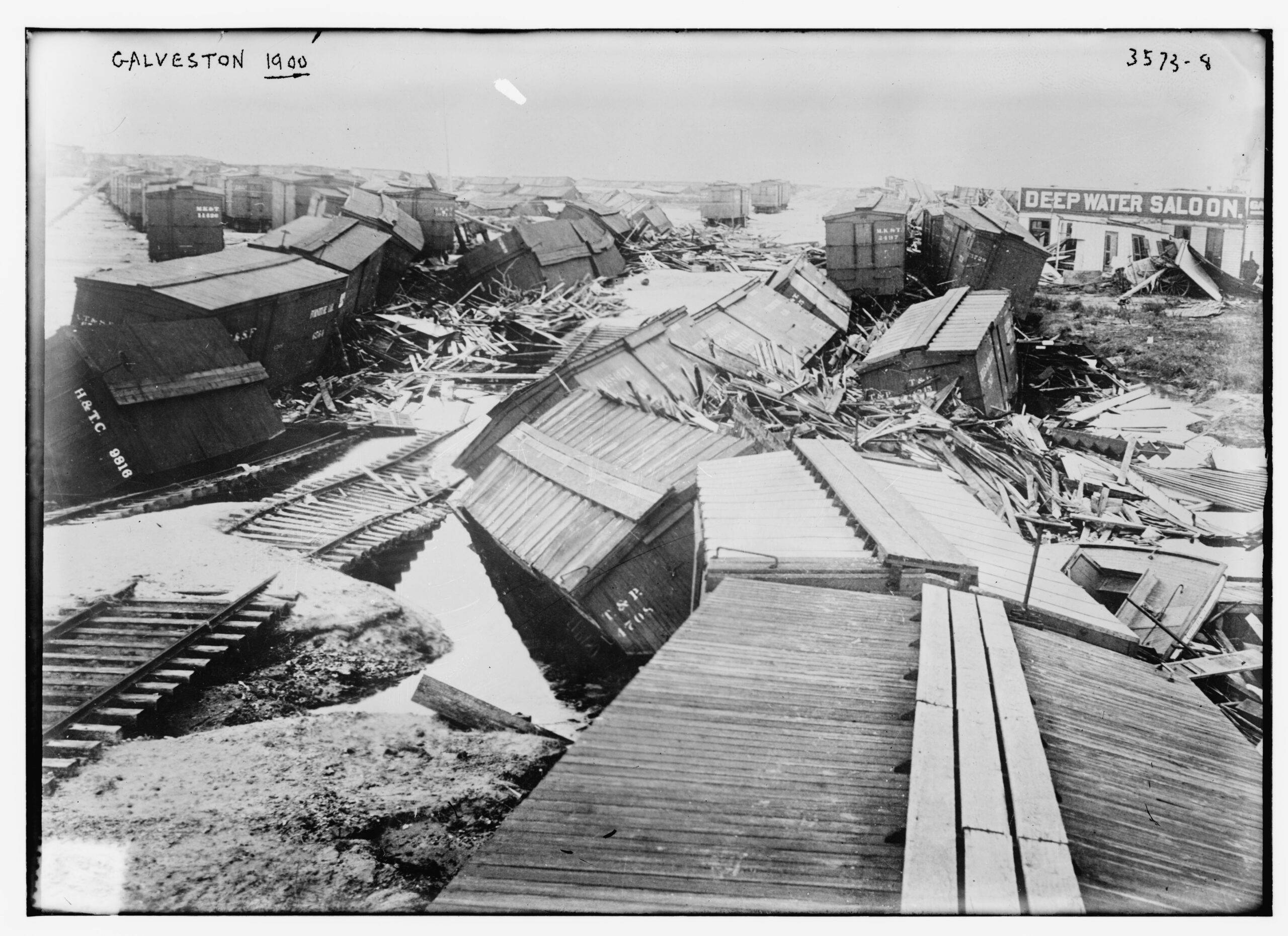
The Galveston Hurricane of 1900 remains the deadliest natural disaster in United States history. Estimates of the death toll range from 6,000 to 12,000 people on an island with a population of about 38,000. In the immediate aftermath, the survivors were faced with a horrific landscape of debris and death. The city was under martial law, and recovery was a monumental task. The community response was one of grim determination. Citizens formed committees to search for survivors, dispose of the dead, and distribute aid. The scale of the tragedy galvanized the community to rebuild, but with a radical new approach to safety and governance.
The global impact of the 1815 Tambora eruption was less immediate but more widespread. The “Year Without a Summer” led to failed harvests across Europe, North America, and parts of Asia. Food shortages caused prices to soar, leading to famine, riots, and epidemics like typhus. This period of climate-driven hardship spurred waves of migration, as families left places like New England in the United States in search of more fertile land to the west. The human impact was one of slow, grinding suffering rather than sudden destruction.
The 2004 Indian Ocean Tsunami was devastating in its scope, causing an estimated 230,000 deaths across 14 countries. Entire communities were wiped from the map. The disaster triggered one of the largest humanitarian responses in history. Governments, non-governmental organizations like the Red Cross and Red Crescent, and individuals from around the world mobilized to provide aid. Emergency teams delivered food, clean water, medical supplies, and temporary shelter. Public health was a major concern, and agencies like the WHO and CDC worked to prevent outbreaks of waterborne diseases. The response highlighted both the incredible capacity for global solidarity and the immense challenges of coordinating relief efforts across such a vast and diverse region. Community preparedness was shown to be key; in a few communities with local knowledge of tsunami signs, such as a receding sea, lives were saved when elders urged people to run for high ground.
Emergency guidance at the FEMA and hazard science at the USGS and NOAA/NWS.