FAQs
What is the most delayed airport in the US?
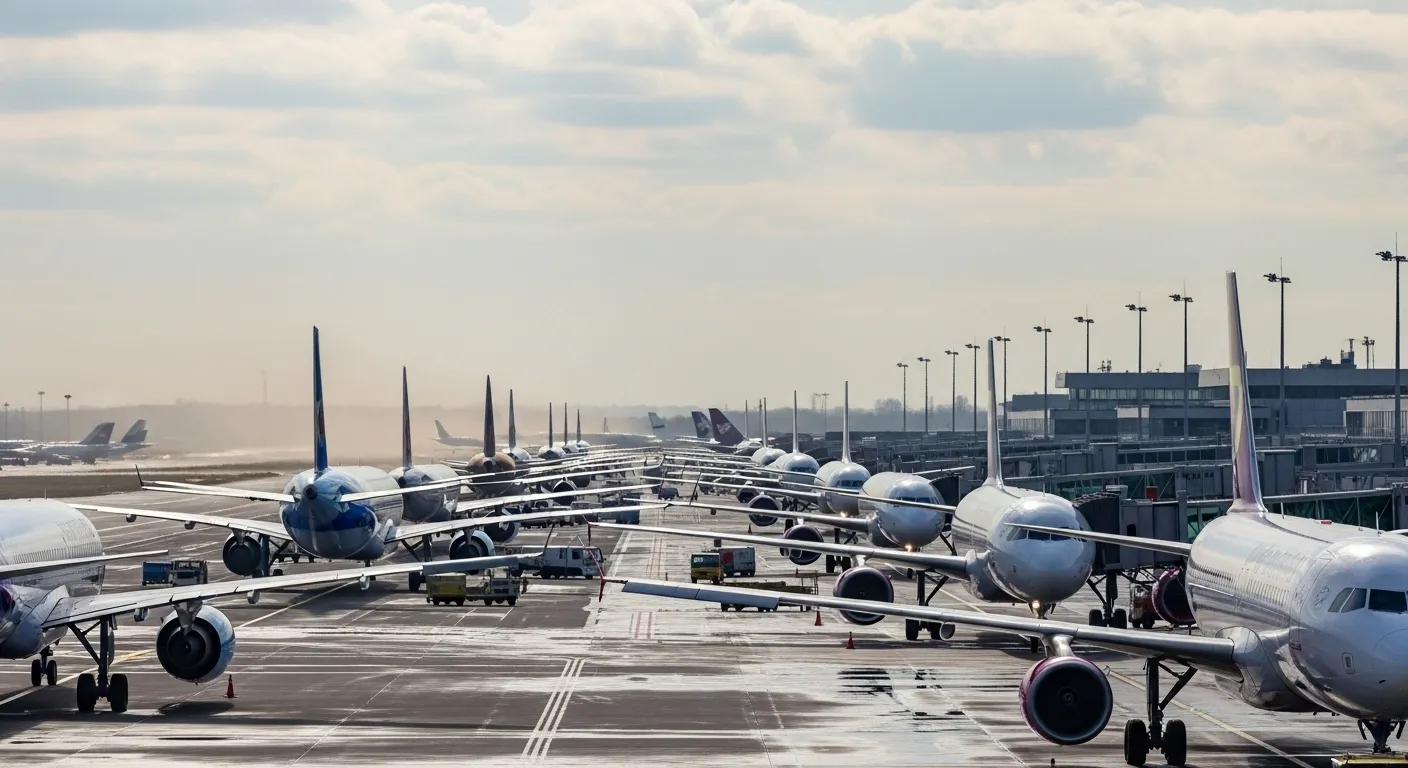
Based on recent data from the Department of Transportation, Fort Lauderdale-Hollywood International Airport (FLL) and Newark Liberty International Airport (EWR) consistently rank as the most delayed airports. This is due to a combination of frequent severe weather, high traffic volume exceeding infrastructure capacity, and airspace congestion.
Why is Newark airport so bad for delays?
Newark’s poor performance stems from multiple factors. It is located in the nation’s most congested airspace, shares air traffic control resources with JFK and LaGuardia, and operates near its maximum capacity. It is also a major hub for United Airlines, concentrating immense traffic, and its aging infrastructure is highly susceptible to disruptions from both winter and summer weather.
What are the main causes of flight cancellations and delays?
The three primary causes are adverse weather, national airspace system issues (like air traffic control volume), and airline-specific operational problems (such as maintenance or crew issues). Weather is the single largest factor, but all three are interconnected and a problem in one area often triggers a cascade of delays elsewhere.
How can I reduce my chances of experiencing a travel woe like a long delay?
While delays are sometimes unavoidable, you can minimize your risk. Booking the first flight of the morning is often recommended, as these flights are less likely to be affected by cascading delays from earlier in the day. Choosing non-stop flights, flying out of less congested secondary airports, and avoiding travel during peak holiday periods or seasons with predictable bad weather can also help.
What are my rights if my flight is canceled?
In the United States, if an airline cancels your flight, you are legally entitled to a full cash refund for the unused portion of your ticket, even if you bought a non-refundable fare. For delays, your rights to compensation like meals or hotel rooms depend on the airline’s individual policy and the reason for the disruption, which you can check on the U.S. Department of Transportation’s airline customer service dashboard.
Emergency guidance at the FEMA and hazard science at the USGS and NOAA/NWS.
Public health information at the CDC and the WHO. Environmental data via the EPA.
Transport and workplace investigations via the NTSB and OSHA. Risk reduction resources at the UNDRR.