Human Impact & Response
While the survivors’ individual stories are compelling, they occurred within the context of much larger disasters with widespread human impacts. The official response to these events highlights the challenges of search, rescue, and recovery in extreme environments.
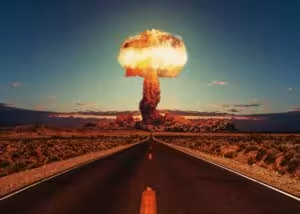
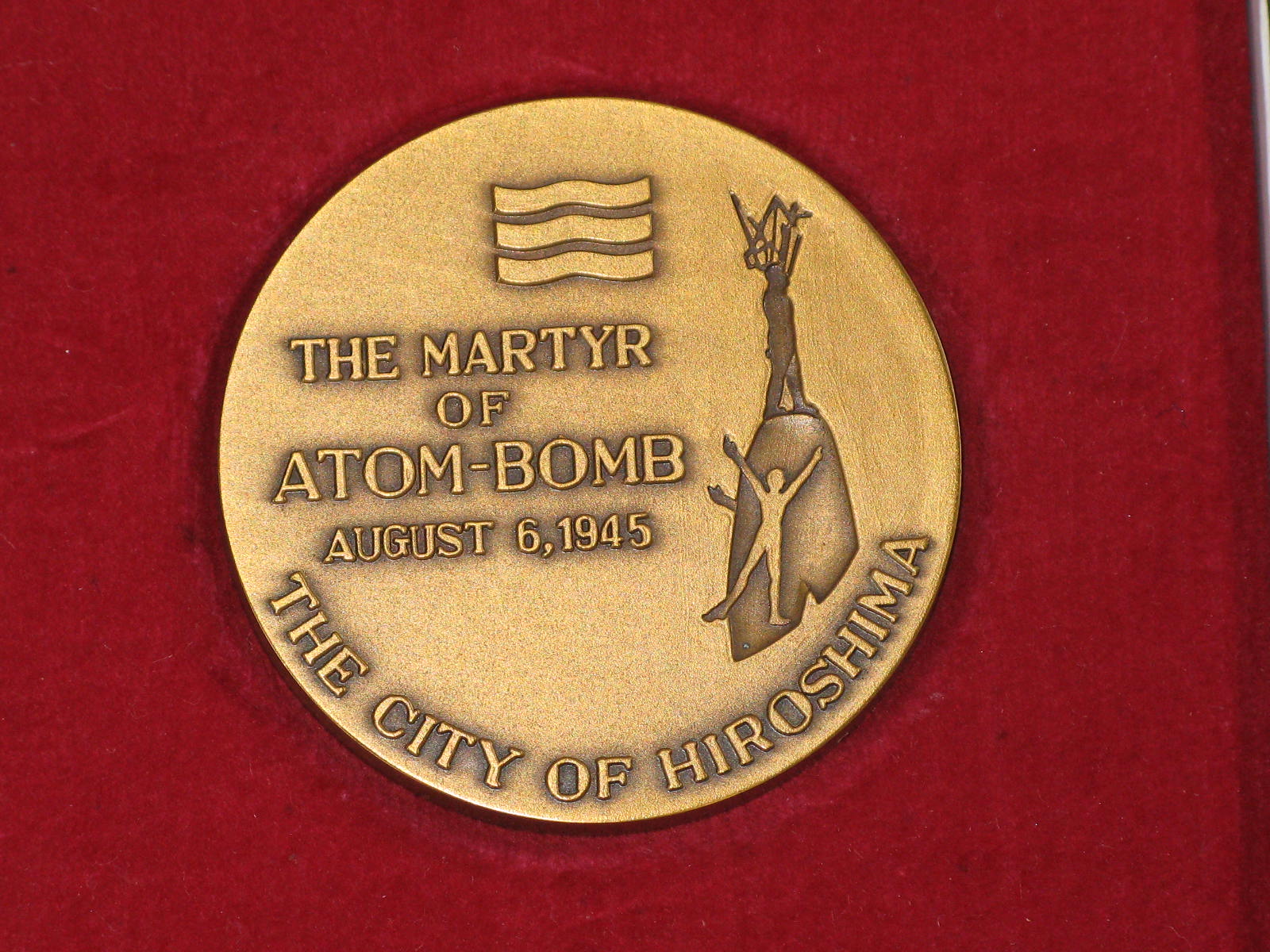
In Hiroshima and Nagasaki, the human impact was catastrophic. The two bombings are estimated to have killed between 129,000 and 226,000 people, the vast majority of whom were civilians. The immediate response was almost nonexistent, as municipal services, hospitals, and emergency personnel were themselves victims of the blasts. Survivors like Tsutomu Yamaguchi were left to fend for themselves amid unimaginable destruction. In the long term, survivors (known as hibakusha) faced severe health consequences from radiation exposure, including increased cancer rates and other chronic illnesses, as well as social stigma. The global humanitarian response shaped post-war policy and the establishment of international bodies focused on nuclear regulation.
The crash of LANSA Flight 508 resulted in the deaths of 91 people; Juliane Koepcke was the sole survivor. Search and rescue operations were launched, but the dense Amazon rainforest made locating the wreckage exceptionally difficult. It was nearly two weeks before the crash site was found. Koepcke’s ability to self-rescue was a critical factor in her survival, as the likelihood of rescuers finding a single individual in such a vast and remote wilderness was extremely low. The accident investigation was handled by the Peruvian government’s aviation authority.
Similarly, JAT Flight 367 had 28 passengers and crew on board. Vesna Vulović was the only one to survive the aircraft’s breakup. Because the event was attributed to a bomb, it became a criminal investigation led by Czechoslovak authorities, with assistance from Yugoslavian officials. The immediate response was from local villagers, demonstrating the vital role of the “zero responder”—the citizen on the scene before professional help arrives. Public health information for dealing with mass casualty events is provided by agencies like the CDC and the WHO.
Roy Sullivan’s case did not involve a mass casualty event, but it had a profound personal impact. Each lightning strike required medical attention and left him with physical and emotional scars. His experience serves as a case study in the long-term psychological toll of repeated trauma. His story has been used by organizations like the National Weather Service, part of the NOAA/NWS, for public education campaigns on lightning safety.
Aron Ralston’s entrapment triggered a search and rescue operation, but only after he was reported missing by his family and employer. The response was complicated because no one knew his exact location. His self-rescue was the determining factor. The operation shifted from search to medical evacuation once he was found. This incident is a classic example used in wilderness safety training to emphasize the importance of filing a trip plan and carrying reliable communication devices.