Overview
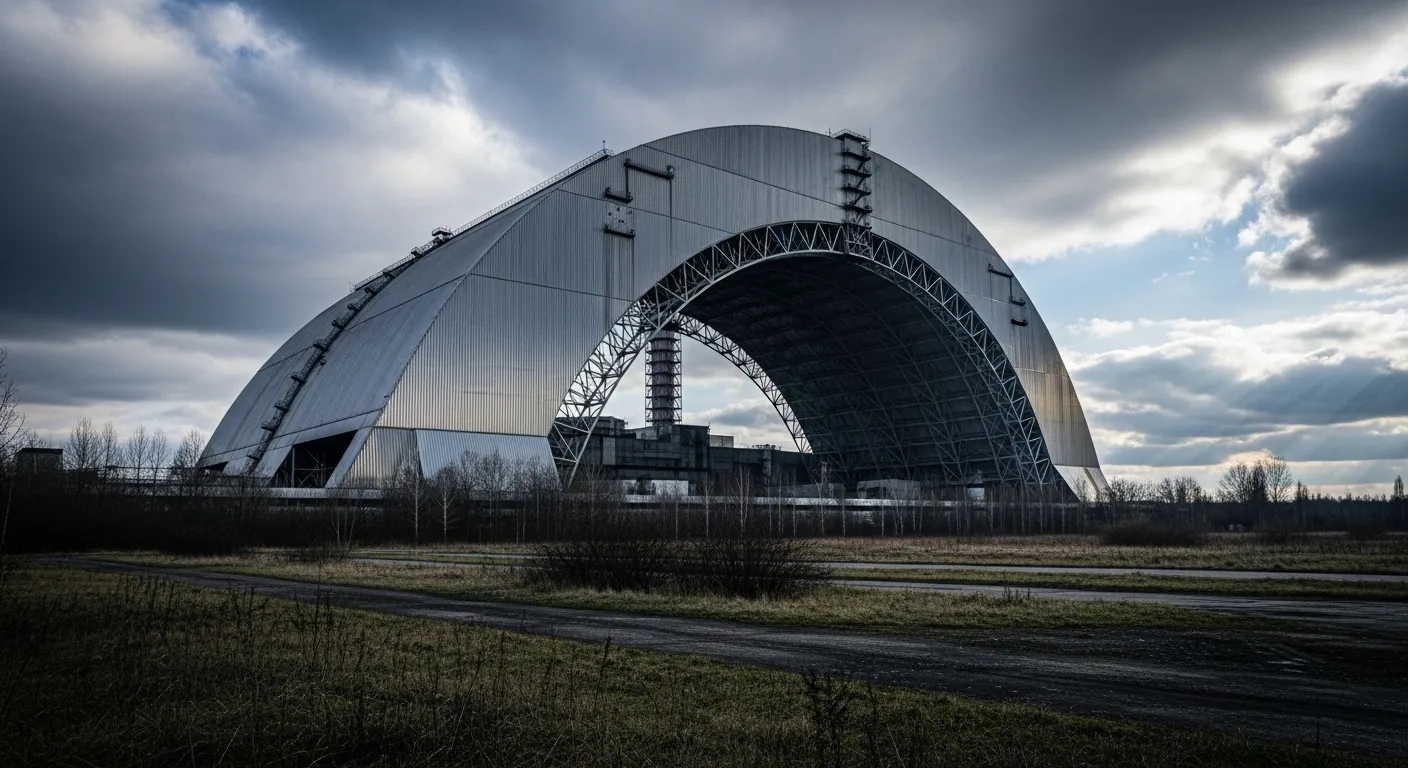
On April 26, 1986, a catastrophic explosion and fire at the Chernobyl Nuclear Power Plant in Soviet Ukraine released a plume of radioactive material across Europe. It was the worst nuclear disaster in history, forcing the evacuation of hundreds of thousands of people and creating a vast, contaminated landscape. This event established the Chernobyl Exclusion Zone, an area of approximately 2,600 square kilometers (1,000 square miles) deemed too hazardous for permanent human settlement. Today, decades later, the Zone remains a place of profound contradictions.
This article explores the enduring legacy of the Chernobyl disaster by examining what the Exclusion Zone is like now. It delves into the environmental aftermath, the ongoing efforts to secure the site, and the surprising transformation of this human-made wasteland into an accidental wildlife sanctuary. The story of Chernobyl today is not just about decay and radiation; it is a powerful lesson in nature’s resilience, the long-term consequences of technological failure, and the monumental human effort required to manage such a catastrophe. Despite persistent radiological hazards, the Zone offers a unique, if unsettling, glimpse into a world without people.