Infrastructure & Environmental Effects
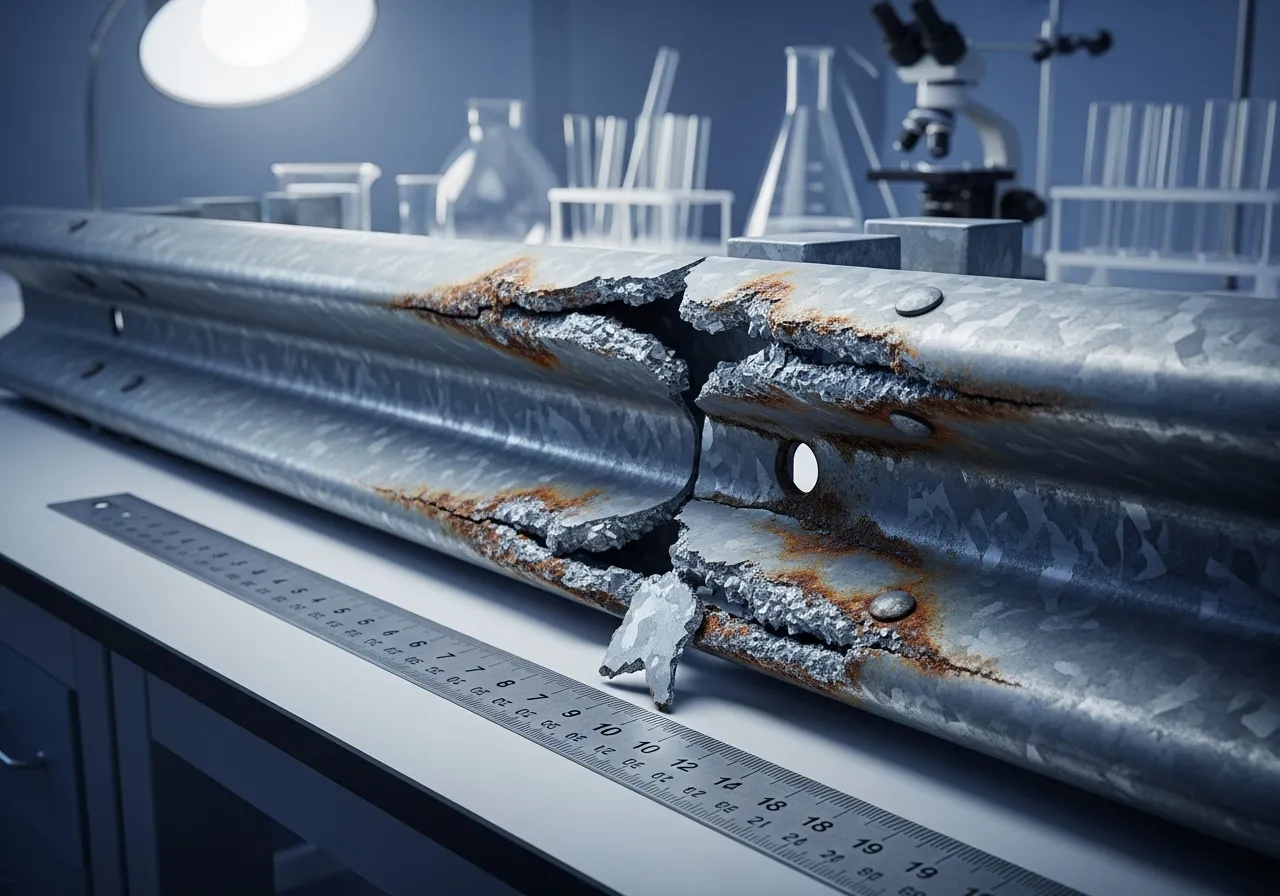
Beyond the immediate human toll, crashes on major highways have significant impacts on infrastructure and the environment. A severe incident can cause direct damage to the roadway itself, including the pavement, guardrails, median barriers, and bridge structures. Fires resulting from a crash can weaken steel and concrete, requiring extensive and costly repairs. These repairs, in turn, necessitate lane closures that can last for days or weeks, causing massive economic disruption through traffic delays.
The primary infrastructural effect of most incidents is the blockage of a critical transportation artery. A complete closure of a major interstate like I-95 can create gridlock for dozens of miles in every direction, delaying commuters, stranding travelers, and, critically, halting the movement of commercial goods. The economic cost of these delays is measured in lost productivity, wasted fuel, and spoiled perishable goods. For an economy reliant on just-in-time logistics, the reliability of the highway system is paramount. Chronic incidents on dangerous roads introduce a significant element of unreliability into the supply chain.
Environmental consequences are also a serious concern, particularly in crashes involving commercial trucks. Many trucks carry hazardous materials, from flammable gasoline to corrosive chemicals. A breach of a tanker truck can result in a major spill that contaminates soil and groundwater, requiring a complex and expensive cleanup operation led by agencies like the EPA. Even non-hazardous spills of diesel fuel and other vehicle fluids from a standard crash can pollute nearby waterways. The response to such an event requires specialized hazmat teams to contain the spill and mitigate its environmental damage.
Long-term recovery and remediation involve not only repairing the physical infrastructure but also addressing the underlying safety deficiencies. After a high-profile crash, transportation departments may accelerate planned safety improvement projects, such as installing new barriers, improving signage, or reconfiguring a dangerous interchange. This reactive approach, however, highlights the need for proactive investment in making these corridors safer before a tragedy occurs.