Timeline
The chronology of physiological failure varies wildly depending on the specific extreme environment. Some catastrophic events kill in milliseconds, while others initiate a slow, agonizing cascade of biological collapse that spans several weeks. Tracking the timeline of these mechanisms provides emergency responders with a crucial window for intervention, assuming rescue operations can launch in time.
In cases of explosive decompression, the timeline compresses into fractions of a second. During the infamous Byford Dolphin diving bell accident in 1983, a sudden seal failure dropped the internal pressure from nine atmospheres to one atmosphere instantly. The four divers inside the chamber experienced total systemic destruction in less than a millisecond. The rapid expansion of gases caused instantaneous gross dismemberment and fatal internal ruptures. In such ultra-fast events, the central nervous system fails before the brain can even process pain signals, terminating the biological timeline before any medical response can activate.
Conversely, acute radiation syndrome unfolds over a prolonged and predictable timeline, assuming the initial dose does not instantly destroy the central nervous system. The chronology begins with the prodromal stage, occurring within minutes to hours of exposure. You would experience severe nausea, vomiting, and debilitating headaches as your body reacts to widespread cellular toxicity. Following this initial illness, patients frequently enter a latent stage. For a few days to a couple of weeks, the symptoms recede entirely. The victim appears to recover, but this phase hides massive internal damage. During the latent period, your bone marrow cells are dying, and your white blood cell count plummets toward zero. Finally, the manifest illness stage strikes. Without an immune system, normal bacteria residing in the human gut cross into the bloodstream, triggering overwhelming sepsis. Internal bleeding accelerates due to a lack of platelets, culminating in multi-organ failure and death over several painful weeks.
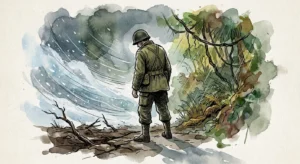
The timeline of severe hypothermia demonstrates a steady, insidious disruption of homeostasis. When exposed to freezing water or extreme winter environments, the human body immediately prioritizes the core over the extremities. In the first few minutes, severe vasoconstriction restricts blood flow to your arms and legs to preserve heat for your heart and brain. Over the next few hours, intense, uncontrollable shivering begins as your muscles attempt to generate kinetic heat. Once your body depletes its stored glycogen, the shivering stops. As your core temperature drops below 30 degrees Celsius (86 degrees Fahrenheit), enzymatic reactions slow dramatically. Altered mental status sets in, frequently leading to paradoxical undressing—a documented phenomenon where freezing individuals suddenly feel excessively hot and strip off their protective clothing. In the terminal stage, individuals engage in terminal burrowing behavior, a primitive brain stem response where victims hide in small, enclosed spaces before their heart falls into a fatal arrhythmia and stops entirely.