
Human Impact & Response
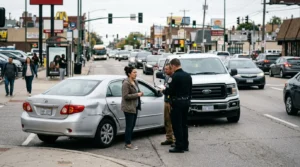
When you examine the devastation caused by collisions involving uninsured motorists, it is vital to distinguish between primary and secondary impacts. The primary impacts encompass the immediate, visceral trauma of the event: the physical injuries you sustain, the structural destruction of your vehicle, and the immediate deployment of police, fire, and emergency medical personnel to the scene. The secondary impacts, however, represent the enduring, chronic disaster of financial ruin and systemic strain that unfolds in the months and years following the initial crash. For the individual victim, an accident with an uninsured driver often precipitates a catastrophic financial emergency.
If you lack sufficient uninsured motorist coverage and suffer severe injuries in a crash caused by an uninsured individual, the financial burden falls entirely on your shoulders. You must navigate a labyrinth of primary health insurance deductibles, copayments, and out-of-network billing surprises. For families without robust health coverage, a single severe collision can result in hundreds of thousands of dollars in medical debt. This debt frequently leads to wage garnishment, foreclosure, and personal bankruptcy. The stress of attempting to physically recover from traumatic injuries while simultaneously fighting off aggressive collection agencies takes a severe toll on the mental health and stability of the victim’s entire household.
Beyond the personal tragedy, uninsured drivers place a massive, uncompensated burden on the broader healthcare system. When a trauma center treats an accident victim who has neither auto insurance nor health insurance, the hospital absorbs the expense as uncompensated care. To maintain their operating budgets and keep their emergency rooms open, healthcare networks must offset these losses by raising the cost of medical services for everyone else. Consequently, the rates you pay for your health insurance premiums also increase. The financial irresponsibility of uninsured drivers creates a web of economic consequences that touches every aspect of community health funding.
Emergency management and humanitarian operations also feel the strain. Local municipal budgets fund the police officers who spend hours investigating crashes and the firefighters who use expensive extrication equipment to rescue trapped motorists. When the at-fault driver has liability insurance, the municipality can sometimes seek reimbursement for damaged public property and emergency response costs through the insurer. When the driver is uninsured, the taxpayers foot the bill entirely. This drain on municipal resources diverts crucial funding away from other necessary public safety initiatives, community resilience programs, and disaster preparedness training.
The societal response to this ongoing human impact is a continuous struggle to balance compassion with accountability. Many states mandate that auto insurers offer uninsured motorist coverage, and some require consumers to sign a formal, written waiver if they choose to reject it, ensuring that you are fully aware of the risk you are assuming. Furthermore, legal aid organizations and consumer advocacy groups work tirelessly to help victims of uninsured drivers navigate the complex web of state assistance programs, disability benefits, and personal injury litigation. However, the harsh reality remains that until the underlying economic issues driving the uninsured rate are resolved, innocent motorists will continue to bear the brunt of the physical and financial trauma.