Human Impact & Response
When you examine the human cost of these ten historical hurricanes, the evolution of public health and emergency management becomes starkly apparent. The casualty figures across these events tell a story of shifting vulnerabilities. The 1900 Galveston Hurricane claimed an estimated 8,000 to 12,000 lives. In that era, the primary cause of death was acute trauma and drowning due to an absolute lack of warning and evacuation infrastructure. The response was localized and overwhelmed, requiring survivors to burn the dead on the beaches to prevent the outbreak of disease.
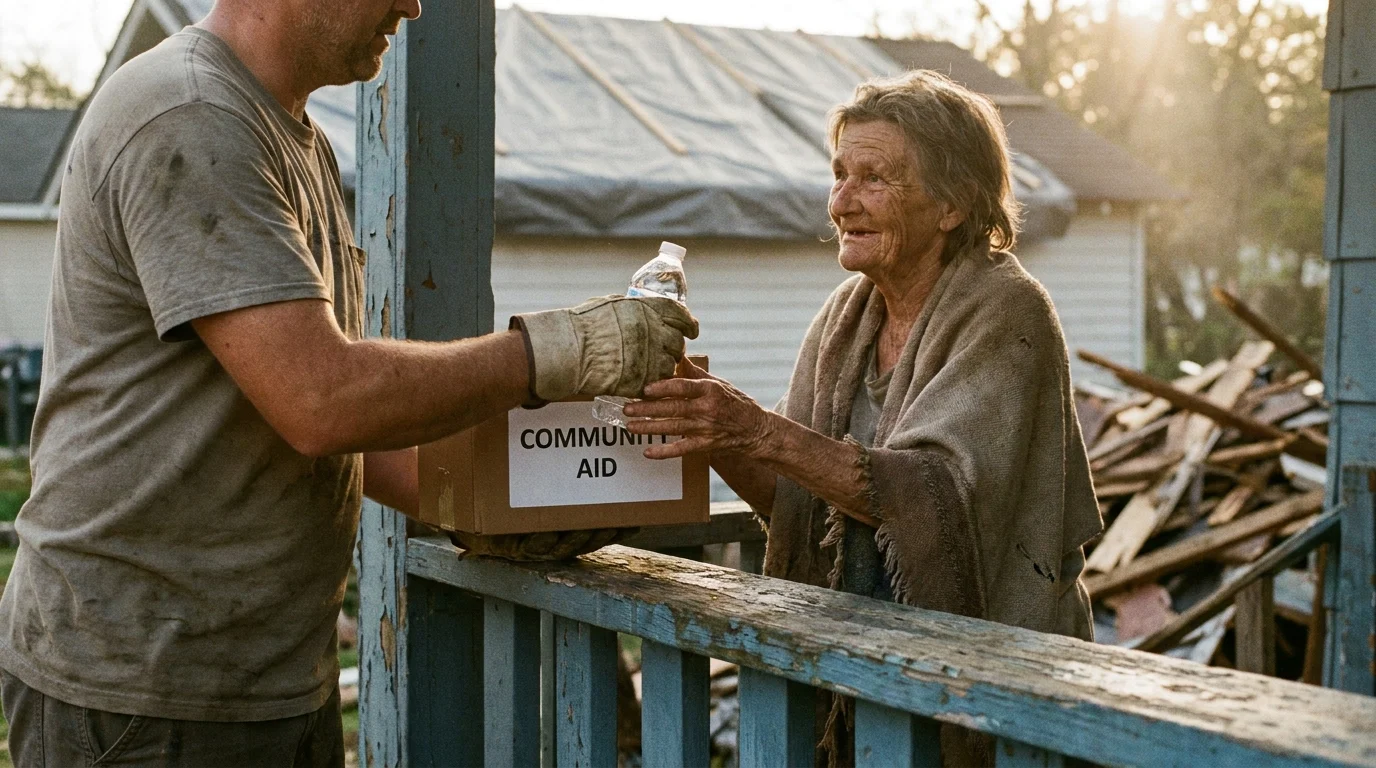
By the time Hurricane Katrina struck in 2005, the nature of the human impact had fundamentally changed. Katrina resulted in over 1,800 fatalities, but the demographic breakdown of these casualties forced a national reckoning. The victims were overwhelmingly elderly, impoverished, or mobility-impaired. The catastrophic conditions at the Louisiana Superdome and the Morial Convention Center exposed the reality that ordering an evacuation is useless if a significant portion of your population lacks the private transportation or physical capability to leave. Katrina’s response phase was heavily criticized for logistical bottlenecks, jurisdictional disputes between state and federal authorities, and a failure to address the immediate medical needs of stranded citizens.
Hurricane Maria in 2017 further redefined how we calculate the human toll of a disaster. The initial, primary fatalities directly attributed to wind and immediate flooding were relatively low. However, the secondary impacts proved catastrophic. Because the hurricane utterly destroyed Puerto Rico’s fragile electrical grid, hospitals lost power, dialysis clinics ceased operations, and vital medications could not be refrigerated. A rigorous public health study later concluded that the prolonged lack of infrastructure led to an estimated 2,975 excess deaths in the months following the storm. This disaster proved that modern populations are intimately dependent on continuous electrical and logistical support for survival.
The public health response has had to adapt to these shifting realities. Following Hurricane Sandy in 2012, medical responders faced massive challenges evacuating major hospitals in New York City when backup generators, unwisely located in basements, flooded and failed. Staff had to manually carry patients down dark stairwells, manually pumping oxygen into their lungs. This harrowing experience led to immediate mandates requiring critical healthcare facilities to elevate their emergency power systems above the 500-year floodplain.
Evacuation fatigue and warning complacency remain persistent threats to human safety. During Hurricane Ian in 2022, many coastal residents relied on early forecast cones that placed the highest risk further north. When the storm tracked slightly south and underwent rapid intensification, emergency managers in heavily populated coastal counties hesitated, issuing mandatory evacuation orders later than standard protocols advised. The resulting 150 fatalities—mostly from drowning in the surge—reiterated the brutal lesson that human survival depends on conservative, early action rather than waiting for absolute meteorological certainty.
Humanitarian operations have significantly professionalized across this timeline. After the chaotic, disorganized response to Hurricane Andrew in 1992, where residents infamously pleaded for military intervention, the integration of federal military assets into domestic disaster response became highly structured. Today, when a major hurricane threatens your region, search and rescue task forces, pre-positioned medical supplies, and organized volunteer networks are staged just outside the impact zone, ready to push in the moment the winds subside. Yet, despite these advancements, the human impact of natural disasters remains deeply tied to socioeconomic vulnerability and the resilience of local infrastructure.