Infrastructure & Environmental Effects
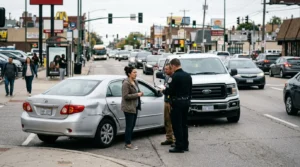
While auto accidents are primarily viewed as human tragedies, the high rate of uninsured drivers exerts a profound, corrosive effect on public infrastructure and the environment. Every state maintains vast networks of physical assets designed to keep you safe on the road, including concrete barriers, steel guardrails, traffic signals, and intricate lighting systems. When an insured driver loses control and destroys a section of highway guardrail, the state’s department of transportation files a claim against the driver’s property damage liability coverage to fund the repairs. When an uninsured driver causes the same destruction, no such funding exists. The municipality or state government must pull money from its general maintenance budget to replace the damaged infrastructure. Over time, these unrecouped losses amount to millions of dollars, leading to delayed maintenance schedules, deteriorating road conditions, and an increased risk of subsequent accidents for everyone else.
The legal infrastructure of a state also groans under the weight of uninsured motorists. The court systems are frequently bogged down with complex subrogation lawsuits and personal injury claims stemming from these collisions. Even though securing a judgment against an uninsured driver is often an exercise in futility, insurance companies and severely injured plaintiffs must still utilize the judicial system to formalize the debt or attempt to garnish future wages. This influx of litigation consumes valuable court time, delays hearings for other civil and criminal matters, and forces taxpayers to fund the administrative overhead of a clogged judicial apparatus.
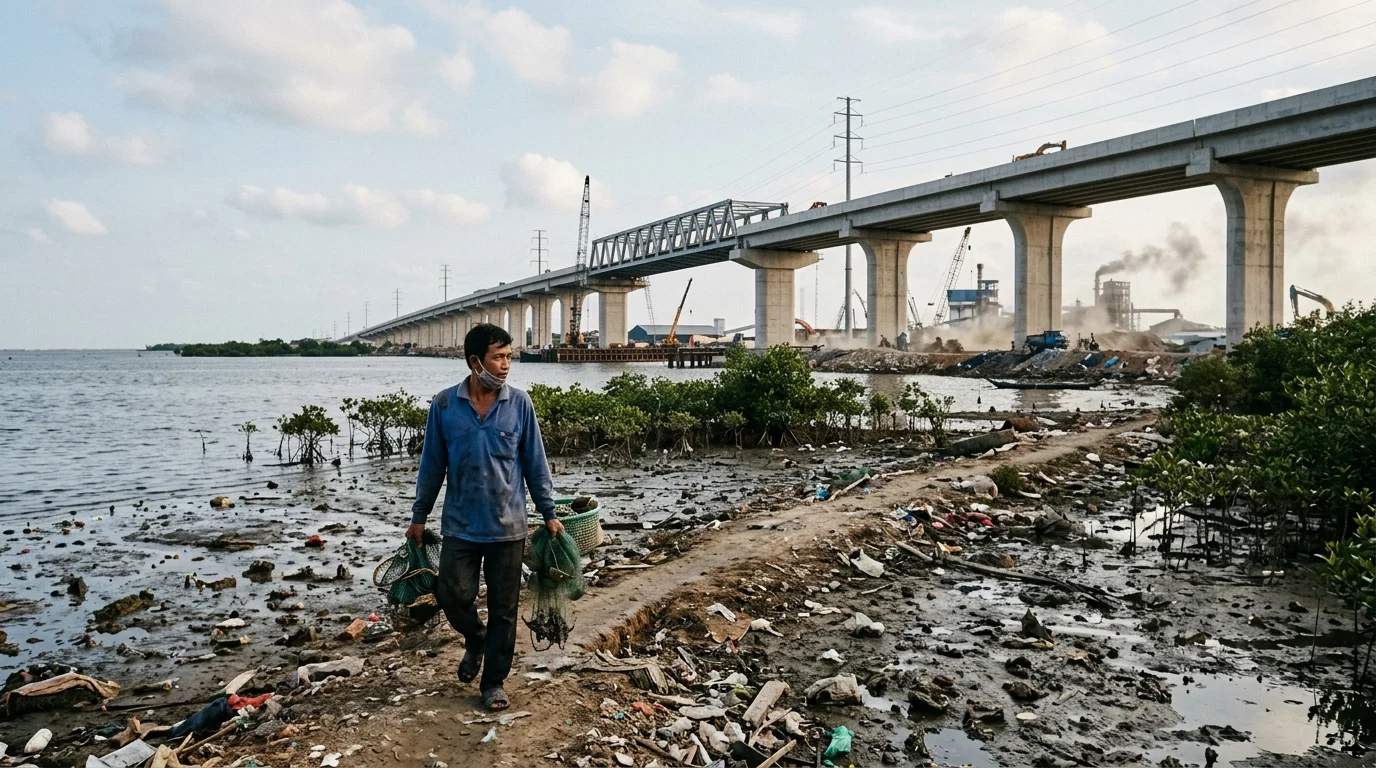
You must also consider the hidden environmental consequences connected to the uninsured driver crisis. Vehicles operated by individuals experiencing severe financial distress often suffer from deferred maintenance. When you cannot afford liability insurance, you are highly unlikely to afford routine mechanical repairs. These poorly maintained vehicles are prone to leaking hazardous fluids—such as synthetic motor oil, transmission fluid, and ethylene glycol coolant—directly onto the asphalt. Rainwater washes these toxic chemicals into municipal storm drains, which frequently empty into local rivers, streams, and coastal estuaries, degrading water quality and harming local ecosystems.
Furthermore, the environmental impact intersects dangerously with natural hazard events. Consider a scenario where a coastal community experiences a severe storm surge—the abnormal, highly destructive rise in seawater level generated by a hurricane or intense low-pressure system. When storm surge floods a neighborhood, it inevitably destroys thousands of parked vehicles. Insured residents file comprehensive claims, receive settlement checks, and purchase replacement vehicles, allowing them to return to work and participate in the local economic recovery. Uninsured residents, however, lose their primary mode of transportation completely, with no financial recourse. They cannot travel to their jobs, cannot purchase groceries, and often abandon their waterlogged, destroyed vehicles on the side of the road. These abandoned cars leak battery acid and fuel into the floodwaters, creating secondary environmental hazards, while the sudden loss of mobility paralyses the economic recovery of the most vulnerable neighborhoods.