Timeline of Tragic Losses
The timeline of these celebrity deaths reflects the evolving nature of the overdose crisis over decades. Each case provides a snapshot of the substances, medical practices, and societal conditions of its time. These are not just individual tragedies but markers in a larger public health history.
Marilyn Monroe: August 5, 1962
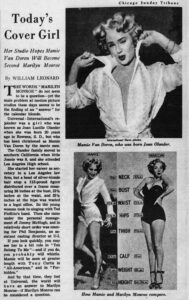
Marilyn Monroe, one of Hollywood’s most iconic stars, was found dead in her Los Angeles home at the age of 36. The official cause of death was listed as “acute barbiturate poisoning,” which the Los Angeles County coroner’s office ruled a “probable suicide.” Barbiturates are a class of CNS depressants that were commonly prescribed for anxiety and insomnia in that era. The toxicology report found lethal levels of pentobarbital (Nembutal) and chloral hydrate in her system. Her death highlighted the significant dangers of these widely prescribed medications and the lack of oversight in their use, particularly for patients struggling with significant mental health challenges under the glare of public life.
Elvis Presley: August 16, 1977
The death of Elvis Presley at age 42 shocked the world and has since been the subject of intense public interest, fueling questions like “how did Elvis Presley really die?” While the immediate cause of death was listed as cardiac arrest, the contributing factors were profound and complex. Subsequent investigations and toxicology reports revealed his system contained extremely high levels of multiple prescription drugs, including the opioids codeine, morphine, and meperidine, as well as sedatives like diazepam (Valium) and barbiturates. This was a clear case of severe polypharmacy. Presley’s death exposed a dangerous system of “doctor shopping” and physicians willing to over-prescribe massive quantities of controlled substances to a single patient. It was a tragic example of how the healthcare system itself could become a vector for the disaster of prescription drug dependency.
Heath Ledger: January 22, 2008
The death of Heath Ledger at age 28 brought the issue of prescription drug misuse into sharp focus for a new generation. He was found unconscious in his New York City apartment. The New York City medical examiner’s office concluded that Ledger died from an accidental overdose resulting from “the abuse of prescription medications.” The toxicology report revealed a potent mix of six different drugs: the opioids oxycodone and hydrocodone, the benzodiazepines diazepam, temazepam, and alprazolam, and the sleeping aid doxylamine. The death of Heath Ledger was a devastating illustration of the dangers of combining multiple CNS depressants, even at therapeutic doses. The medical examiner stressed that the death was the result of the cumulative, synergistic effect of these medications, not an excessive amount of any single one. His passing underscored the hidden epidemic of accidental overdoses among people mixing legally prescribed drugs.
Amy Winehouse: July 23, 2011
British singer Amy Winehouse, known for her powerful voice and tumultuous personal life, died at the age of 27. Her death was the result of alcohol poisoning. A coroner’s inquest found that her blood alcohol content was more than five times the legal driving limit at the time of her death. After a period of abstinence, she had resumed drinking, leading to a massive and fatal intake. While not a poly-drug overdose in the traditional sense, her death is a critical part of this analysis. It demonstrates that a legal, widely available substance can be just as deadly as illicit or prescription drugs. Alcohol poisoning is a form of overdose that causes the brain areas controlling basic life-support functions—like breathing and heart rate—to begin shutting down. Her story is a tragic reminder of the severity of alcohol use disorder as a life-threatening condition.
Philip Seymour Hoffman: February 2, 2014
The acclaimed actor Philip Seymour Hoffman was found dead in his Manhattan apartment at age 46. The New York City medical examiner ruled his death an accident caused by “acute mixed drug intoxication.” The substances found in his system included heroin, cocaine, benzodiazepines, and amphetamine. Hoffman had been open about his past struggles with addiction and had reportedly relapsed after more than two decades of sobriety. His death highlighted the chronic, relapsing nature of addiction and the extreme danger of returning to potent illicit substances like heroin after a period of abstinence, as tolerance to the drug decreases significantly, making a previously manageable dose lethal.
Prince: April 21, 2016
The musician and cultural icon Prince died at his Paisley Park estate in Minnesota at the age of 57. The cause of his death was a self-administered, accidental overdose of fentanyl. The investigation revealed that Prince was taking counterfeit Vicodin pills that were not prescribed to him. These pills, unbeknownst to him, were illicitly manufactured and contained the powerful synthetic opioid fentanyl instead of hydrocodone. Fentanyl is 50 to 100 times more potent than morphine. A minuscule amount can be fatal, especially for someone who is not opioid-tolerant. Prince’s death became a high-profile symbol of the third wave of the opioid crisis, where illicitly manufactured fentanyl began contaminating the drug supply, causing a massive spike in overdose deaths across North America. His story showed that no one was safe from the unpredictable and lethal nature of counterfeit pills.
Mac Miller: September 7, 2018
Rapper Mac Miller died at his Los Angeles home at age 26. The Los Angeles County coroner’s office determined his death was an accidental overdose due to “mixed drug toxicity.” The substances found in his system were fentanyl, cocaine, and alcohol. Like Prince, Miller was a victim of counterfeit pills. Authorities concluded that he was given counterfeit oxycodone pills that contained fentanyl. His death further amplified public awareness of the dangers of fentanyl in the illicit drug market. The combination with other CNS depressants like alcohol dramatically increased the risk of a fatal outcome. His death, along with others, spurred greater discussion about mental health in the music industry and the pervasiveness of substance use as a coping mechanism.