Overview
In the vast narrative of American history, industrial disasters represent some of its most tragic and transformative chapters. These events are not random acts of nature; they are almost always the result of human systems failing. They are stories of flawed designs, inadequate regulations, corporate negligence, and unforeseen chemical reactions. From the crowded factory floors of the early 20th century to the complex deep-sea oil rigs of the 21st, these tragedies have left an indelible mark on the nation’s landscape, laws, and collective memory.
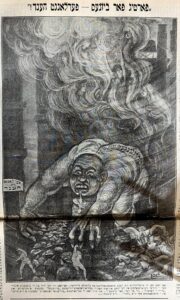
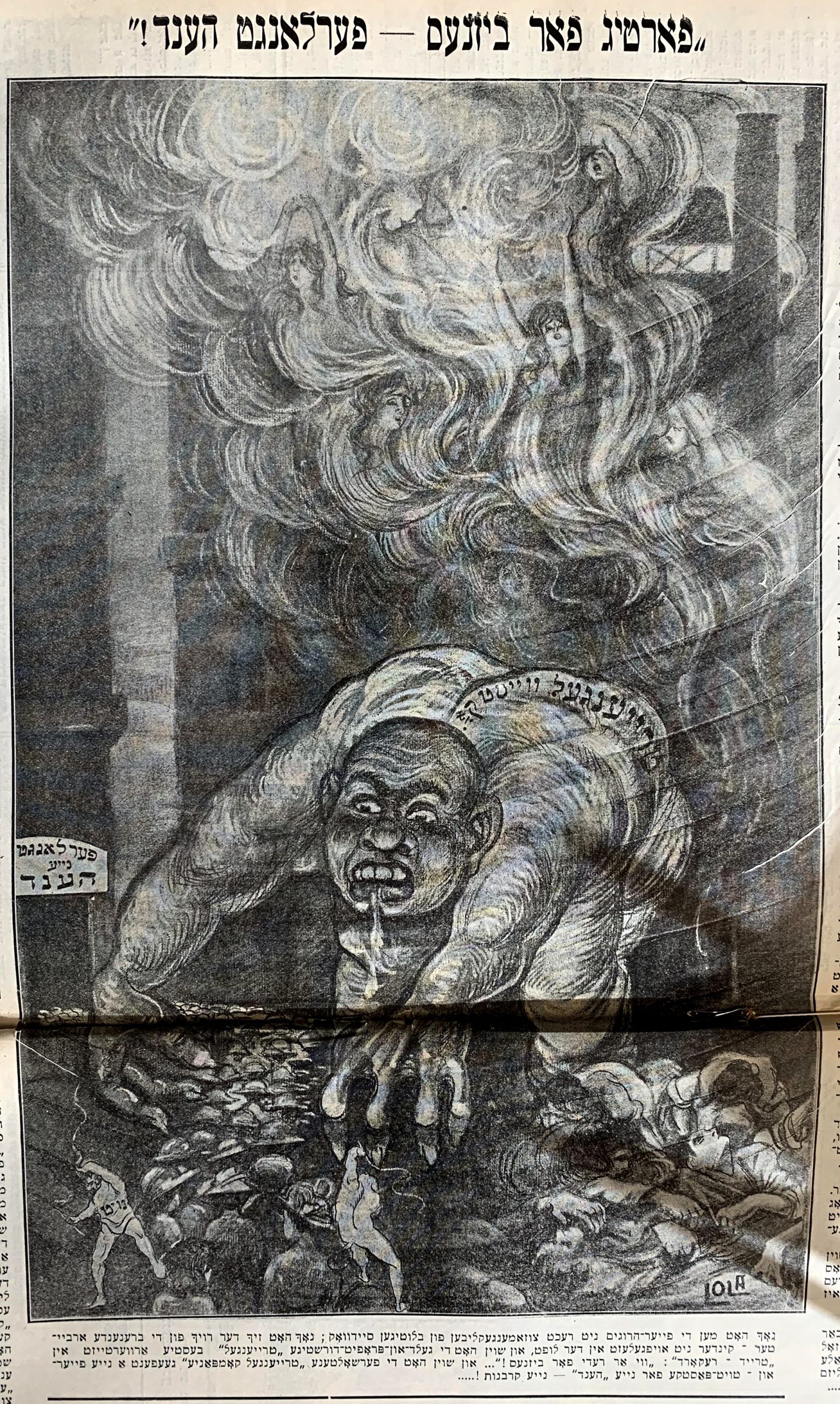
This article explores the history and impact of America’s worst industrial disasters by examining three pivotal events: the 1911 Triangle Shirtwaist Factory fire, the 1947 Texas City disaster, and the 2010 Deepwater Horizon oil spill. Each disaster occurred in a different era and involved different technologies, yet they share a common thread. They all exposed critical vulnerabilities in industrial safety practices and regulatory oversight, serving as brutal catalysts for change.
Understanding these tragic events is essential for appreciating the evolution of workplace safety, environmental protection, and corporate responsibility in the United States. The core takeaway from this history is that progress in industrial safety is often written in the language of loss. These disasters, though devastating, forced a reckoning that led directly to the standards and protections that govern modern industry today.