Human Impact & Response
The human cost of these disasters extends far beyond the initial casualty counts. They inflict lasting trauma on survivors, families, and entire communities, while also testing the limits of emergency response capabilities.
Triangle Shirtwaist Factory Fire
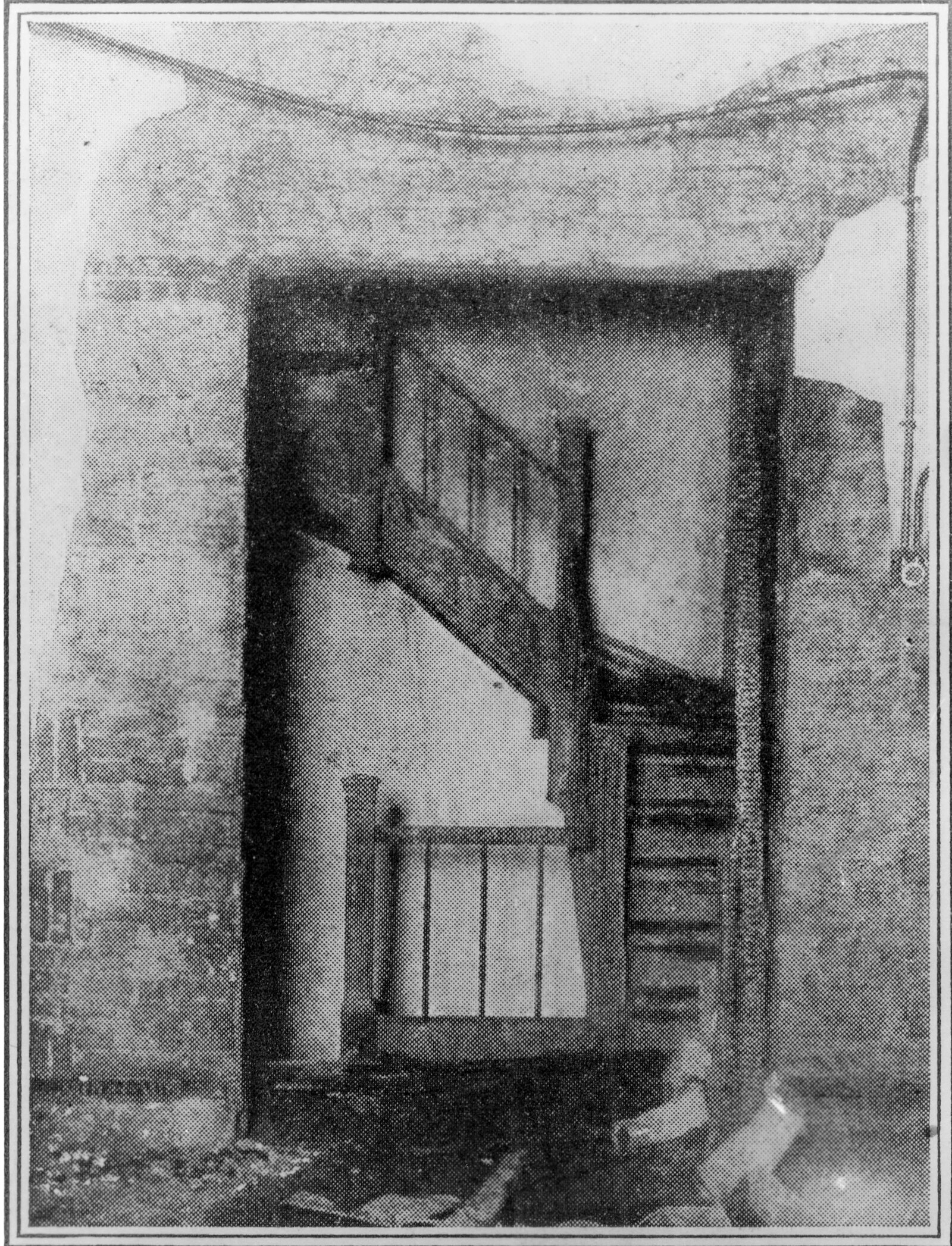
The Triangle fire resulted in the deaths of 146 garment workers. The victims were primarily young women and teenage girls, many of whom were recent Jewish and Italian immigrants. The loss was concentrated in the tight-knit immigrant communities of the Lower East Side, and the public grief and anger were immense.
In the immediate aftermath, the city was horrified. The sight of the victims who had jumped from the building left a deep psychological scar on the public consciousness. The response was initially one of shock, followed by a powerful call for justice and reform. Charities and unions organized relief for the victims’ families. The International Ladies’ Garment Workers’ Union (ILGWU) arranged a massive funeral march, in which over 100,000 people participated, to protest the unsafe conditions that led to the deaths. This public outcry became the driving force for legislative change.
Texas City Disaster
The human toll in Texas City was staggering. The official death count was 581, but the true number is believed to be higher, as many bodies were never identified or recovered. More than 5,000 people were injured. The initial blast instantly killed the city’s entire fire department, crippling the local emergency response.
The response to the disaster was a massive, nationwide effort. The American Red Cross, the military, and volunteers from across Texas and neighboring states descended on the area to provide medical aid, search for survivors, and establish temporary shelters. Surgeons and nurses worked for days in makeshift hospitals. The scale of the devastation required a long-term humanitarian operation to house the thousands left homeless and to help the community begin the slow process of recovery. The disaster left deep and lasting scars on the community, which had to rebuild not only its infrastructure but also its social fabric.
Deepwater Horizon Oil Spill
The Deepwater Horizon explosion killed 11 workers, and the subsequent months of the oil spill had profound human impacts across the Gulf Coast. While the immediate loss of life was lower than in other major industrial accidents, the long-term consequences were widespread. The spill devastated the regional fishing and tourism industries, which are the economic lifeblood for countless coastal communities in Louisiana, Mississippi, Alabama, and Florida.
Fishermen lost their livelihoods, and small business owners faced financial ruin. The disaster also caused significant mental and public health concerns. Residents reported high levels of stress, anxiety, and depression linked to the economic uncertainty and environmental destruction. The response effort, led by a unified command including BP, the U.S. Coast Guard, and other federal agencies, was one of the largest in history. It involved tens of thousands of personnel in cleanup operations, but the economic and psychological recovery for affected communities has been a long and difficult process.
Public health information at the CDC and the WHO. Environmental data via the EPA.