Infrastructure & Environmental Effects
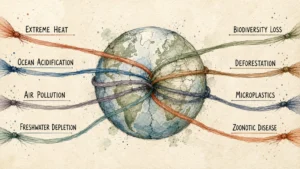
The physical destruction wrought by industrial disasters can reshape landscapes and cripple regional economies. The environmental consequences, particularly from chemical and oil spills, can persist for decades.
Triangle Shirtwaist Factory Fire
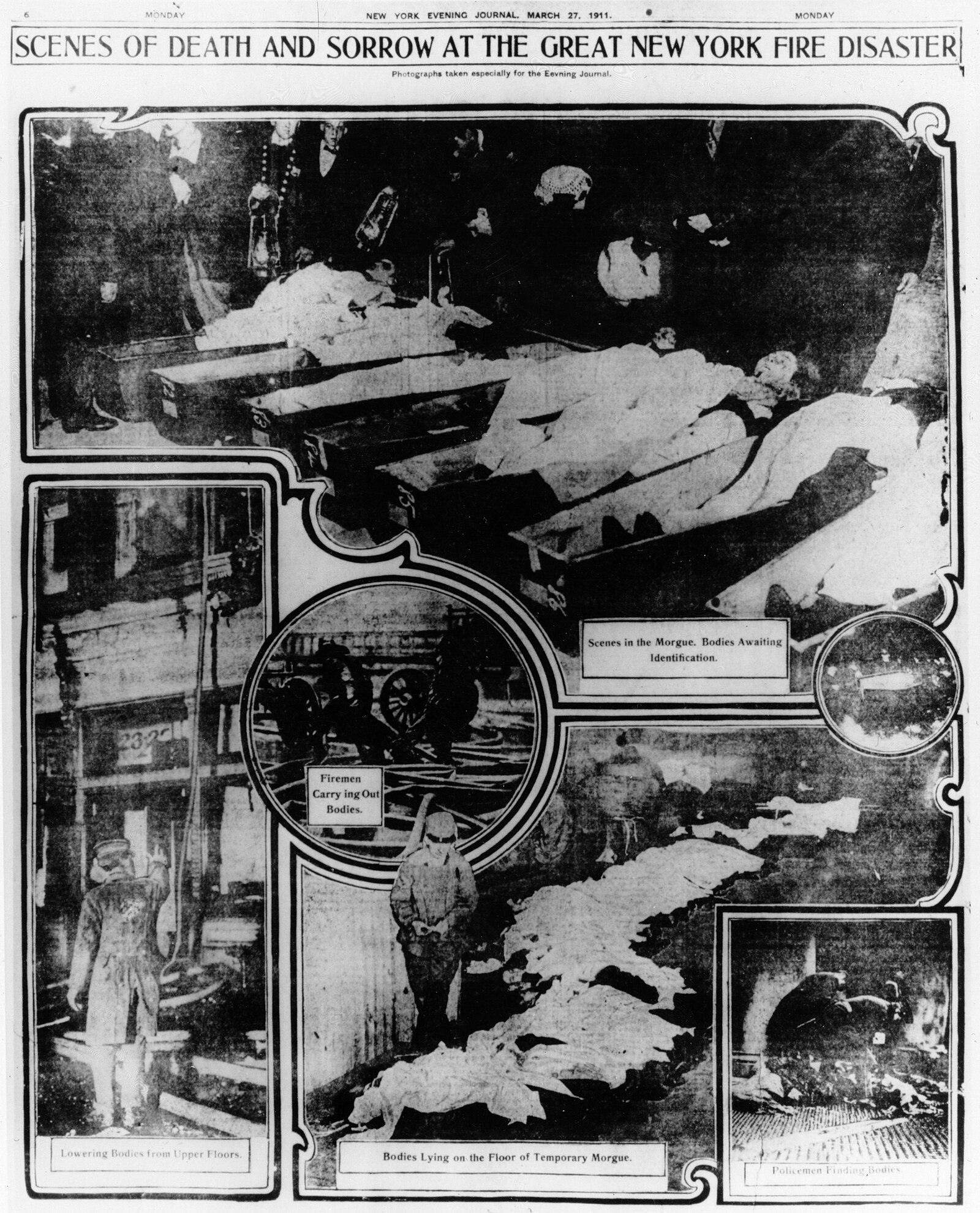
The infrastructural damage from the Triangle fire was largely confined to the top three floors of the Asch Building. The building itself was fireproof, a fact that was ironically touted at the time of its construction. While the steel and stone structure remained intact, the interior was gutted by the intense heat. The more significant impact was not on public infrastructure but on the garment industry itself. The fire exposed the brutal conditions within the city’s thousands of sweatshops, leading to inspections and condemnations of similar unsafe buildings across New York.
Texas City Disaster
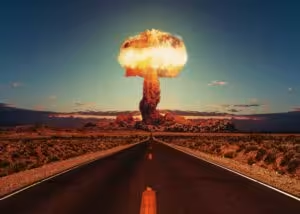
The Texas City disaster caused one of the most extreme examples of infrastructure destruction in American history. The port, the heart of the city’s economy, was completely annihilated. The force of the explosion vaporized the SS Grandcamp and created a crater where the dock had been. The Monsanto chemical plant was leveled, and hundreds of other industrial facilities, warehouses, and oil tanks were destroyed or severely damaged. The blast damaged nearly every home and building in the city, leaving a third of the population homeless. The recovery required a complete rebuilding of the city’s industrial base and residential neighborhoods, a process that took many years.
The environmental impact was also severe. A thick, black cloud of smoke from burning oil and chemicals hung over the city for days, causing respiratory problems. The harbor was contaminated with the wreckage of ships, debris, and the contents of ruptured chemical tanks, requiring extensive dredging and cleanup operations before it could be reopened.
Deepwater Horizon Oil Spill
The primary infrastructure loss was the $560 million Deepwater Horizon rig itself. However, the far greater impact was environmental. The sinking of the rig initiated the largest marine oil spill in history. Over a period of 87 days, an estimated 4.9 million barrels (over 200 million gallons) of crude oil flowed into the Gulf of Mexico.
The environmental effects were catastrophic and long-lasting. Oil slicks covered thousands of square miles of the ocean surface. Oil washed ashore, contaminating more than 1,300 miles of coastal habitat, including sensitive marshes and beaches. The spill caused immense harm to wildlife, killing thousands of birds, sea turtles, and marine mammals. The long-term damage to deep-sea ecosystems, including ancient coral communities, is still being assessed by scientists. Furthermore, nearly 2 million gallons of chemical dispersants were used to break up the oil, with their own potential for long-term environmental and health consequences still under study.
Emergency guidance at the FEMA and hazard science at the USGS and NOAA/NWS.