A Timeline of Abandonment
The path from a thriving community to an environmental ghost town typically follows a recognizable, multi-stage pattern. While each case is unique, the timeline often involves an initial incident, a period of growing awareness and investigation, official intervention, and a long, difficult aftermath. The case of Times Beach, Missouri, provides a clear example of this progression.
The first stage is the Inciting Incident, which is often invisible at the time. For Times Beach, this occurred between 1972 and 1976 when waste hauler Russell Bliss sprayed dioxin-contaminated oil on the town’s roads. For years, residents were completely unaware of the poison being laid at their feet. This period of ignorance can last for decades, as it did in the asbestos-mining town of Wittenoom.
The second stage is Discovery and Investigation. This phase begins when symptoms of the problem emerge. In Times Beach, this was marked by widespread animal deaths and residents reporting unusual illnesses. In 1982, following a tip, the EPA began taking soil samples. This period is often characterized by uncertainty, fear, and sometimes official denial or downplaying of the risk. Community members may become activists, demanding answers from agencies like the EPA or the CDC.
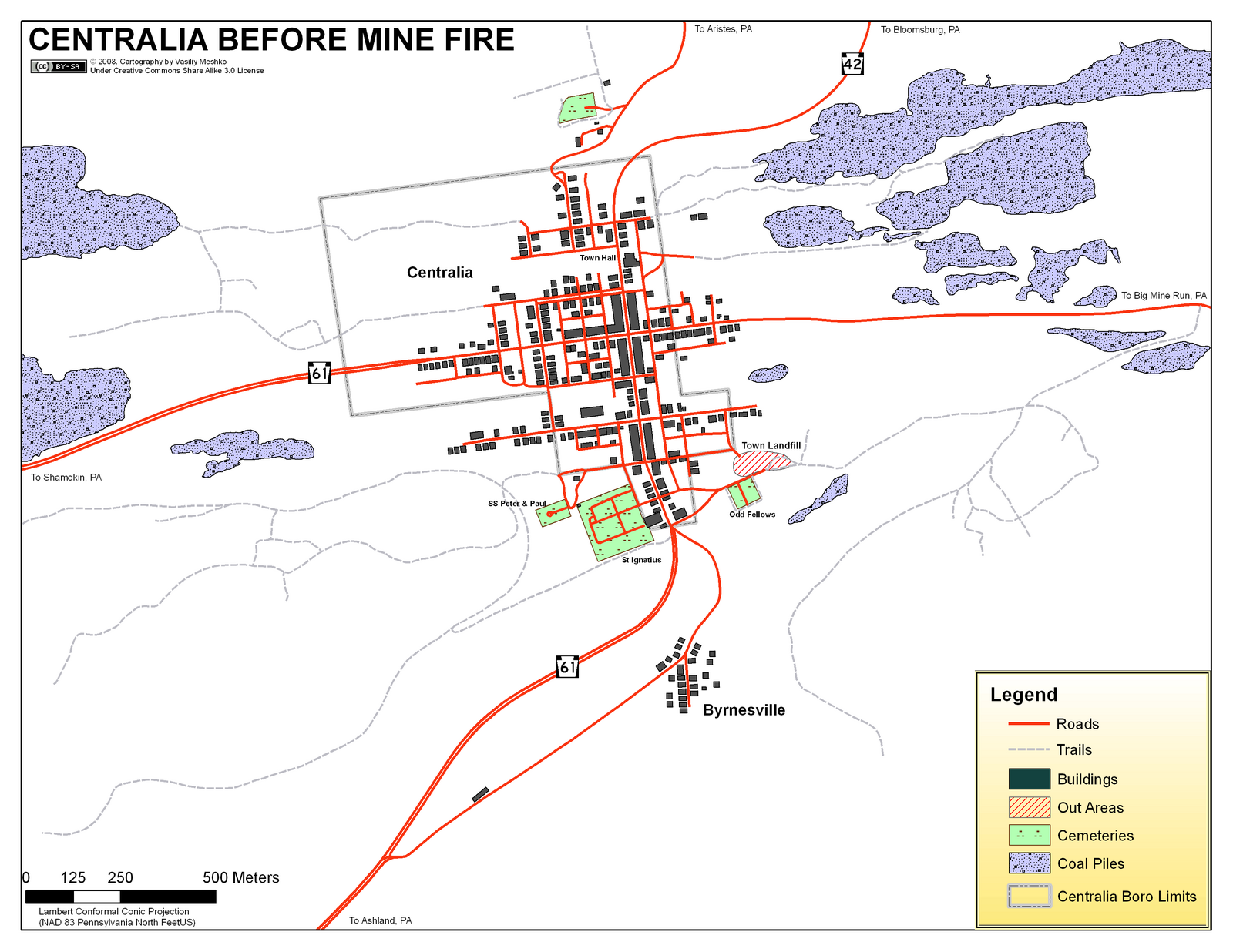
The third stage is Official Confirmation and Response. This is the tipping point. In late 1982, the EPA confirmed the dangerous levels of dioxin throughout Times Beach, coinciding with a catastrophic flood that spread the contamination further. The government’s response was decisive. In February 1983, the EPA announced its plan to buy out the entire town. This phase often involves large-scale logistical operations, such as the organized evacuation of Pripyat or the federal relocation programs for Centralia and Picher. It marks the formal death of the town as a living community.
The final stage is the Long-Term Aftermath and Remediation. After the residents leave, the town enters a new state of existence as a hazardous site. This involves demolition, decontamination, and long-term environmental monitoring. For Times Beach, this meant the construction of a massive incinerator to destroy the poisoned soil, a process that lasted through the 1990s. For places like Chernobyl and Fukushima, it means managing a permanent exclusion zone. For Centralia, the aftermath is ongoing, as the fire continues to burn with no end in sight. These abandoned places become permanent laboratories for studying environmental disaster and recovery. The infrastructure may be gone, but the environmental legacy remains.