The 6 Deadliest Earthquakes in Modern History — And Why They Still Matter
One thing about earthquakes: they don’t ask for permission. While they aren’t concerned about borders, economies, or your plans for tomorrow, when they hit, they really change everything in just a few seconds.
These are the six deadliest earthquakes in modern history. They are not just measured in magnitude but by the sheer scale of human loss. And beyond the stats, there is something deeper: a reminder of how fragile, yet powerful, we are.
1. Kashmir Earthquake—2005
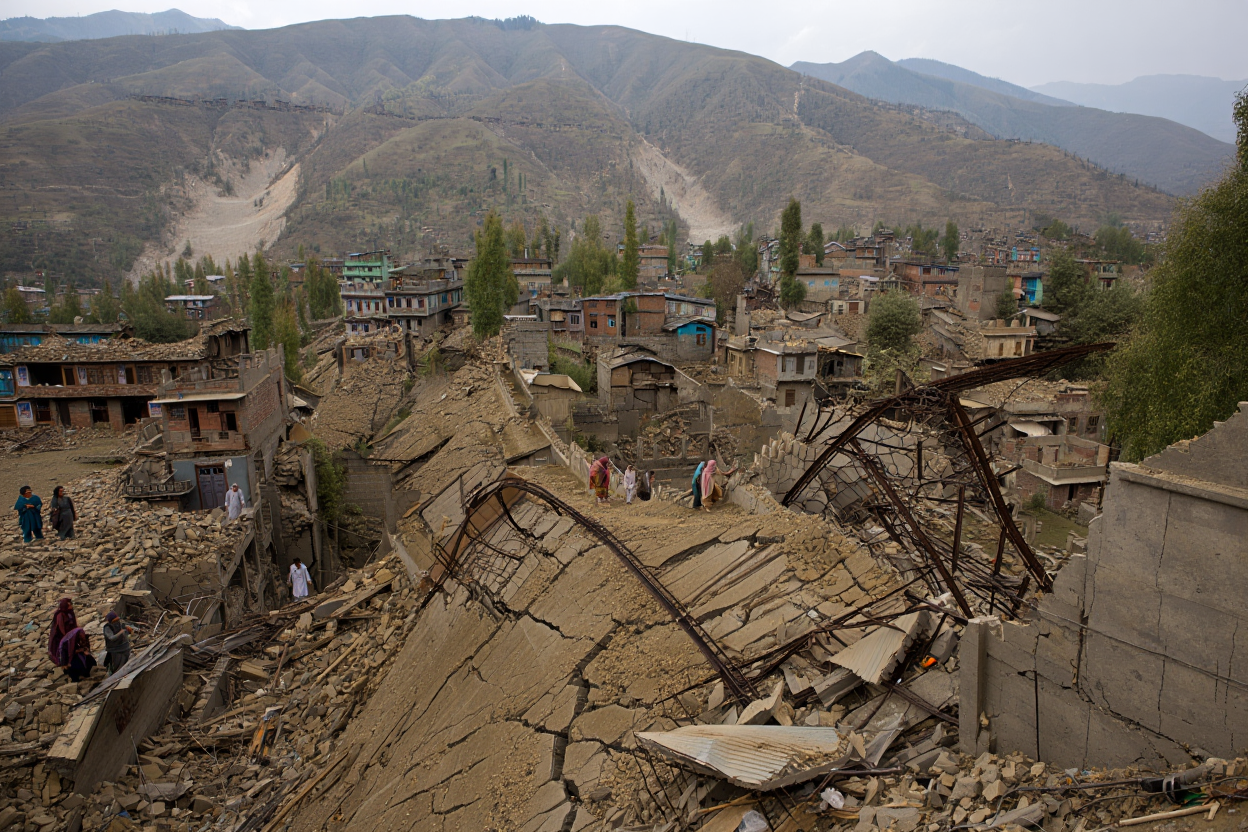
This powerful earthquake devastated northern Pakistan and nearby areas such as India and Afghanistan. What made it especially brutal was the fact that it struck in the morning, which means many people were still indoors. The tremors lasted less than a minute, but they flattened entire apartment blocks and schools.
People who survived needed to face freezing temperatures and delayed aid because the roads were destroyed. Many villages were cut off for days, and this humanitarian crisis exposed how little prepared rural mountain communities are and how critical infrastructure and early warning systems truly are.
Humanity learned a major lesson here: the urgent need for earthquake-resistant construction, especially in seismically active and economically vulnerable areas.
2. Sichuan Earthquake—2008
Because this earthquake hit during school hours, thousands of children were crushed in poorly built schools. This is why the public will never forget a But at this moment, the Chinese government had a fast response, mobilizing troops, medics, and international support.
However, entire cities in Sichuan province, such as Beichuan, were left in rubble. This was a turning point for the Chinese civil society to rise up. People started to volunteer, donate, and help rebuild, so the tragedy turned into unity.
What did humanity learn from here? Strong government coordination and community resilience are able to dramatically change and reduce the long-term damage of even the deadliest disasters.
3. Great Peruvian earthquake—1970
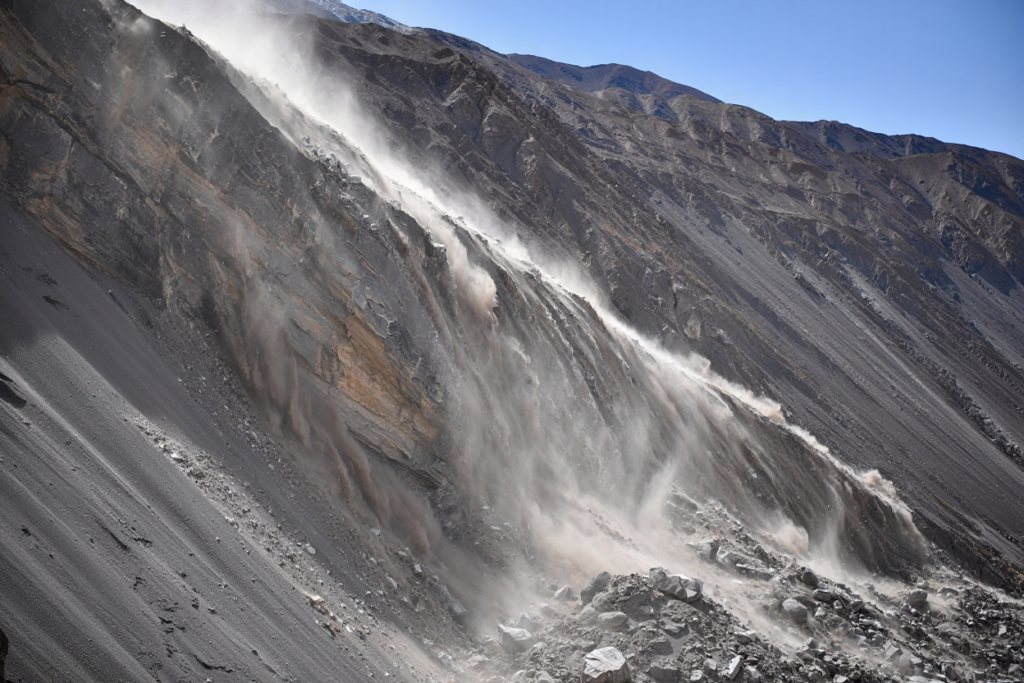
As most people don’t even remember this one, it’s a haunting experience considering how disasters cascade. The earthquake shook the Andes and unleashed a massive landslide, part of Mount Huascaran, burying the town of Yungay and Ranrahirca in seconds. Entire populations were wiped out in just seconds.
The town simply ceased to exist, and many bodies were never recovered. 800,000 people became homeless.
Governments learned and kept in mind that natural disasters don’t come alone—they can trigger avalanches, tsunamis, and fires, so preparedness must include everything that might follow.
4. Indian Ocean Earthquake and Tsunami—2004
The earthquake was one of the most powerful ever, but the real killer was the tsunami. With giant waves, some of them as high as 30 meters, they hit coasts across 13 countries: Thailand, Sri Lanka, India, the Maldives, Somalia, and worst of all, Indonesia.
The world watches as entire cities are swept away and families on vacation vanish in moments. This was one of the first global disasters in the internet age, changing everything.
Back then, early warning systems in the Indian Ocean were practically nonexistent, and the world finally started building the networks needed to warn coastal populations in time.
5. Great Tangshan Earthquake—1976
This earthquake struck in the dead of night. The government didn’t announce the quake immediately, and many of the rescue efforts were delayed and kept under wraps, considering some political tensions. China was in the final days of Mao’s rule. Locals dug with their hands to pull their neighbors from rubble, sharing the little they had. It was such a raw, dark moment that it sparked serious changes in how China handled future disasters.
What did humanity eventually take from here? Well, the insight is that transparency during a crisis saves lives, as people can’t prepare for what they don’t know is happening.
6. Haiti Earthquake—2010
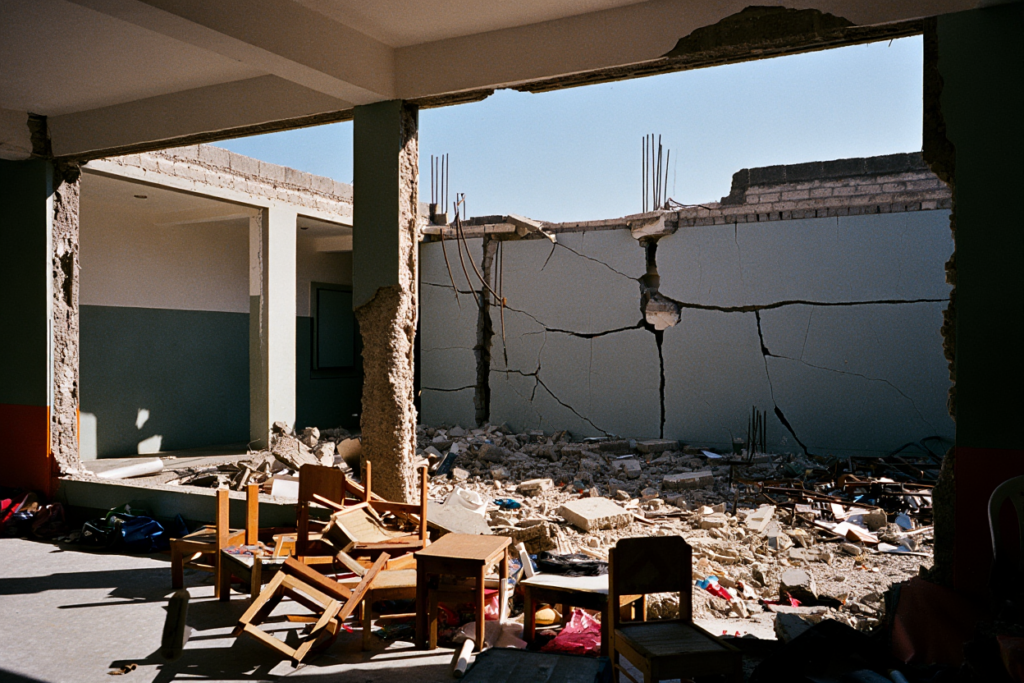
One of the most painful examples of what can happen when extreme poverty meets disaster is the Haiti earthquake in 2010. Even if the quake was relatively moderate in strength, Haiti’s infrastructure was so fragile that nearly everything collapsed, from government buildings and schools to homes.
With all the international help poured in, years later, many were still in tents. Bureaucracy, corruption, and poor coordination kept people stuck in survival mode. The final thought here is that aid is not only about money but also about leadership, logistics, and genuine respect for local communities. Recovery can take decades without those.
Earthquakes shake more than the ground
What makes these earthquakes unforgettable is not only their size or death toll. It’s about the way everyone needed to deal with it: the resilience of people, the failures of systems, and lessons that are still being learned.
Let this be a reminder if you’re lucky enough to live in a place where preparedness is a given, and stay aware if you’re in a vulnerable region. Make sure you know where the nearest safe zone is, support calls for infrastructure, and teach your people how to respond.
Read next: 10 States Most at Risk for Natural Disasters in 2025