Human Impact & Response: The Cabin and the Crew
In any in-flight incident, the human element is central to the outcome. The response of the flight crew, cabin crew, and passengers can dramatically influence the severity and resolution of an emergency. The system is designed to manage not just the mechanics of the aircraft, but the psychology of the people inside it.
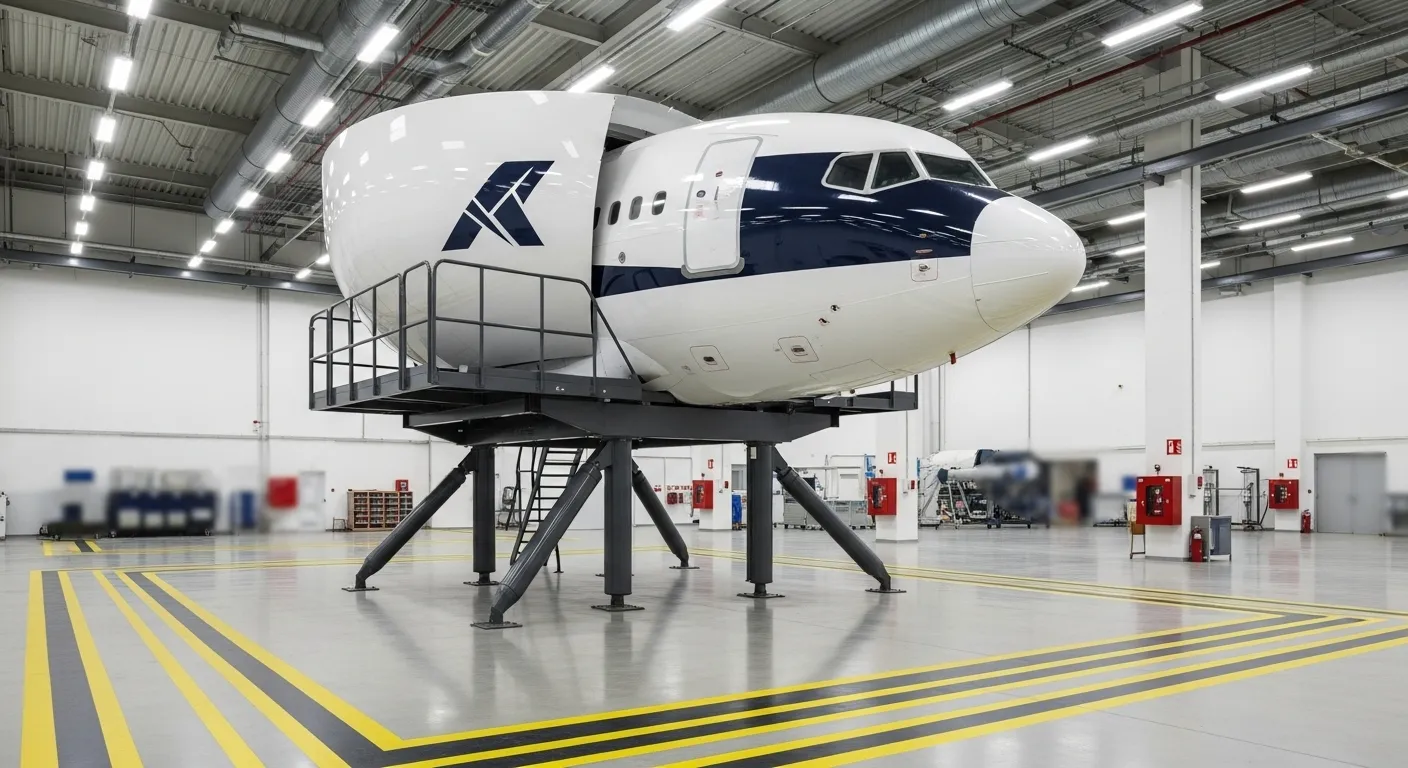
The flight crew operates under immense psychological pressure. Their training is designed to counteract the natural “startle effect” of a sudden crisis, replacing it with methodical, procedural action. Simulator training repeatedly exposes pilots to worst-case scenarios, building muscle memory and cognitive pathways that allow them to function effectively under stress. The captain bears the ultimate responsibility for the safety of the flight, but modern cockpits operate on a CRM philosophy where the first officer is an empowered and essential partner in decision-making.
The cabin crew’s role is equally critical. They are the first responders inside the cabin, trained to manage everything from a medical emergency to a full-scale evacuation. In an emergency, their first duty is to maintain order and provide clear, authoritative instructions to passengers. They secure the cabin for landing, brief passengers on brace positions, and, if necessary, direct an evacuation. Their calm and professional demeanor is a powerful tool for managing passenger anxiety and ensuring a coordinated response. They are, in essence, the incident commanders for the passenger cabin.
For passengers, an in-flight emergency can be a terrifying and confusing experience. The lack of information, combined with unfamiliar sounds and motions, can lead to panic. The most important response for a passenger is to listen carefully to the instructions from the cabin crew and follow them without question. Instructions to remain seated with seatbelts fastened, to adopt a brace position, or to leave personal belongings behind during an evacuation are given for critical safety reasons. Passenger compliance is a vital component of a successful emergency outcome.
The response does not end when the plane is on the ground. Airlines have teams dedicated to post-incident care for passengers and crew, providing medical support, counseling, and logistical assistance. Flight crews are often given mandatory time off and access to psychological support services to help them process the event. The aviation industry recognizes the profound human impact of these incidents and has built a support structure to address it.