Lessons & Reforms: The Safety Chain That Binds Aviation
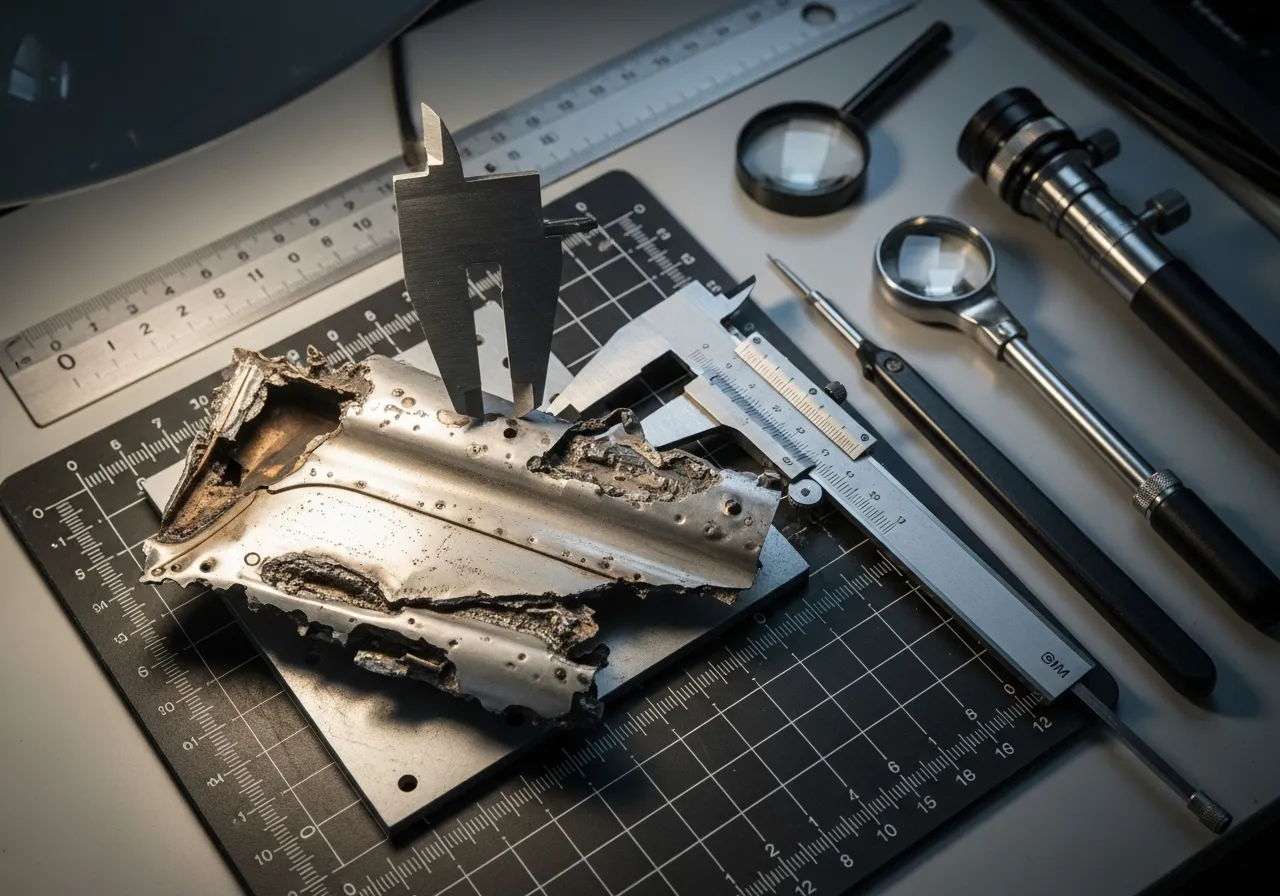
The single most important principle in aviation safety is that every incident, and especially every accident, must be a lesson. The industry’s remarkable safety record is not a result of avoiding failure, but of systematically learning from it. A formal, impartial investigation process is central to this cycle of continuous improvement.
The goal of an investigation by a body like the NTSB is not to assign blame but to identify the root cause. A root cause is the fundamental, underlying reason for a failure. It is rarely a single error but more often a chain of events involving mechanical, human, and organizational factors. For example, the immediate cause of an accident might be pilot error, but the root cause analysis might reveal that inadequate training, poor checklist design, or fatigue were the underlying factors that led to that error.
These investigations produce safety recommendations that are issued to regulators like the FAA, aircraft manufacturers, and airlines. While these recommendations are not always mandatory, they carry significant weight and often lead to profound changes in technology, procedure, and training.
Mini-Example: The Genesis of Crew Resource Management (CRM)
In the 1970s, investigators noticed a disturbing trend: many accidents were occurring in technically sound aircraft. A pivotal case was the 1978 crash of United Airlines Flight 173. The crew became so fixated on a minor landing gear problem that they failed to monitor their fuel state, eventually running out of fuel and crashing short of the airport. The NTSB concluded that the crash was not caused by a technical failure but by a breakdown in crew coordination and communication. The captain had ignored the increasingly urgent warnings of his first officer and flight engineer. This and other similar accidents led to the development of Crew Resource Management (CRM). CRM training shifted cockpit culture from a rigid, captain-centric hierarchy to a collaborative team model, empowering all crew members to speak up and challenge authority if they see a safety risk. CRM is now a global standard and is credited with preventing countless accidents.
Similarly, the mandatory adoption of TCAS was a direct result of investigations into mid-air collisions. The Aviation Safety Reporting System (ASRS), a confidential reporting system run by NASA, allows pilots and other aviation professionals to report safety concerns without fear of reprisal. These pilot stories and reports create a vast database of information about near-misses and latent risks, allowing the industry to identify and fix problems before they can cause an accident. The scariest moments in the cockpit, when shared and analyzed, become the building blocks of a safer future.