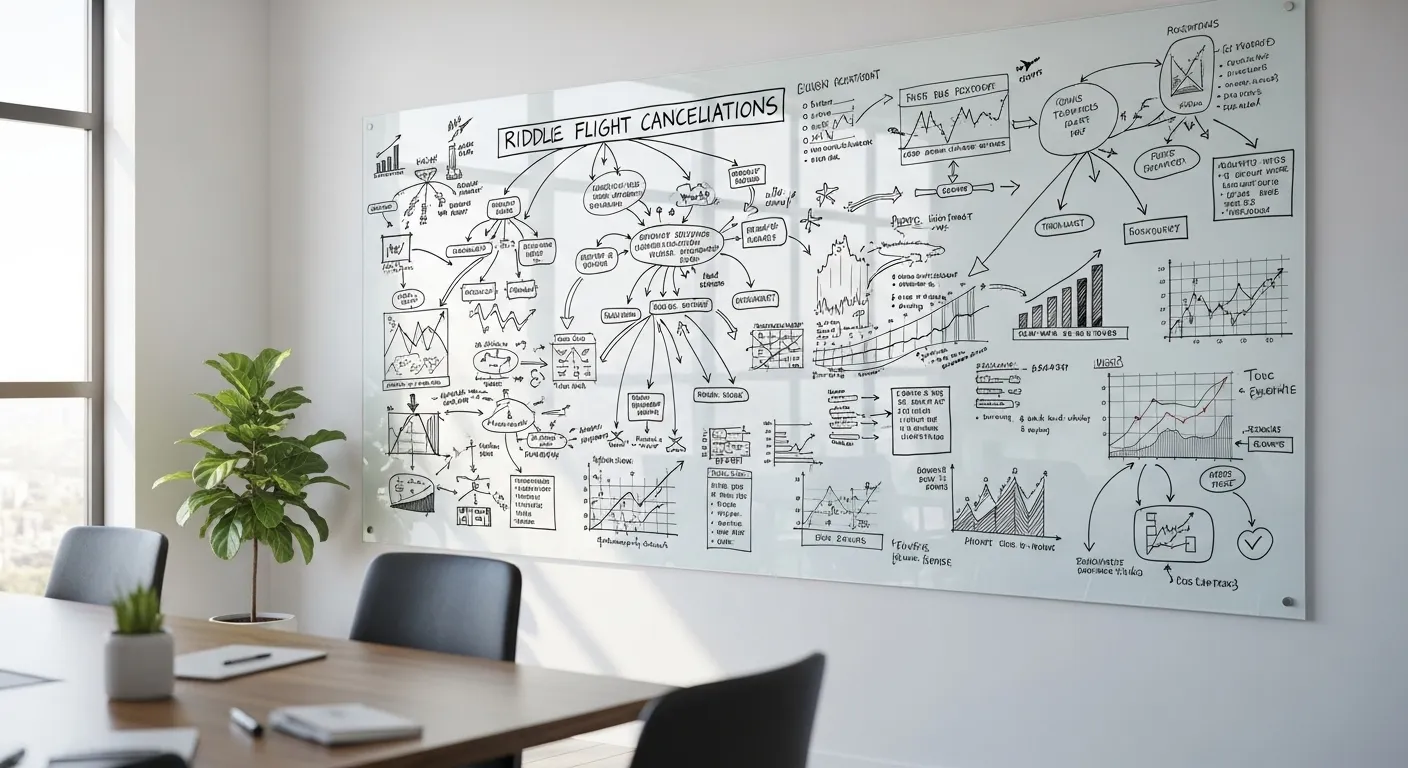
Passenger Impact & System Response
The consequences of chronic airport delays extend far beyond simple frustration. The human impact is significant, encompassing economic loss, physical stress, and a breakdown in trust between travelers and the aviation industry. A single cancellation can lead to a cascade of personal crises: missed business meetings, spoiled vacations, lost non-refundable hotel payments, and separation from family. For passengers traveling for critical reasons, such as a medical procedure or a funeral, the emotional toll can be immense.
The economic costs are staggering. Airline-related delays and cancellations cost the U.S. economy tens of billions of dollars annually, a figure that includes direct costs to airlines (fuel, crew pay, passenger compensation) and costs to passengers (lost productivity, unplanned expenses for food and lodging). A primary impact of a delay is the direct cost to the airline and passenger involved in that specific flight. The secondary impacts are the ripple effects, such as the flight crew timing out and being unable to operate their next scheduled flight, propagating delays throughout the system for the rest of the day.
The system’s response to these disruptions is a complex, multi-layered process. At the highest level, the FAA’s Air Traffic Control System Command Center works to manage the flow of traffic nationwide, using tools like Ground Delay Programs and airspace flow programs to meter aircraft into congested areas. Their goal is to balance demand with available capacity to ensure safety, though this often comes at the cost of punctuality.
Airlines have their own sophisticated operations centers that work around the clock to manage disruptions. When a flight is delayed or canceled, these centers are responsible for rerouting aircraft, reassigning crews, and reaccommodating passengers. This is a massive logistical puzzle. Modern computer systems help automate the rebooking process, but during large-scale disruptions, such as a major winter storm, the system can become overwhelmed, forcing passengers into long lines and hours-long waits on customer service phone lines. Public health information for travelers during extended delays can be found from agencies like the CDC.
In the United States, passenger rights during delays are limited compared to regions like the European Union. There is no federal law requiring airlines to provide compensation or amenities for delayed passengers. Each airline has its own contract of carriage, which outlines its policies. Recently, the Department of Transportation has increased pressure on airlines to improve their customer service plans, creating public dashboards that show which airlines guarantee meals, hotels, or rebooking on other carriers for controllable, airline-caused cancellations.