FAQs
What is human resilience in the context of disasters?
Human resilience refers to the capacity of individuals, communities, and systems to withstand, adapt to, and recover from shocks and stresses like disasters. For an individual, it involves a combination of psychological fortitude, practical skills, and physiological endurance. For a community, it includes social cohesion, effective governance, and robust infrastructure that can continue to function during a crisis.
How did Tsutomu Yamaguchi survive two atomic bombs?
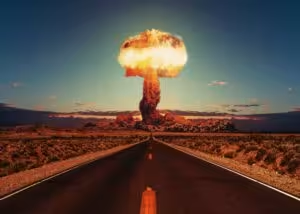
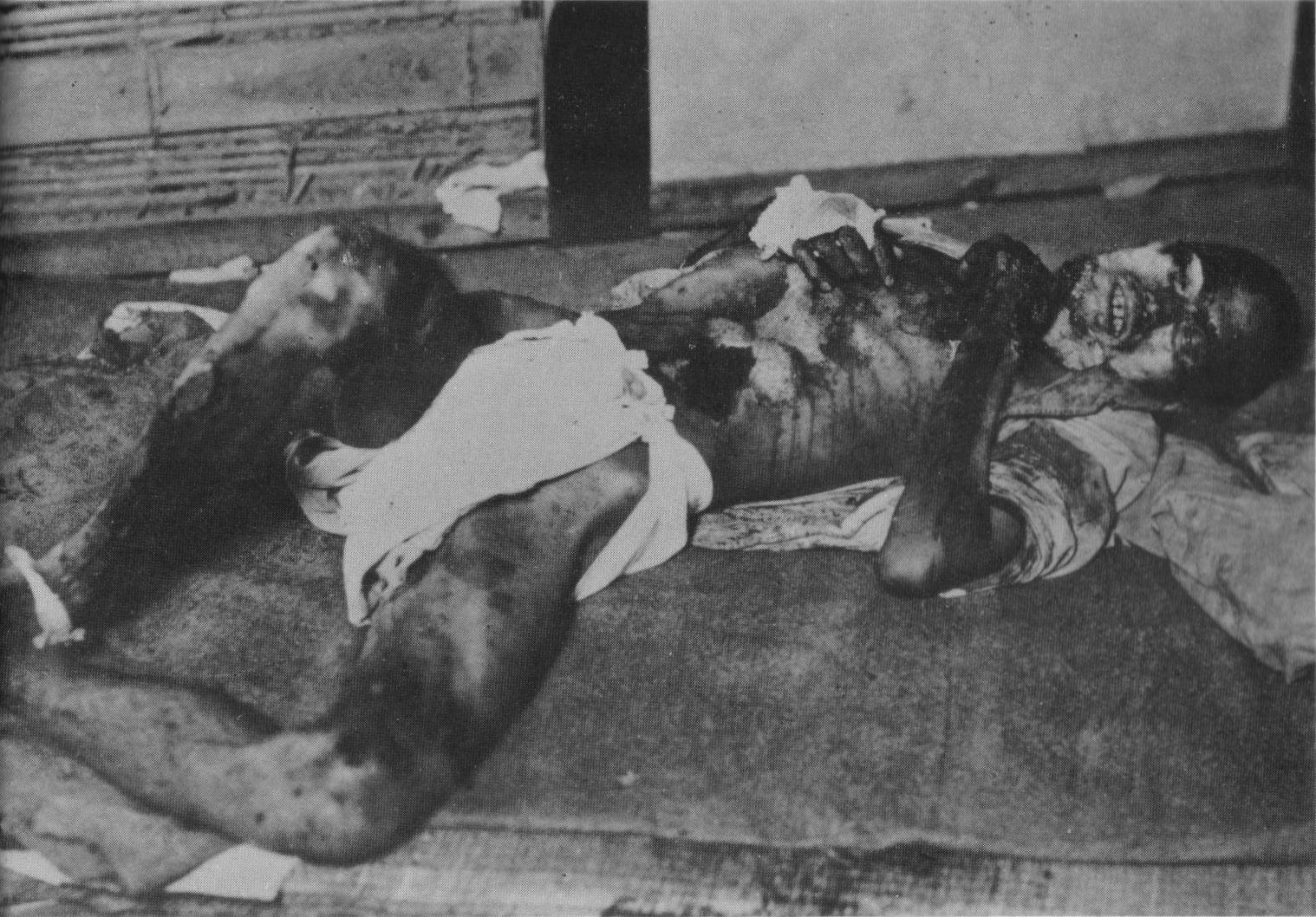
Mr. Yamaguchi’s survival was a result of several factors. In both Hiroshima and Nagasaki, he was approximately 3 kilometers (1.8 miles) from the hypocenter, outside the zone of near-total destruction. In the first bombing, his position may have offered some shielding, and in the second, he was inside a sturdy, reinforced concrete building which protected him from the initial blast and thermal radiation.
Are there common traits among disaster survivors?
While every case is unique, research suggests that survivors of extreme events often exhibit certain traits. These can include a strong will to live, the ability to remain calm and think rationally under immense pressure, and a capacity for creative problem-solving. Prior training, knowledge, and physical fitness can also play crucial roles, as seen with Juliane Koepcke’s knowledge of the jungle and Aron Ralston’s mountaineering experience.
What is the most important lesson from these survival stories?
The single most important lesson is that preparation matters. This includes government-level preparation, like robust early warning systems and building codes, as well as personal preparation. Knowing basic first aid, having an emergency kit, and following safety guidelines for activities like hiking or flying can significantly improve outcomes when a disaster strikes.
How can I prepare for a potential emergency?
Emergency preparedness starts with three basic steps. First, build a kit with essential supplies like water, non-perishable food, a first-aid kit, and a flashlight. Second, make a plan with your family, establishing meeting points and communication methods. Third, stay informed about the specific hazards in your area and heed warnings from official sources like local emergency management agencies.
This article is for informational purposes only and does not constitute emergency advice. Always verify information and follow guidance from official agencies and local authorities, as conditions, policies, and recommendations can change.