Human Impact & Response
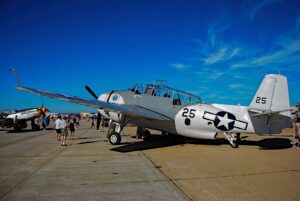
While the Bermuda Triangle itself is a myth, the underlying incidents were real tragedies with significant human consequences. The families of the crews of Flight 19, the USS Cyclops, and countless other vessels and aircraft lost at sea experienced profound and lasting grief. The creation of the Triangle legend often inflicted a secondary, painful impact: it replaced the dignity of their loss with a circus of sensational speculation. Instead of closure, families were left with bizarre theories that overshadowed the memory of their loved ones and their professional service.
The myth also created a public perception of an exceptionally dangerous area, causing unnecessary anxiety for travelers and a significant workload for official agencies tasked with responding to public inquiries. This diversion of resources, while minor, represents a tangible consequence of widespread misinformation.
Official Agency Response
The response from United States government agencies has been consistent and unequivocal. The U.S. Board on Geographic Names, which is the federal body responsible for standardizing place names, does not recognize “Bermuda Triangle” as an official name and does not maintain an official file on the area. It is a colloquial term, not a geographic reality.
The U.S. Coast Guard, the primary agency for maritime search and rescue, has also been direct in its assessment. In response to countless inquiries, the Coast Guard has stated that its analysis of casualty reports does not show that the number of losses in the region is proportionally greater than in any other part of the ocean. Their official position is that “the Coast Guard does not recognize the existence of the so-called Bermuda Triangle as a geographic area of specific hazard to ships or planes.” They note that the vast majority of incidents can be attributed to the known environmental and human factors discussed previously.
Search and rescue (SAR) operations in this region are conducted based on science, logistics, and established protocols. When a vessel or aircraft is reported missing, agencies like the Coast Guard and the Air Force Rescue Coordination Center initiate systematic search patterns based on the last known position, wind and current data, and the type of craft involved. The operational focus is always on the tangible realities of a rescue mission, not on folklore. For guidance on real-world emergency preparedness, citizens can consult resources from FEMA.
The Impact on Investigation and Public Trust
The persistence of the Bermuda Triangle myth can, in some ways, undermine public trust in scientific investigation. When official reports from bodies like the NTSB or the Navy conclude an accident was caused by mechanical failure or pilot error, proponents of the mystery often dismiss these findings as a cover-up. This fosters an environment where evidence-based conclusions are seen as less compelling than unsubstantiated speculation.
This dynamic highlights a broader challenge in communicating risk and disaster analysis. The public is often drawn to simple, grand-scale explanations, whereas real-world disasters are typically complex, with multiple contributing factors. The Bermuda Triangle serves as a case study in how a narrative of mystery can overpower a more nuanced and accurate reality, with lasting consequences for public understanding and the memory of those who were lost.