FAQs
Why was the Britannic a hospital ship and not a passenger liner?
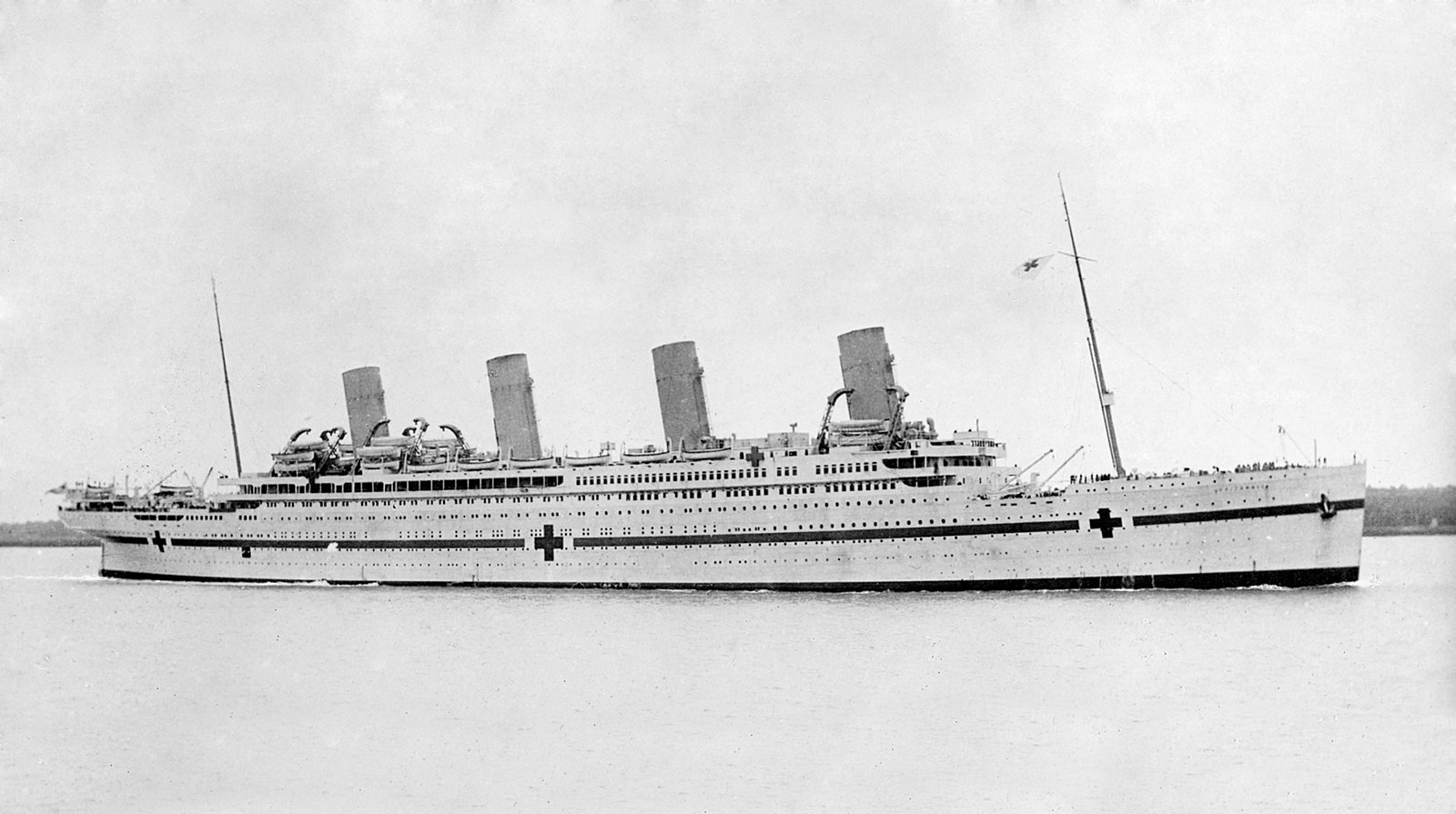
The Britannic was launched in February 1914, but its final outfitting was interrupted by the start of World War I in August 1914. Before it could begin its intended transatlantic passenger service, it was requisitioned by the British Admiralty in 1915 and converted into a hospital ship to transport wounded soldiers from the Mediterranean theater of war.
What is the main theory for why the Britannic sank so fast?
The leading theory is that numerous portholes on the lower decks had been left open to ventilate the hospital wards. After the ship was damaged by a mine and began to list, these open portholes dipped below the waterline, allowing seawater to bypass the raised watertight bulkheads and flood the ship much faster than the initial damage alone would have caused.
How many people died on the Britannic?
Of the 1,065 people on board, 30 died during the sinking. The vast majority of these fatalities occurred when two lifeboats were launched prematurely and drawn into the ship’s still-turning propellers. The overall survival rate was high due to factors like warm water, daylight, and proximity to rescue.
Is the Britannic wreck being preserved?
The wreck of the HMHS Britannic lies in about 400 feet of water and is remarkably well-preserved due to the favorable conditions of the Aegean Sea. It is protected under Greek and British law as a war grave and an important archaeological site. Access is restricted, and it is primarily visited by authorized scientific and filming expeditions.
Was the sinking of the HMHS Britannic a war crime?
The sinking is not officially considered a war crime. The German government maintained that the ship struck a legally laid mine, which is a recognized hazard of wartime naval operations. As a hospital ship, Britannic was protected from direct attack, but that protection did not extend to accidental contact with sea mines. The key unsolved mysteries relate to its engineering failure, not the legality of the sinking.
This article is for informational purposes only and is not a substitute for professional emergency guidance. Conditions, official guidance, and policies are subject to change; always verify information with official agencies and local authorities.