Human Impact & Response
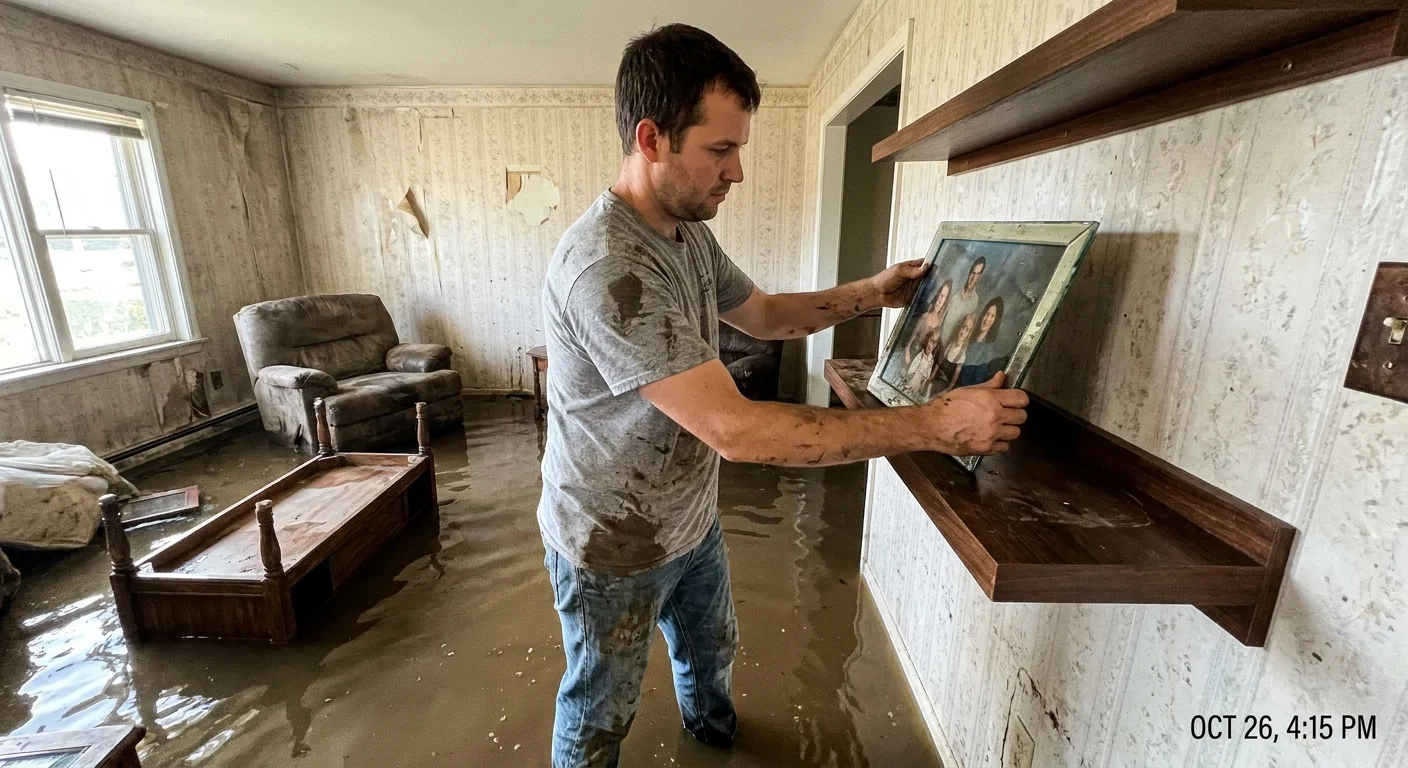
The human toll inflicted upon these eight cities remains staggering, fundamentally altering the demographics and public health frameworks of their respective regions. You must approach these casualty figures with a deep respect for the lives lost and the incredible hardships faced by the survivors. The 1900 Galveston hurricane stands as the deadliest natural disaster in United States history, claiming an estimated 8,000 lives in a single night. The sheer volume of victims overwhelmed local authorities. With no space to bury the dead and the summer heat accelerating decomposition, officials were forced into the grim, highly controversial decision of conducting mass burials at sea and later organizing large-scale pyres on the beaches to prevent sweeping disease outbreaks. Similarly, the 1906 San Francisco earthquake and fire resulted in over 3,000 fatalities and left 227,000 people—more than half the city’s population—entirely homeless. The military quickly established massive temporary tent cities in Golden Gate Park, enforcing strict martial law to deter looting and managing a massive public health campaign to prevent cholera and dysentery among the displaced masses.
In Johnstown, the 1889 flood claimed 2,209 lives, wiping out entire families in minutes. The response marked a pivotal moment in American humanitarian operations, as Clara Barton arrived with the newly formed American Red Cross to lead her first major peacetime relief effort. Her teams provided emergency shelter, medical triage, and psychological support to a traumatized workforce. The Great Chicago Fire of 1871 resulted in roughly 300 direct fatalities, but the secondary impacts were massive; 100,000 people were left to face the incoming brutal Midwestern winter without shelter. Local and state governments had to rapidly establish centralized distribution centers for food, clothing, and building materials to keep the surviving population from freezing or starving to death.
As the 20th century progressed, the focus shifted heavily toward emergency management and mass evacuation. The 1913 Dayton flood resulted in 360 deaths across the region, trapping thousands on the roofs of their homes for days without clean water or heat. The local industrial base, led by the National Cash Register Company, pivoted entirely to relief operations, building rescue boats by the hundreds and converting factory floors into massive emergency cafeterias and hospitals. In Hilo, the combined loss of over 200 lives during the 1946 and 1960 tsunamis inflicted deep psychological scars on the community. The tragedy of 1960 was particularly devastating because the siren warnings were widely misunderstood; many residents either ignored them or actually walked down to the shoreline to watch the water recede, a fatal mistake that underscored the critical need for better public education regarding tsunami behavior.
Modern disasters present complex humanitarian challenges involving massive logistical coordination. In Homestead, Hurricane Andrew claimed 65 lives directly and indirectly, but it displaced over 175,000 people. The complete destruction of local grocers, pharmacies, and clinics necessitated the deployment of active-duty military personnel to establish supply chains for essential life-sustaining goods. The aftermath of Hurricane Katrina in New Orleans in 2005 resulted in 1,392 fatalities and triggered one of the largest modern diasporas in American history. Hundreds of thousands of residents fled to neighboring states. Those trapped faced unbearable conditions in the Superdome and the Convention Center, exposing critical flaws in federal, state, and local emergency management coordination and emphasizing the profound vulnerability of elderly, impoverished, and medically dependent populations during catastrophic events.