Lessons & Reforms
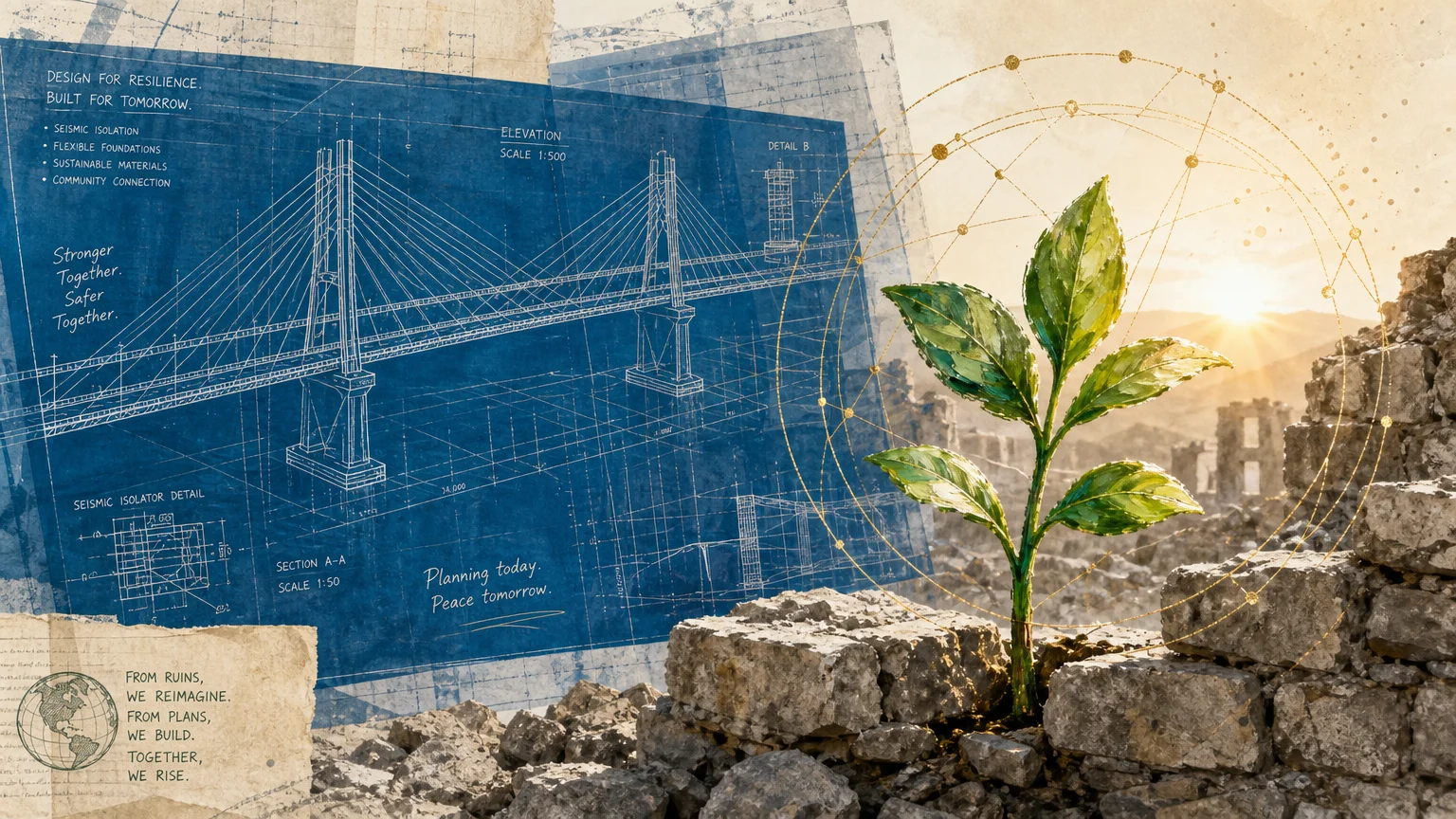
History demonstrates that natural disasters test the limits of human engineering and political leadership. You can see that when governments ignore hazard science and underfund emergency preparedness, the resulting chaos frequently leads to war. Modern risk reduction relies entirely on decoupling environmental shocks from political violence through robust infrastructure, transparent governance, and international cooperation. Establishing strict building codes, funding rapid-response logistical networks, and implementing community resilience programs serve as the primary defenses against disaster-induced conflicts.
Consider the immediate reforms enacted after the 1970 Bhola Cyclone. The violent political fallout that created Bangladesh forced an absolute reckoning in disaster management. Today, Bangladesh operates one of the most effective early warning systems in the world. By constructing thousands of elevated cyclone shelters and empowering local volunteer networks, the government drastically reduced the mortality rate of subsequent storms. When similar cyclones strike the region now, the death toll numbers in the dozens rather than the hundreds of thousands. Because the government actively protects its citizens through engineered infrastructure and proactive communication, modern storms no longer trigger political revolutions or civil wars in the region.
Disaster diplomacy also plays a crucial role in preventing warfare. When hostile nations share scientific data and offer mutual aid during a crisis, they can de-escalate long-standing tensions. For example, joint earthquake response initiatives have occasionally opened communication channels between adversarial governments, proving that cooperative emergency management can build political trust. To ensure this stability, governments must utilize specialized agencies to monitor environmental threats and deploy resources efficiently.
Emergency guidance at the FEMA and hazard science at the USGS and NOAA/NWS.
Public health information at the CDC and the WHO. Environmental data via the EPA.
Transport and workplace investigations via the NTSB and OSHA. Risk reduction resources at the UNDRR.
Disclaimer: This article provides historical analysis for informational purposes only and does not constitute emergency or geopolitical advice. Conditions, guidance, and geopolitical policies change rapidly. Always verify current emergency procedures and travel advisories with official agencies and local authorities.