Lessons & Reforms
Society does not simply rebuild exactly as before following a catastrophic tropical storm; massive disasters forcefully dictate radical shifts in policy, engineering, and preparedness. Every major storm acts as a severe stress test on community resilience. By studying the specific points of failure, structural engineers and emergency management directors implement vital reforms designed to save lives during future landfalls.
You can look at the aftermath of the 1900 Galveston Hurricane for a primary worked mini-example of transformative civic engineering. Following the complete destruction of the island, engineers did not merely clear the debris. They executed a monumental grade-raising project, physically pumping millions of cubic yards of dredged ocean sand beneath the city to elevate the entire municipal footprint by up to 17 feet. Concurrently, they constructed a massive, 10-mile-long curved concrete seawall designed to forcefully deflect incoming wave energy back into the Gulf of Mexico. This unprecedented engineering feat successfully protected the city from total destruction when a storm of similar intensity struck just fifteen years later.
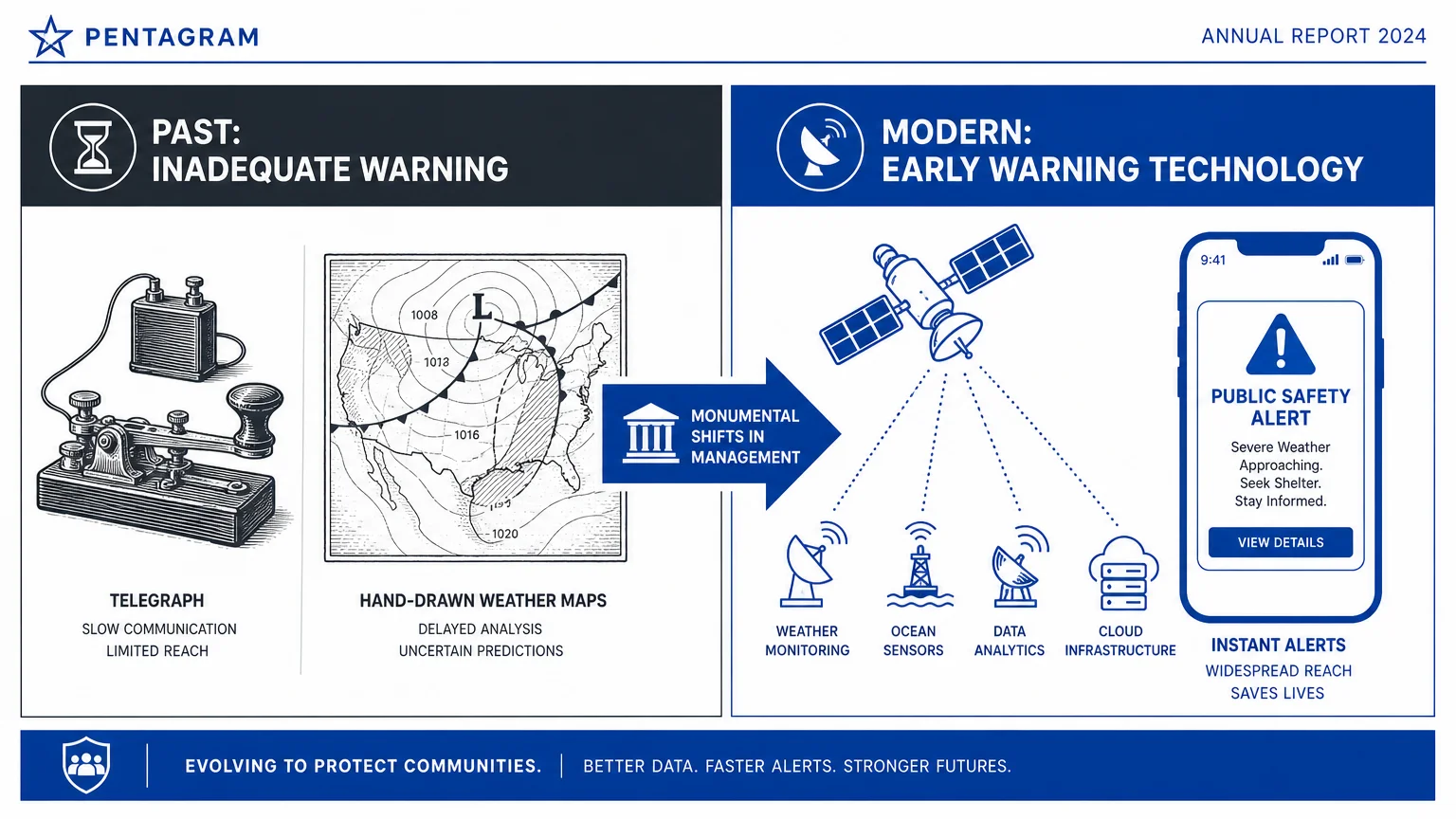
The shift from reactive disaster response to proactive early warning systems has drastically reduced global mortality rates. Bangladesh provides the most striking evidence of this success. Following the loss of 300,000 lives in the 1970 Bhola Cyclone, the government established the Cyclone Preparedness Programme. They strategically built thousands of multi-story concrete cyclone shelters equipped with dedicated water supplies. They also trained a massive network of local volunteers to disseminate megaphone warnings immediately upon receiving radio broadcasts. When the similarly powerful Cyclone Sidr struck the exact same delta region in 2007, the death toll was strictly contained to roughly 3,500 people. This represents an incredible triumph in community-based disaster risk reduction.
Modern building codes represent another crucial reform driven by historical disasters. Recognizing that roof failure immediately precedes total structural collapse, building authorities in high-risk zones now mandate the use of galvanized hurricane straps. These simple metal brackets firmly anchor the roof trusses directly to the load-bearing concrete walls. Furthermore, modern codes require the installation of impact-resistant glass or heavy-duty storm shutters. By preventing cyclonic winds from breaching the building envelope, these precise engineering requirements prevent the sudden, explosive internal pressurization that historically tears houses apart from the inside out. Continuous advancements in satellite imagery and predictive Doppler radar also ensure that meteorologists can pinpoint landfall locations days in advance, providing you and your community with the critical lead time required to evacuate safely.