Causes & Mechanisms
To understand these survival stories, we must first understand the destructive forces involved. Each disaster operates on distinct scientific principles, creating unique and lethal environments. The survival of these individuals often depended on a precise and improbable intersection of physics, biology, and timing.
The Physics of an Atomic Blast
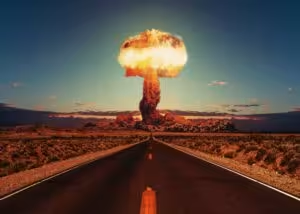
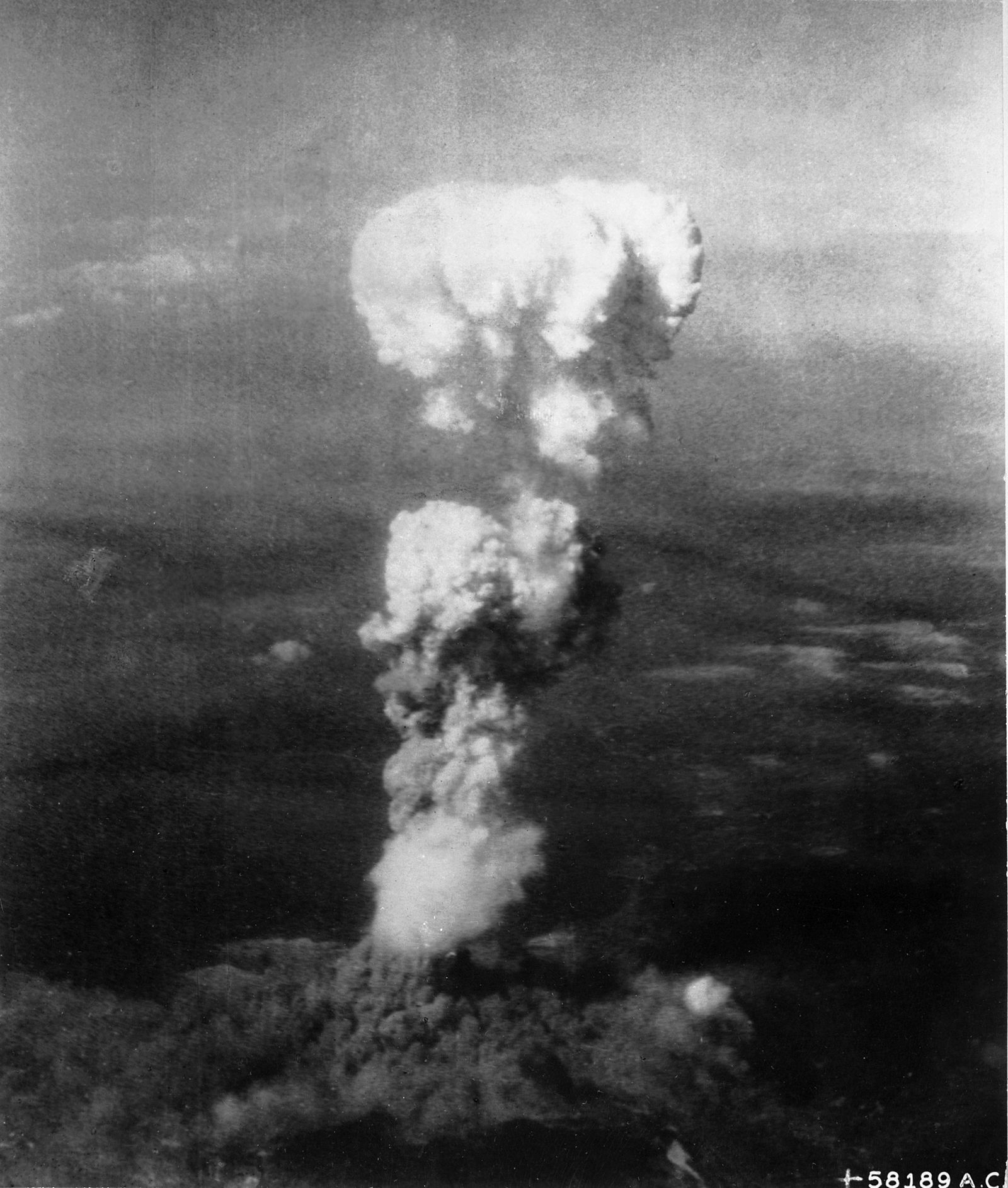
Tsutomu Yamaguchi faced a technological hazard of unprecedented scale: a nuclear detonation. The primary destructive mechanisms of an atomic bomb are the blast wave, thermal radiation, and ionizing radiation. The blast wave is a front of highly compressed air moving faster than the speed of sound, capable of leveling buildings. Thermal radiation is an intense pulse of light and heat that can cause severe burns and ignite fires miles away. Ionizing radiation, composed of gamma rays and neutrons, damages living tissue at a cellular level, causing radiation sickness.
Mr. Yamaguchi’s survival in Hiroshima was partly due to his distance from the hypocenter (the point on the ground directly below the detonation) and the brief, shielding effect of terrain or structures. In Nagasaki, his presence in a reinforced concrete building likely provided critical shielding from the initial blast and thermal pulse, demonstrating a core principle of disaster mitigation: physical barriers between a person and a hazard can drastically alter the outcome.
Aerodynamics and Extreme Falls
The survivals of Juliane Koepcke and Vesna Vulović defy conventional expectations about aviation disasters. LANSA Flight 508, carrying Koepcke, disintegrated in a severe thunderstorm. JAT Flight 367, with Vulović aboard, is widely believed to have been brought down by an explosive device. In both cases, the individuals fell from altitudes exceeding 3,000 meters (10,000 feet).
Survival in such falls is exceedingly rare and depends on several factors. First is avoiding a fatal G-force injury during the aircraft’s breakup. Second is managing the descent. Falling with a piece of wreckage, like Koepcke strapped to her seat or Vulović reportedly trapped in a fuselage section, can increase drag and slow the rate of descent. This also helps to distribute the force of impact. Finally, the landing surface is critical. Koepcke landed in the dense canopy of the Amazon rainforest, which acted as a massive, multi-layered cushion. Vulović landed on a snowy, wooded hillside, which similarly absorbed a tremendous amount of kinetic energy. These cases highlight how environmental factors can mitigate the lethality of a high-velocity impact.
The Science of Lightning Strikes
Roy Sullivan’s case involves a common but misunderstood meteorological hazard. A lightning strike is a massive electrostatic discharge. The primary dangers are not just from a direct strike. A side flash occurs when lightning hits a taller object and a portion of the current jumps to a nearby person. Ground current is the most common cause of lightning casualties; when lightning hits the ground, the electrical energy spreads out, creating a deadly voltage difference between a person’s feet.
Sullivan’s multiple strikes were a combination of direct hits and proximity events, often taking place in open areas or near trees. His survival, while statistically astounding, underscores the unpredictable nature of electrical discharges and the importance of seeking proper shelter. Each strike carried the risk of cardiac arrest, severe burns, and neurological damage, making his repeated survival a medical anomaly.
Geological Entrapment and Human Physiology
Aron Ralston’s ordeal was a result of a localized geological event: a rockfall in a slot canyon. The mechanism was simple mechanics. A large boulder, dislodged and wedged in a narrow space, applied immense pressure to his forearm, causing a crush injury. This type of injury cuts off blood flow, leading to nerve damage and tissue death (necrosis) within hours.
His survival was a battle against dehydration, hypothermia (drastic temperature swings between day and night), and the physiological shock of his injury and eventual self-amputation. This case is a stark example of a micro-disaster where the hazard is contained, but the consequences are life-threatening due to isolation. It highlights the critical role of human decision-making and physiological endurance when formal rescue is not an option.