Lessons & Reforms
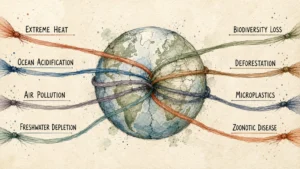
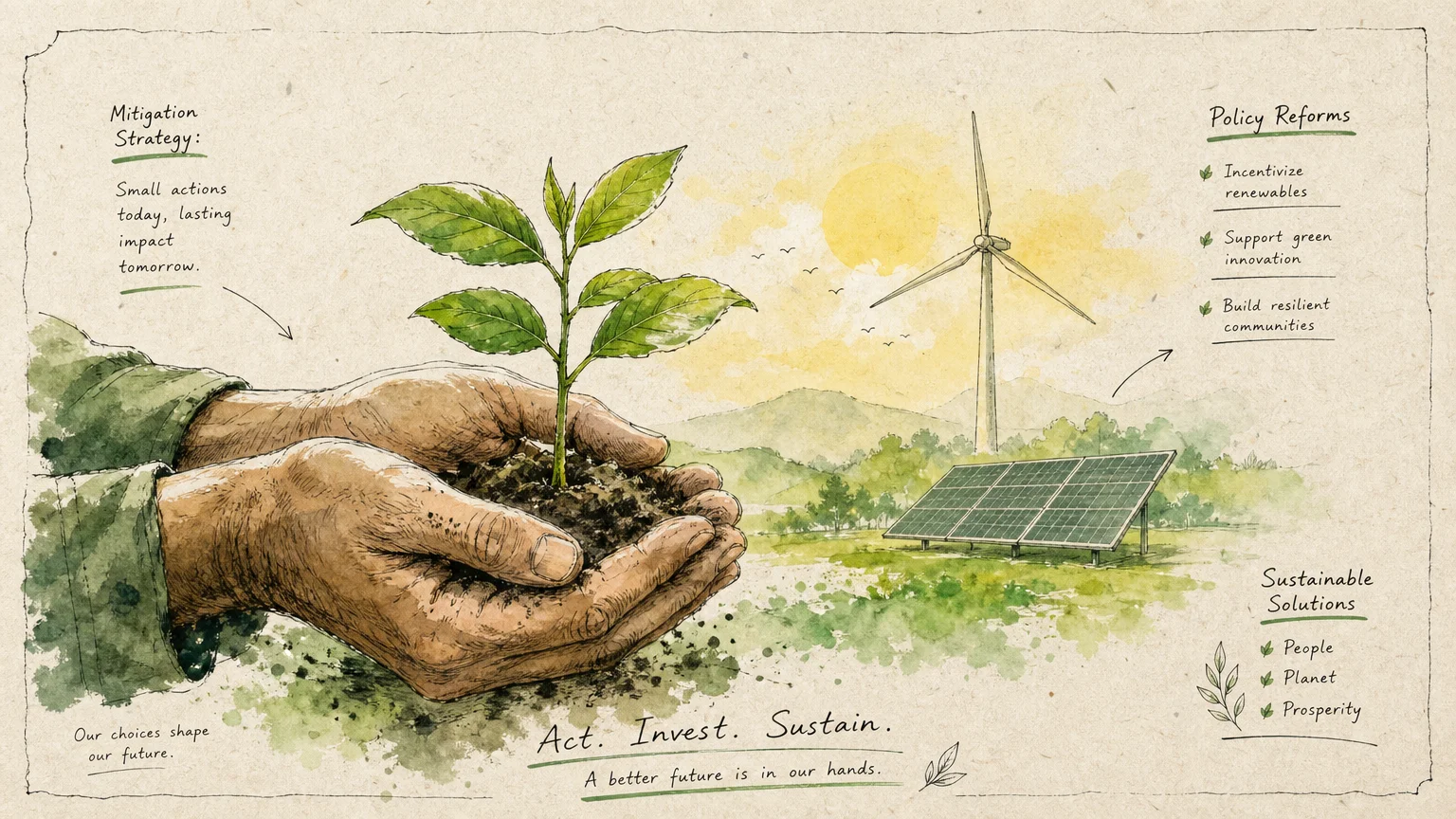
Facing the escalating reality of these eight environmental threats, engineers, urban planners, and policymakers have begun implementing profound reforms to build societal resilience. The transition from reactive disaster response to proactive risk reduction represents a fundamental shift in how modern civilization manages its relationship with the natural world.
Significant advances in environmental policy demonstrate that targeted regulatory frameworks can successfully mitigate severe ecological risks. A powerful example of effective reform is the implementation of the 1990 Clean Air Act Amendments in the United States. To combat the devastating environmental threat of acid rain, which was systematically destroying forest ecosystems and acidifying freshwater lakes, legislators implemented a market-based cap-and-trade program targeting sulfur dioxide emissions from coal-fired power plants. By establishing strict, steadily declining emission limits and allowing utility companies to trade excess emission allowances, the program incentivized rapid technological innovation, such as the widespread installation of smokestack scrubbers. Within two decades, sulfur dioxide emissions plummeted by over 90 percent compared to 1980 levels, proving that strong economic policies can swiftly reverse seemingly insurmountable environmental contamination.
In the realm of urban planning, civil engineers are fundamentally rewriting building codes to adapt to climate threats. Traditional urban environments rely heavily on gray infrastructure—impermeable concrete and centralized pipe networks—to manage stormwater. Modern planners are now integrating green infrastructure directly into the cityscape. The installation of permeable pavements allows rainwater to infiltrate the ground, reducing the volume of water rushing into overwhelmed storm sewers. Cities mandate the construction of bioswales, deep-rooted vegetative trenches that absorb runoff and filter out pollutants naturally. The proliferation of green roofs helps to insulate buildings, reducing cooling demands during extreme heat events, while simultaneously absorbing rainwater and counteracting the urban heat island effect.
To combat the rising frequency of natural hazards, meteorological agencies have drastically improved their early warning systems. Upgraded radar networks and sophisticated computational forecasting models allow authorities to predict the path and intensity of severe weather events with greater precision. Health departments now issue highly localized heat advisories, providing vulnerable populations with critical lead time to seek cooling centers and secure adequate hydration before temperatures peak.
The global response to plastic pollution is shifting toward the implementation of circular economies. Rather than relying on a linear model of extraction, production, and disposal, forward-thinking policies mandate extended producer responsibility. Manufacturers must design products for infinite recyclability or rapid, harmless biodegradation, forcing the cost of environmental cleanup back onto the polluters rather than local municipalities. While the challenges remain immense, these systemic reforms highlight a growing commitment to engineering a safer, more resilient future.
Emergency guidance at the FEMA and hazard science at the USGS and NOAA/NWS.
Public health information at the CDC and the WHO. Environmental data via the EPA.
Transport and workplace investigations via the NTSB and OSHA. Risk reduction resources at the UNDRR.