
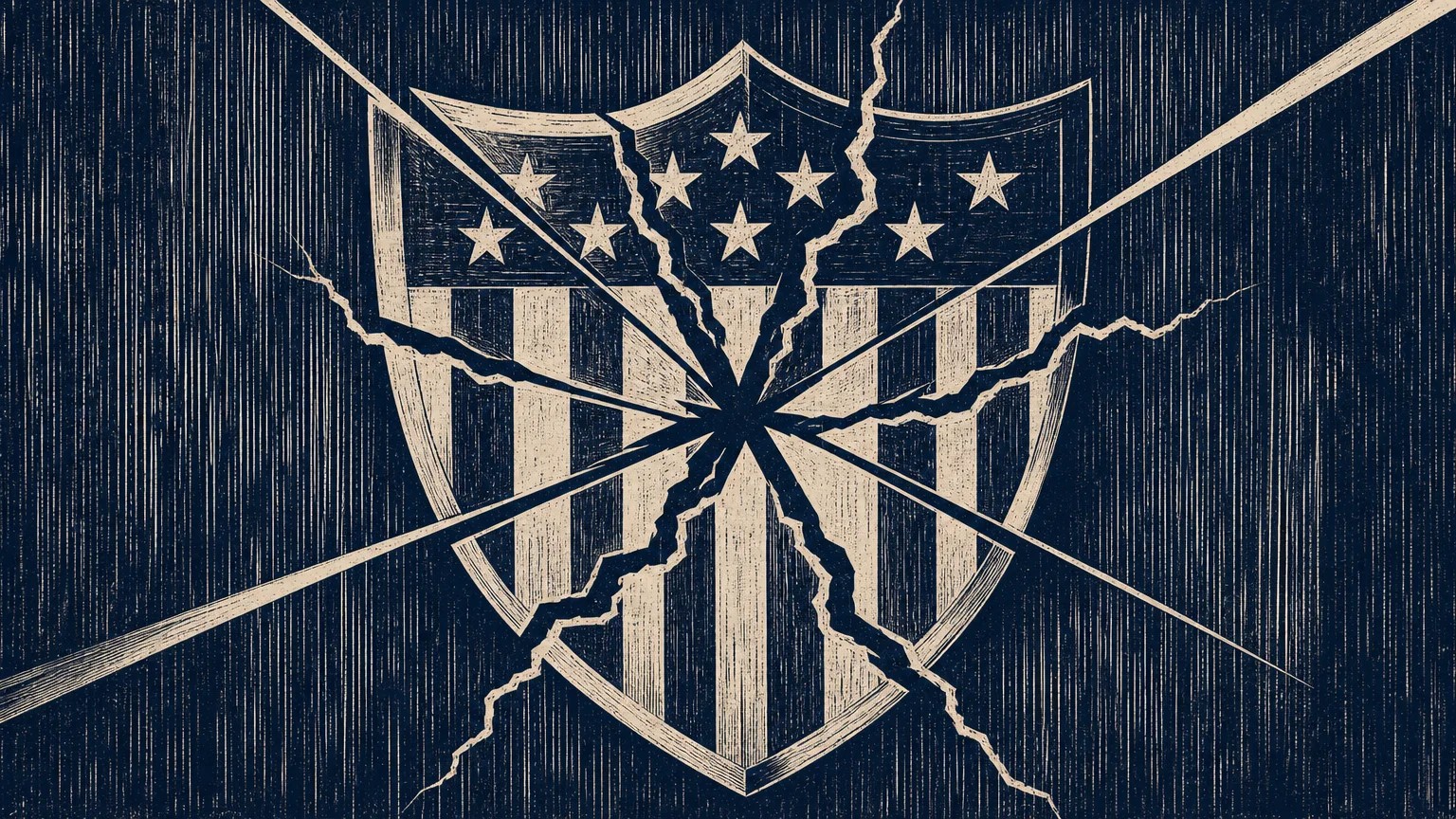
Eight sitting United States presidents have died in office, fundamentally altering the trajectory of American history. When a chief executive dies abruptly, the resulting vacuum tests constitutional continuity, national security, and public confidence. You will see how these historic presidential deaths catalyzed sweeping changes, from the establishment of the modern Secret Service to the ratification of the Twenty-Fifth Amendment. Understanding the systemic security failures and medical shortcomings behind these tragedies gives you critical insight into how protective infrastructures evolved. By examining the fatal illnesses and assassinations of these eight leaders, you trace the development of the rigorous emergency management and succession protocols that protect the republic today.
Overview
The sudden death of a national leader constitutes a severe, localized disaster with profound macro-level consequences. Throughout the history of the United States, four presidents have died from illness, and four have fallen to assassins’ bullets. William Henry Harrison, Zachary Taylor, Abraham Lincoln, James A. Garfield, William McKinley, Warren G. Harding, Franklin D. Roosevelt, and John F. Kennedy each left behind a shocked nation and a government forced into immediate crisis management. You cannot overstate the impact of these events; they disrupted legislative agendas, altered civil rights trajectories, and redefined the global geopolitical landscape.
When you analyze these eight distinct events, you uncover a recurring pattern of systemic vulnerabilities followed by rapid institutional adaptation. The earliest deaths exposed the fatal consequences of inadequate urban environmental infrastructure and primitive medical understanding. The assassinations highlighted glaring deficits in executive protection and threat intelligence. You will discover that the abrupt loss of a commander in chief forces a government to immediately modernize its succession laws, medical oversight, and national security operations.
The core takeaway remains clear: the sudden demise of a sitting president functions as a catastrophic systemic shock, invariably driving the mandatory evolution of American constitutional law and protective security frameworks.















1 thought on “8 Presidential Deaths That Changed America”
This was a very well-written and researched article. I thought I knew this information already. I did not. I learned something today. Some of the presidents I’m familiar with, were actually beneficiaries of the 25th Amendment.