Infrastructure & Environmental Effects
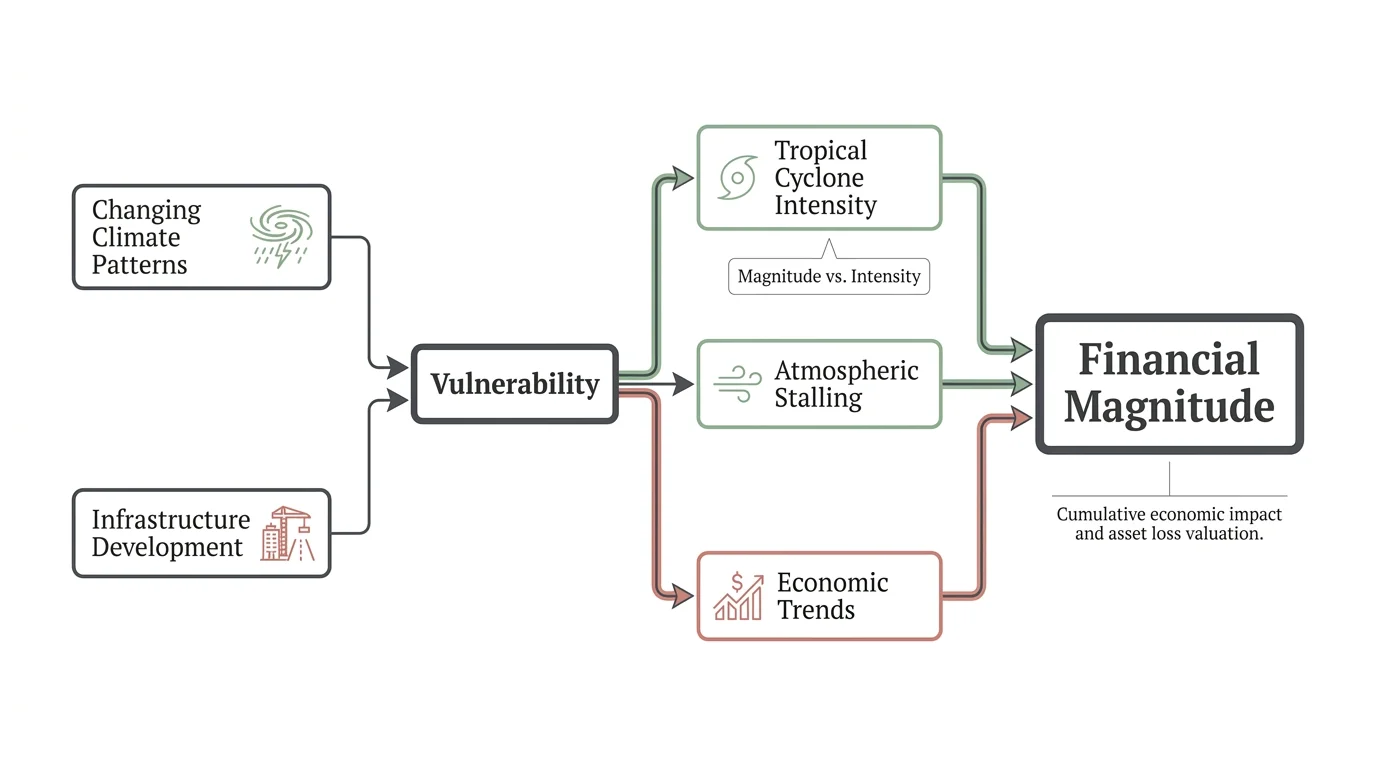
The economic magnitude of the biggest disasters USA communities face is largely dictated by the destruction of critical infrastructure. When analyzing disaster damage, experts categorize the destruction into primary vs. secondary impacts. Primary impacts encompass the immediate, direct physical destruction caused by the event—the wind tearing off a roof, the fire consuming a forest, or the floodwaters washing away a bridge. Secondary impacts encompass the cascading failures that occur because the primary infrastructure is gone. These secondary impacts include supply chain gridlock, widespread mold infestation, business bankruptcies, and extended blackouts.
Power Grid Failures and Cascading Effects
Modern society cannot function without uninterrupted electrical power. Extreme weather repeatedly exposes the fragility of the American power grid. During Winter Storm Uri in 2021, the Electric Reliability Council of Texas (ERCOT) grid faced a catastrophic mismatch between energy demand and energy supply. As temperatures plummeted, Texans turned up their heaters, driving electricity demand to record highs. Simultaneously, uninsulated natural gas wellheads froze solid, wind turbines iced over, and coal plants failed. To prevent a complete, months-long destruction of the grid hardware, operators initiated rolling blackouts that eventually became permanent outages for millions of residents. The lack of electricity subsequently caused water treatment plants to fail and pipes inside unheated homes to burst, demonstrating how a single point of failure in utility infrastructure creates a cascading wave of secondary economic damage.
Levees, Dams, and Flood Controls
Coastal and riverine cities rely heavily on massive civil engineering projects to keep water at bay. The catastrophic failure of the New Orleans levee system during Hurricane Katrina remains the most infamous infrastructure collapse in modern American history. The storm surge overwhelmed earthen levees and structural floodwalls, many of which had been constructed on sinking soils with inadequate foundational support. When these barriers failed, the city essentially became a bathtub, filling with billions of gallons of toxic floodwater. This disaster forced the federal government to radically rethink and subsequently rebuild the entire regional flood protection system at a cost of billions of dollars, utilizing advanced surge barriers and massive pumping stations designed to withstand a 100-year storm event.
Environmental Contamination
The natural disasters impact on the environment often creates long-lasting ecological hazards. Flooding events routinely overwhelm municipal wastewater treatment facilities, discharging millions of gallons of raw sewage into rivers, bays, and residential neighborhoods. Furthermore, high-velocity floodwaters frequently inundate industrial facilities. During Hurricane Harvey, the massive flooding in the Houston ship channel and surrounding industrial zones submerged multiple federal Superfund sites—areas designated for the cleanup of hazardous waste. Floodwaters swept volatile chemicals, heavy metals, and petroleum products out of these contained zones and deposited them into residential communities. The subsequent environmental remediation required to scoop out contaminated soil, test groundwater, and rebuild ecological habitats adds hundreds of millions of dollars to the final disaster bill and poses long-term health risks to the returning populations.