Infrastructure & Environmental Effects
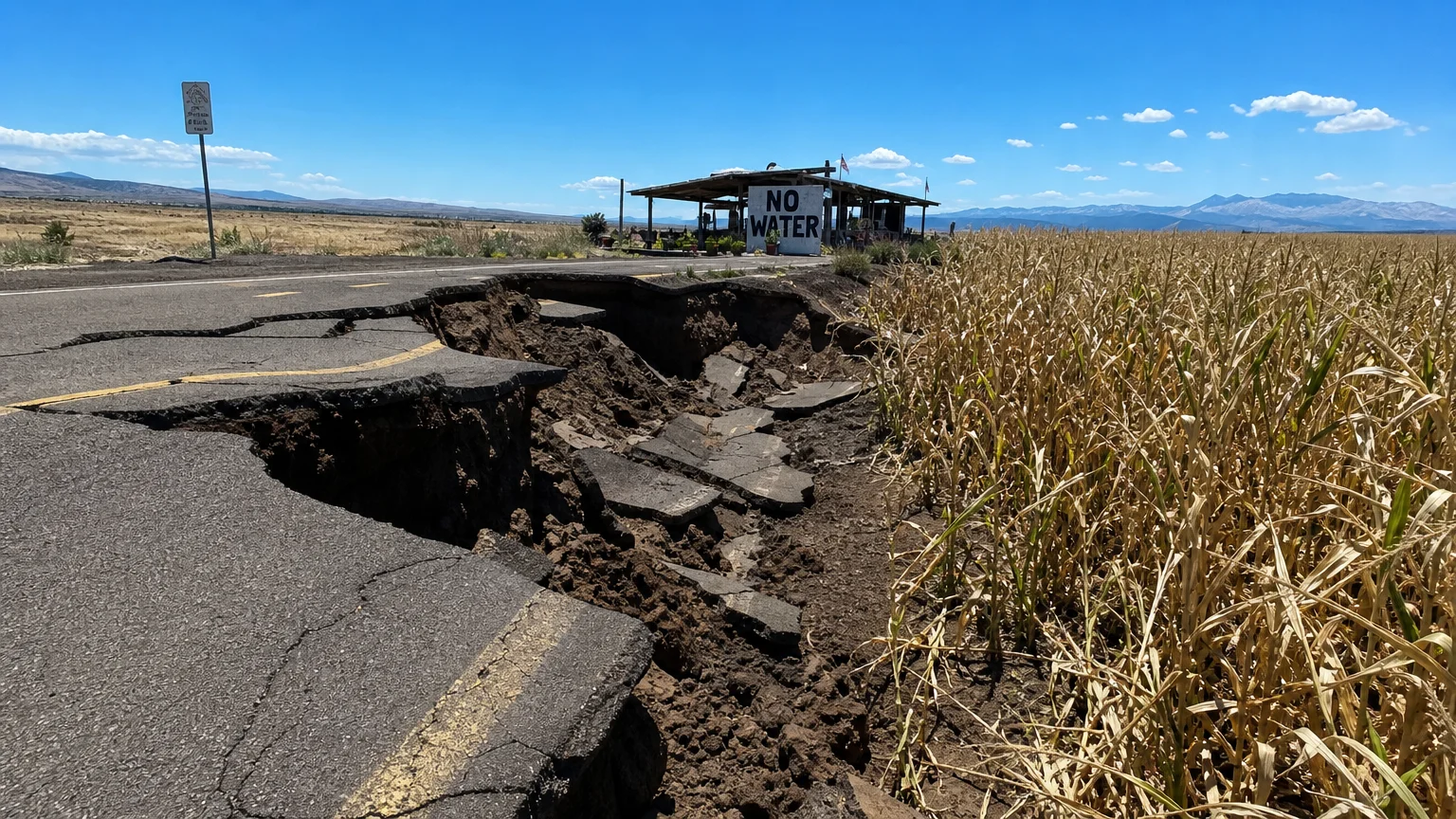
The total destruction of the built environment often determines whether a society can recover or if it will collapse into war. When a disaster obliterates critical infrastructure—such as water management systems, transportation networks, and industrial centers—the fundamental carrying capacity of the land drops. Without functional power, clean water, or safe housing, communities face an existential threat. When engineering fails and environmental remediation proves impossible, populations frequently resort to violence to secure whatever habitable land remains.
The 12th Century Megadroughts and the Ancestral Puebloan Conflicts
In the American Southwest, the Ancestral Puebloans engineered magnificent, complex stone cities within Chaco Canyon, relying on sophisticated irrigation networks to sustain agriculture in an arid climate. However, beginning in the middle of the twelfth century, the region entered a phase of severe, decades-long megadroughts. The environmental effects were absolute: water tables plummeted, stream flows ceased, and the fragile ecological balance shattered. The infrastructure, designed for a wetter climate, became entirely useless. Archaeological records indicate a sharp rise in violent trauma among human remains from this period. Faced with a complete collapse of their agricultural base, communities engaged in brutal resource wars over the few remaining springs and arable plots. Ultimately, the environmental degradation forced the complete abandonment of their monumental cities, illustrating how the failure of infrastructure under climatic stress directly drives violent societal collapse.
A similar environmental mechanism drove the collapse of the Classic Maya civilization several centuries earlier. Intense, prolonged droughts overwhelmed their extensive reservoir and canal infrastructure. As the environmental effects worsened, the elite classes, unable to guarantee water or crop yields, lost their mandate to rule. The resulting geopolitical instability triggered intense, localized warfare between Maya city-states as they fought over diminishing resources, leading to the permanent abandonment of major urban centers.
The 1815 Mount Tambora Eruption and Global Infrastructure Disruption
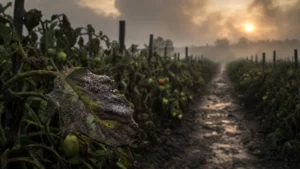
The eruption of Mount Tambora in modern-day Indonesia produced the most powerful volcanic explosion in recorded human history. The environmental effect involved the ejection of millions of tons of ash and aerosols into the stratosphere, blocking sunlight and reducing global temperatures. This triggered the 1816 “Year Without a Summer.” The rapid climate shift devastated global agricultural infrastructure. In Europe, unseasonable frosts and torrential summer rains destroyed the harvests, leading to the last major subsistence crisis on the continent. The sudden collapse of the food supply chain sparked massive bread riots, arson, and violent looting across the United Kingdom, France, and Switzerland. To manage the widespread insurrection, governments deployed military forces against their own starving populations. The environmental disruption temporarily broke the agricultural infrastructure that sustained European peace, pushing several nations to the brink of civil war in the aftermath of the Napoleonic conflicts.