Infrastructure & Environmental Effects
The prosecution of World War II required the total destruction of the environments in which soldiers operated. Military strategies deliberately targeted civic infrastructure, transportation networks, and industrial centers. This created toxic, ruined landscapes that severely compounded the physical suffering of the troops on the ground.
When armies destroy dams, level cities with incendiary bombs, and shatter industrial facilities, they inadvertently create massive secondary hazards. You must recognize that the frontline soldier lived within these ruined ecosystems, breathing toxic dust, drinking from contaminated water tables, and navigating landscapes stripped of natural resources. This brings us to the final major hardship.
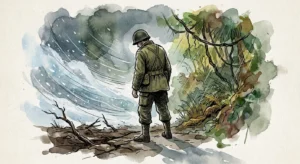
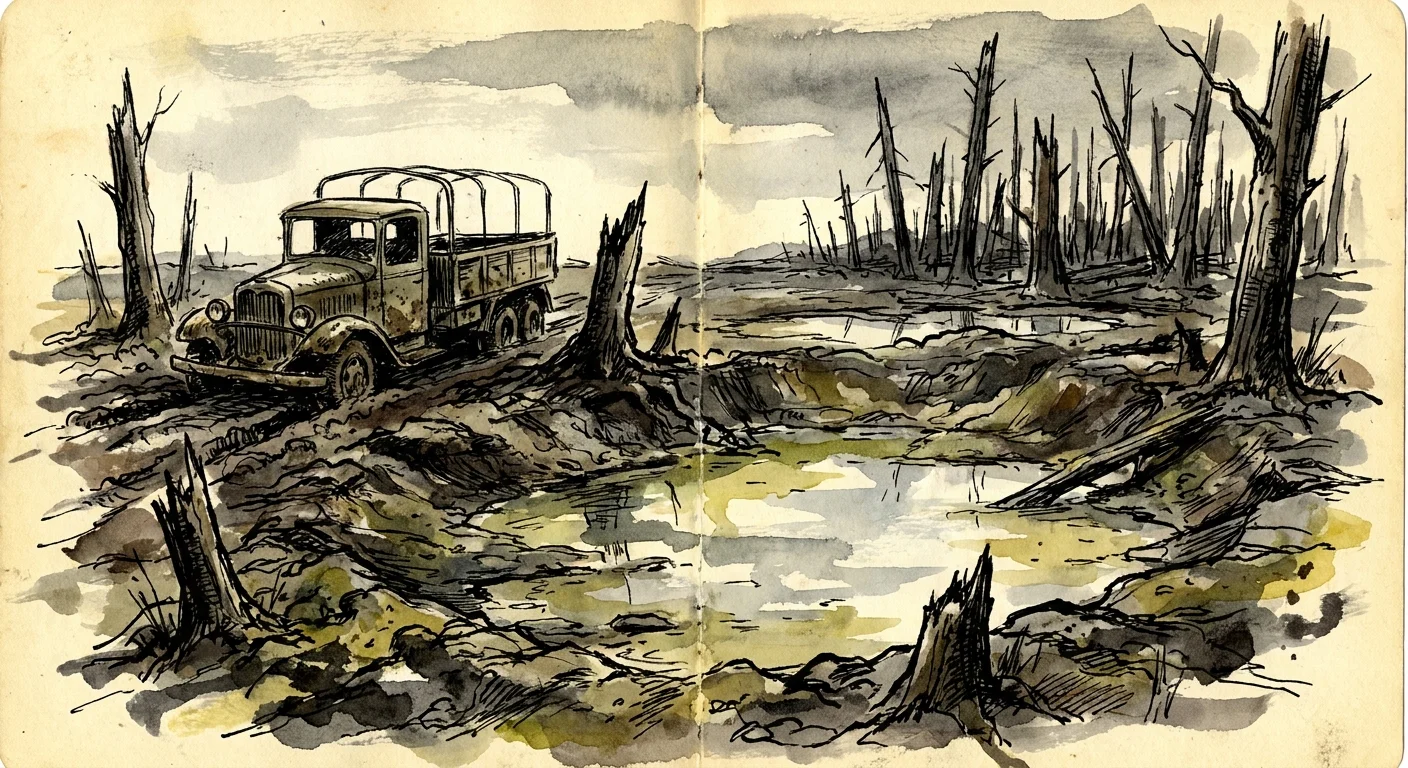
10. Toxic Environmental Exposure and Urban Ruin: As troops fought through urban centers in Europe and Asia, they inhabited the rubble of shattered civilizations. The destruction of municipal water lines meant that fresh water instantly mixed with raw sewage, requiring soldiers to rely heavily on chemical purification tablets that tasted foul and often failed to kill robust pathogens. Furthermore, artillery pulverized buildings constructed with lead paint, asbestos, and industrial chemicals. Soldiers breathed this toxic dust daily, leading to severe respiratory complications. In the Pacific, the destruction of jungle canopies by intense naval bombardments exposed the soil to torrential rains, turning islands into impassable, rotting swamps. Soldiers developed severe fungal infections, commonly referred to as “jungle rot,” which caused the skin on their extremities and groins to aggressively blister and peel away. These environmental hazards guaranteed that even in quiet sectors, the landscape itself actively deteriorated the health of the occupying forces.
The remediation of these ruined landscapes took decades. Military engineers had to function as disaster recovery specialists, attempting to restore power grids, rebuild collapsed bridges, and secure potable water supplies just to maintain their own operational capacity. The environmental degradation forced logistical commanders to treat every conquered territory not as a prize, but as an acute humanitarian disaster zone requiring massive influxes of resources to prevent widespread epidemiological collapse among both the military and civilian populations.