Infrastructure & Environmental Effects
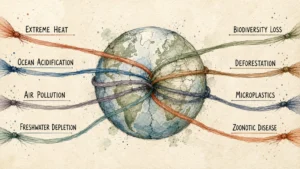
The same extreme forces that destroy the human body invariably inflict catastrophic damage on surrounding infrastructure and the natural environment. Extreme environmental hazards rarely operate in isolation; they disrupt vast geographical zones, severing transportation networks, shattering water supplies, and crippling the industrial facilities upon which modern society relies. When scientists evaluate the worst ways to die, they also document the systemic collapse of the victim’s surroundings.
Nuclear meltdowns provide the most stark example of long-term environmental devastation. When a reactor core breaches, massive plumes of radioactive isotopes eject into the atmosphere, settling across thousands of square miles. The resulting exclusion zones remain uninhabitable for decades or even centuries. Heavy metals and radioactive particles embed themselves in the soil, entering the groundwater and poisoning local agriculture. Remediation steps require colossal engineering efforts, such as the construction of the massive concrete and steel sarcophagus built over the Chernobyl reactor to halt the continuous release of deadly ionizing radiation. These exclusion zones permanently alter regional ecosystems, creating toxic environments where wildlife eventually adapts but human habitation remains lethal.
Volcanic eruptions that produce pyroclastic flows cause absolute total infrastructure obliteration. The intense thermal shock and sheer kinetic force of the advancing gas cloud shatter reinforced concrete, warp steel bridge girders, and incinerate entire forests instantly. Volcanic ash, a highly abrasive pulverized glass, clogs jet engines, suffocates internal combustion engines in response vehicles, and collapses building roofs under its massive accumulated weight. The secondary environmental consequences include lahars—violent mudflows generated when volcanic heat melts glacial ice—which follow river valleys, burying downstream communities and severing critical fresh water pipelines.
Extreme thermal heatwaves violently stress modern urban environments. Prolonged heat extremes buckle railway lines, causing disastrous train derailments. High temperatures melt asphalt, trapping vehicles and halting emergency logistics. Power grids face unprecedented strain as populations activate air conditioning systems simultaneously, frequently leading to catastrophic rolling blackouts. When the power grid fails during a severe heatwave, the interior of concrete residential buildings rapidly reaches deadly wet-bulb temperatures, trapping vulnerable individuals in lethal microclimates. Environmental recovery from such events requires extensive urban redesign, including the planting of deep-rooted tree canopies and the installation of highly reflective roofing materials to mitigate the urban heat island effect.