Human Impact & Response
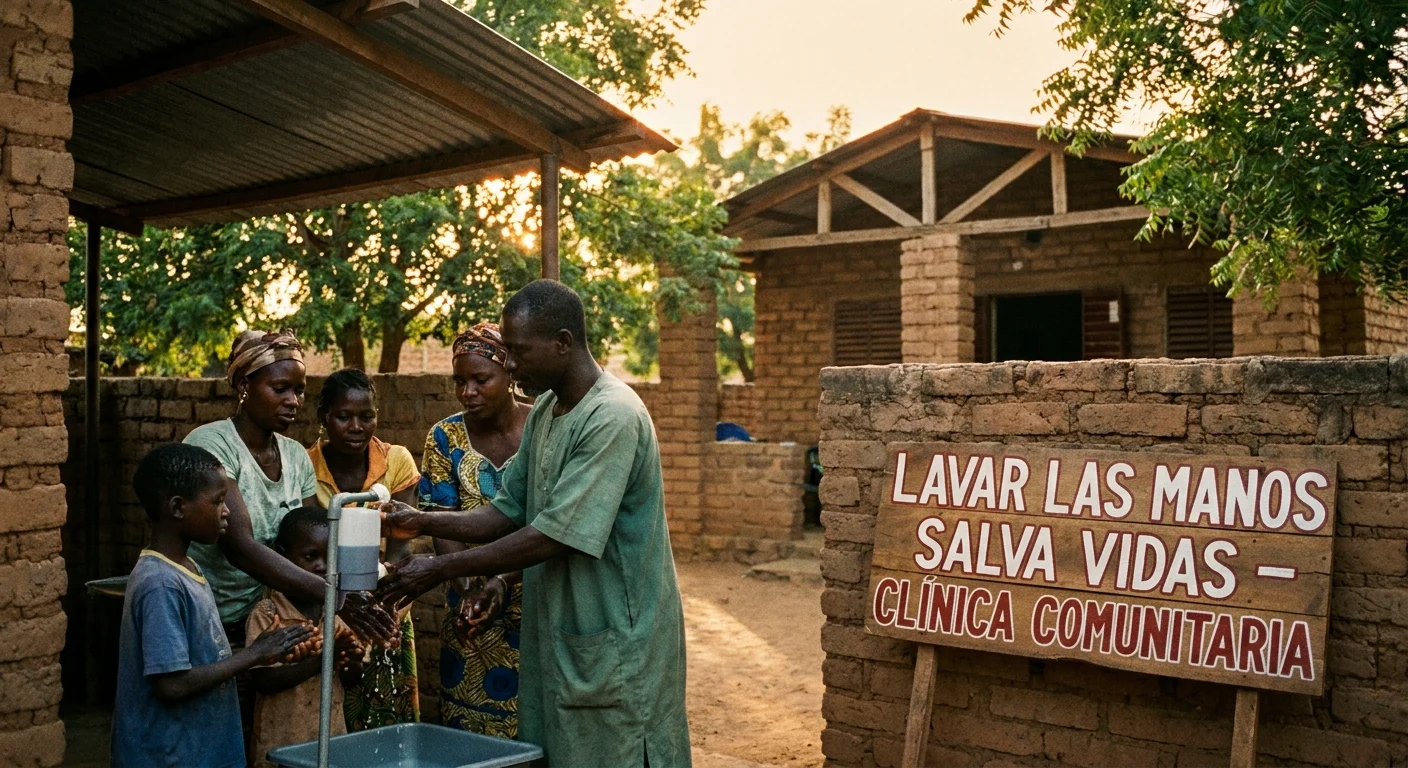
When deadly viruses infiltrate communities, the immediate human toll extends beyond mortality. Viral diseases trigger cascading public health emergencies that require massive logistical responses, including localized quarantines, specialized treatment centers, and vast public communication campaigns. Managing these outbreaks demands strict adherence to infection control protocols and immense courage from frontline healthcare workers who treat the infected under highly dangerous conditions.
7. Ebola Virus
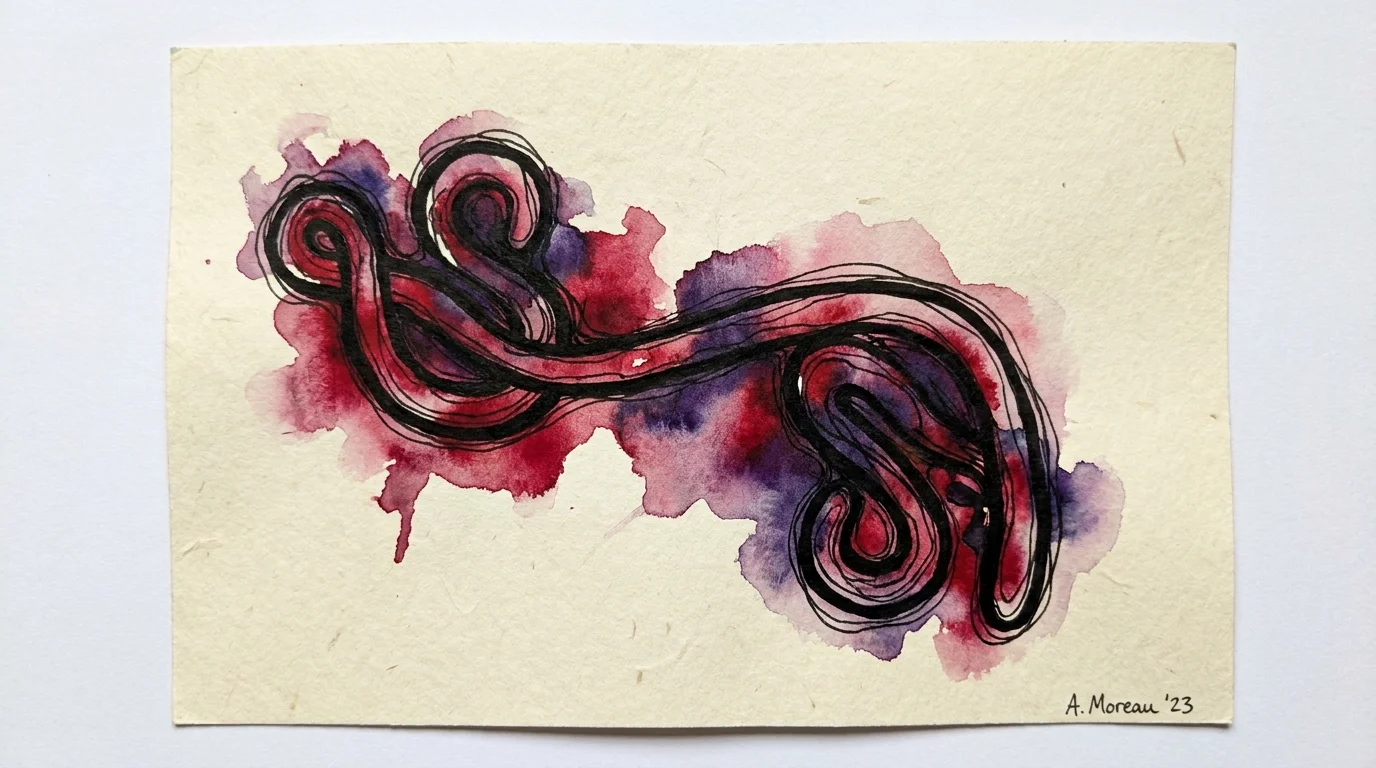
The Ebola virus, another member of the Filoviridae family, commands a fearsome reputation due to its severe symptoms and high mortality rate. Like Marburg, Ebola causes severe hemorrhagic fever, vomiting, and profound fluid loss. Transmission occurs strictly through direct contact with the blood, bodily fluids, or tissues of an infected person or animal. Because the viral load in a patient’s fluids peaks at the time of death, the most dangerous moments of transmission often occur during caregiving and traditional funeral practices.
The human impact reached catastrophic levels during the 2014–2016 West Africa outbreak. The virus swept through Guinea, Liberia, and Sierra Leone, exploiting porous borders and fragile healthcare infrastructure. Over 28,600 people contracted the disease, and more than 11,300 died. The response required unprecedented international coordination. Epidemiologists deployed a robust contact tracing network, mapping every individual who interacted with an infected patient. They also introduced ring vaccination strategies, vaccinating the primary and secondary contacts of every confirmed case to create a buffer of immunity. Concurrently, response teams collaborated with community leaders to implement safe and dignified burial protocols, physically isolating highly infectious remains while respecting local cultural practices. This specific intervention drastically reduced the transmission rate and ultimately halted the outbreak.
8. Dengue Virus
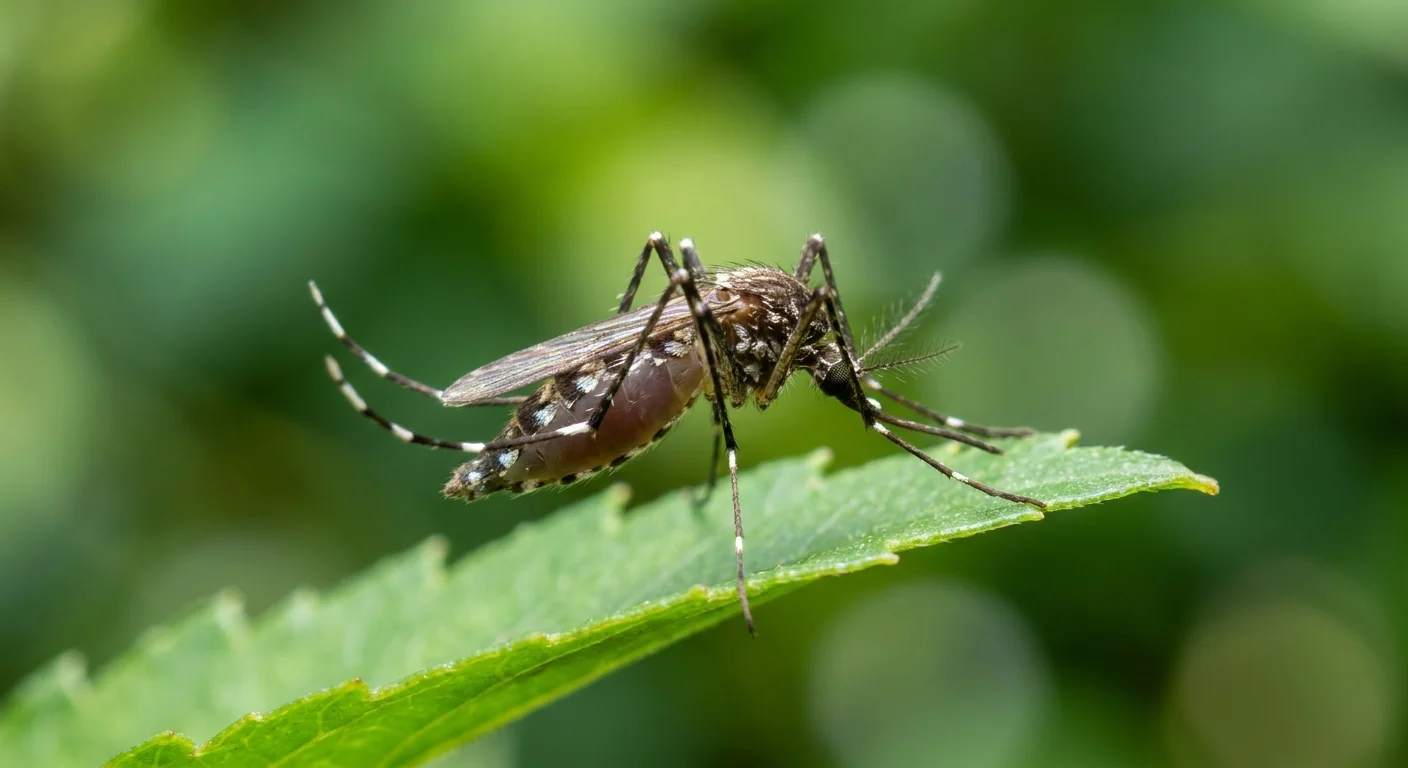
Unlike the high case fatality rates of Ebola or Rabies, the Dengue virus threatens human populations through the sheer volume of severe morbidity. Transmitted primarily by the Aedes aegypti mosquito, Dengue affects approximately 400 million people annually. The virus exists in four distinct serotypes. Contracting one serotype provides lifelong immunity to that specific strain, but paradoxically increases your risk of developing severe Dengue if you later contract a different serotype—a phenomenon known as antibody-dependent enhancement.
The human impact of Dengue manifests in severe bone and joint pain, earning it the moniker “breakbone fever.” In severe cases, patients develop Dengue Hemorrhagic Fever, leading to blood plasma leakage, respiratory distress, and organ impairment. The global response focuses heavily on vector control. Because the Aedes mosquito breeds in small pools of stagnant water, public health campaigns emphasize environmental management. Authorities coordinate neighborhood clean-ups, spray insecticides, and recently have begun introducing mosquitoes infected with Wolbachia bacteria, which significantly inhibits the insect’s ability to transmit the Dengue virus to humans.