
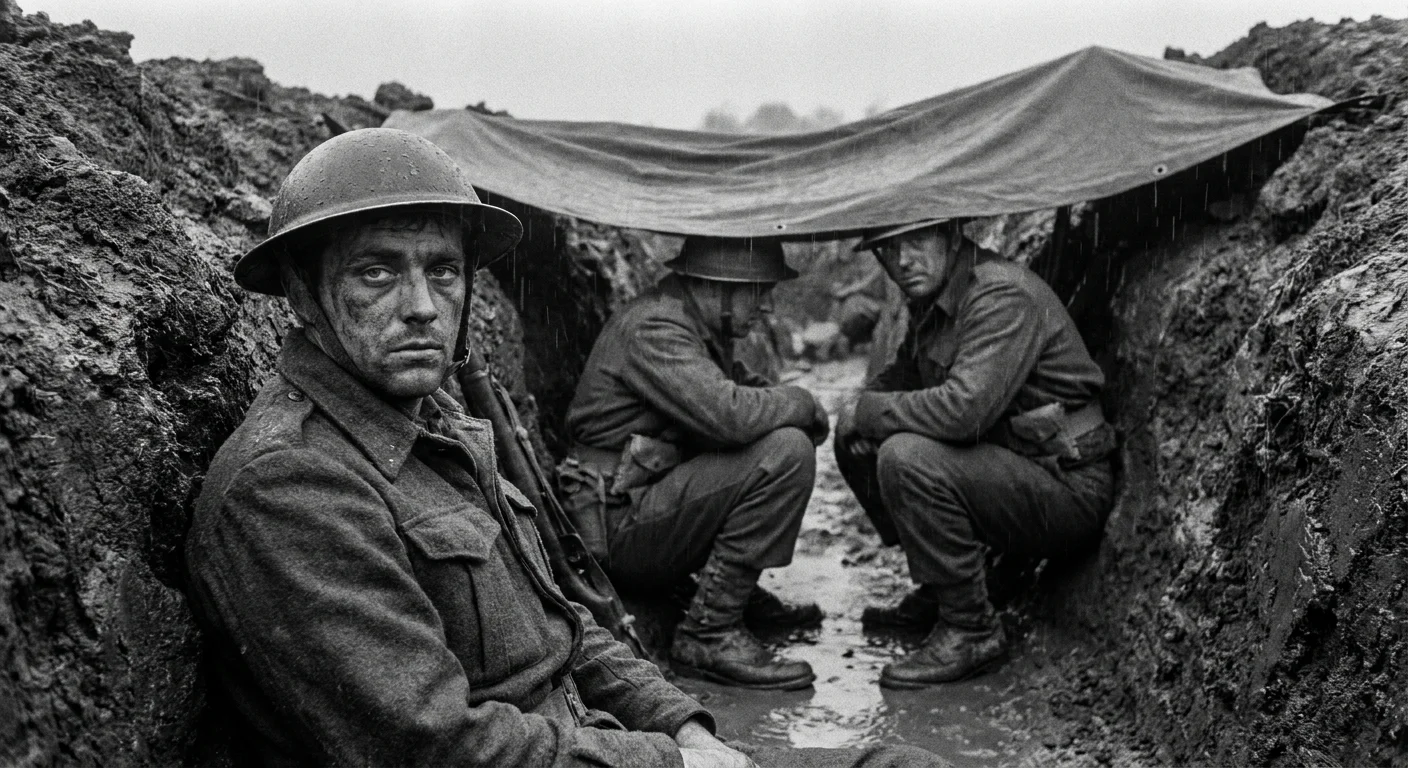
World War II subjected millions of soldiers to conditions that tested the absolute limits of human endurance. Beyond the immediate threat of enemy fire, troops fought a daily battle against microscopic pathogens, severe weather, and profound psychological trauma. Examining the historical records reveals that the most devastating hardships often occurred away from popular depictions of combat. Servicemen endured rampant infectious diseases, catastrophic environmental exposure, and psychological wounds that remained misunderstood for decades. Understanding these realities provides you with a clearer perspective on military history and the true human cost of global warfare. This analysis explores ten grueling conditions troops survived and the lasting institutional reforms they catalyzed.
Overview
When you examine the full scope of global conflict between 1939 and 1945, you quickly recognize that warfare constitutes a massive, man-made disaster zone. World War II mobilized over seventy million individuals across continents, thrusting them into environments uniquely hostile to human survival. Soldiers operated in dense, humid jungles in the Pacific Theater, freezing, snow-covered forests in Western Europe, and desolate, sun-scorched expanses in North Africa. This unprecedented deployment meant that troops faced distinct environmental and biological hazards long before they encountered an armed adversary.
Military historians and medical professionals document that non-battle casualties routinely outpaced combat injuries. The logistical demands of sustaining massive armies across oceans inevitably led to severe shortages in basic necessities, from clean drinking water to adequate winter clothing. You must view the soldier’s experience not just as a series of tactical engagements, but as a continuous struggle against systemic failures, environmental degradation, and biological threats. The military apparatus struggled to balance offensive operations with the sheer biological limits of the personnel executing them.
As you delve into the realities of this conflict, you uncover a grim landscape defined by disease, malnutrition, psychological exhaustion, and the profound destruction of the surrounding environment. To survive, individuals had to endure conditions that modern occupational and public health standards would classify as unsurvivable. By analyzing these specific hardships, you gain a deeper appreciation for the resilience of those who served. Furthermore, you see how these intense pressures forged modern emergency medicine, psychological trauma care, and logistical engineering. The following sections break down ten specific, horrific experiences that defined the daily reality for countless servicemen.















1 thought on “10 Unspeakable Things Soldiers Endured During World War II”
had the same stuff in Vietnam. Hot, Humid, Jungle, snakes, bugs, mosquitos carrying malaria, bad water and you’d have diahrea so bad that you eventually got med-e-vacced out to a field hospital. Booby traps ranging from spikes covered in feces, to snakes, to spiders. I often said, even if NOBODY was shooting at you, I can not imagine camping out for a year and “making it out of there” with no problems. I was there in 1968