Lessons & Reforms
Decades of catastrophic crop failures have forced the agricultural industry to profoundly reform its approach to managing severe summer plant diseases. The most crucial lesson learned from repeated, costly encounters with late blight and fire blight is that purely reactive treatments consistently fail against aggressive pathogens. Modern disease prevention now relies heavily on robust biological engineering, proactive environmental management, and strict regulatory frameworks to build inherently resilient agricultural systems.
Historically, growers managed diseases through rigidly scheduled, prophylactic applications of highly toxic chemical sprays. However, recognizing the severe environmental degradation and rapidly increasing pathogen resistance associated with this brute-force method, agricultural authorities implemented vital, science-based reforms. A paramount example of successful reform lies in the systemic adoption of genetic resistance through targeted selective breeding. During the mid-twentieth century, widespread outbreaks of soil-borne fungi frequently rendered entire farming regions entirely useless. In response, agricultural scientists successfully engineered and introduced VFN-resistant tomato cultivars. These specialized plants possess specific genetic markers that grant them natural, biological immunity to Verticillium wilt, Fusarium wilt, and destructive root-knot Nematodes. By transitioning your crop selection to these highly resistant cultivars, you permanently sever the infection cycle at the host level, completely eliminating the need for hazardous soil fumigants and instantly restoring the agricultural viability of previously contaminated land.
Despite these incredible biological advancements, integrated pest management (IPM) represents the single most significant policy reform in modern garden care and commercial farming. IPM mandates a comprehensive, data-driven approach to maintaining plant health. Rather than spraying chemicals blindly on a calendar schedule, you must utilize predictive disease models. Today, regional agricultural extension offices use localized, hyper-accurate temperature and humidity data to broadcast real-time blight warnings to local growers. This sophisticated early warning infrastructure allows you to deploy targeted, low-toxicity preventative measures, such as copper octanoate or organic biological biofungicides, precisely when specific weather conditions favor a pathogen outbreak, thereby drastically reducing overall chemical accumulation in the soil.
Another critical reform involves strict, unyielding crop rotation mandates. Planting susceptible host species in the exact same soil year after year creates a highly concentrated breeding ground for overwintering spores. Modern best practices dictate a strict three-to-four-year rotation cycle for highly vulnerable plant families, particularly nightshades and cucurbits. This simple yet highly effective cultural practice literally starves lingering pathogens by systematically depriving them of their required host organisms.
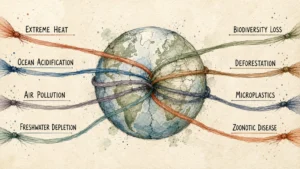
However, significant vulnerabilities remain deeply entrenched in our global food systems. As global temperatures continue to climb and summer precipitation events become increasingly volatile and severe, historically stable growing regions face entirely new ranges of virulent pathogens. The rapid migration of tropical plant diseases into previously temperate zones threatens unprepared agricultural infrastructure. Therefore, maintaining global food security requires continuous, robust funding for plant pathology research and your unwavering personal commitment to adaptive, science-based agricultural practices.