Human Impact & Response
The immediate human impact of a historical figure’s death is often profound, but the impact of their last words can resonate for centuries. These statements shape public memory, influence political narratives, and become powerful symbols. The societal response to last words involves their interpretation, mythologization, and preservation as part of a collective cultural heritage.
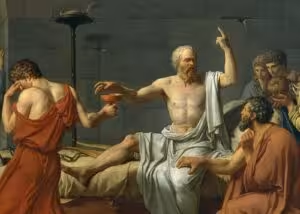
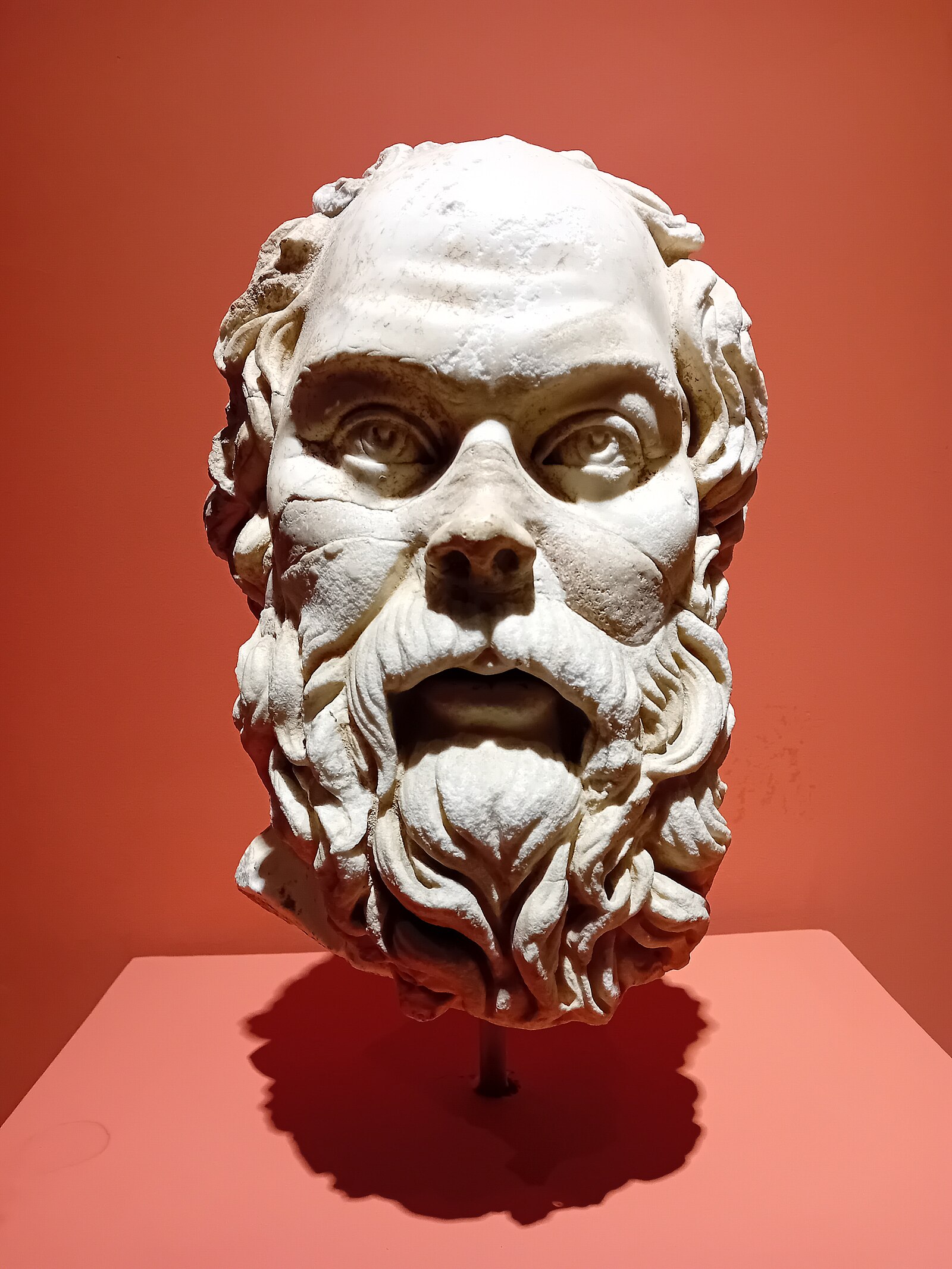
Last words frequently serve to cement a person’s legacy. Socrates’ final request to pay a debt to the god of healing reinforced his identity as a philosopher who viewed death not as an end, but as a transition. His calm acceptance became a cornerstone of his legend, inspiring countless thinkers to face adversity with reason and integrity. The impact was not just on his immediate followers but on the entire tradition of Western philosophy.
Conversely, last words can be weaponized for political purposes. The final statements of martyrs or executed political figures are often used to galvanize supporters and delegitimize the authorities who condemned them. A defiant speech from the scaffold could inspire a rebellion, while a simple, pious prayer could frame a political execution as an act of profane injustice. The public and institutional response is often a battle over this narrative. Governments might suppress the final words of dissidents, while opposition groups would work to circulate them as widely as possible.
The response of historians and the public is also a critical part of the story. The popular adoption of Shakespeare’s “Et tu, Brute?” demonstrates a preference for dramatic narrative over historical fact. The human mind is often drawn to stories that provide emotional closure and clear moral lessons. This creates a powerful demand for poignant or meaningful last words, leading to the invention or embellishment of final statements. The responsible historical response is to apply critical analysis, comparing sources and acknowledging where the record is uncertain or silent, as in the case of Abraham Lincoln.
Ultimately, the enduring impact of last words lies in their ability to humanize distant historical figures. Marie Antoinette’s apology for stepping on her executioner’s foot or Socrates’ concern over a small, unpaid debt strips away the layers of myth and politics. It reminds us that history is made by individuals, and their final moments can reveal a shared humanity that transcends time.