Lessons & Reforms
Every disaster, and every story of survival, offers lessons that can inform policy, engineering, and personal behavior to mitigate future risk. The experiences of these five individuals are connected to significant reforms and a deeper understanding of safety.
Nuclear Age and Global Policy
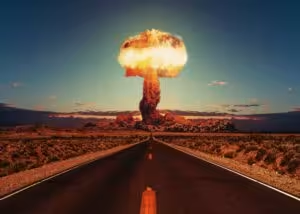
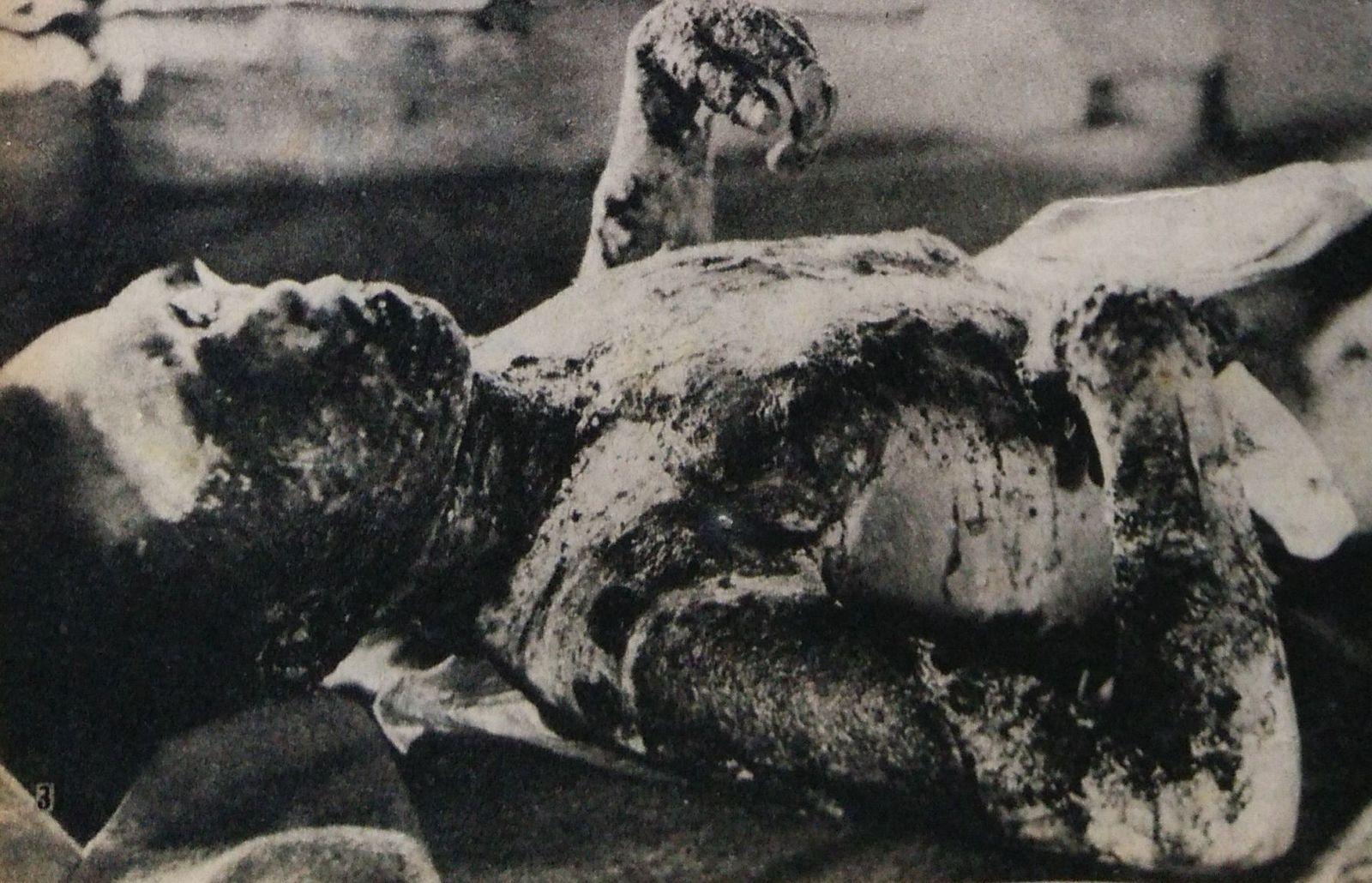
The survival of Tsutomu Yamaguchi and other hibakusha provided a human face to the devastating power of nuclear weapons. Their testimonies were crucial in the global movement for nuclear disarmament and non-proliferation. The primary lesson was that such weapons create disasters so absolute that no meaningful emergency response is possible. This has shaped international relations and led to the creation of treaties and organizations, supported by bodies like the UNDRR, aimed at preventing their use. On a technical level, the effects on structures in Hiroshima and Nagasaki provided invaluable data for civil defense engineering and the design of hardened shelters.
Aviation Safety and Crashworthiness
The crashes of LANSA Flight 508 and JAT Flight 367 contributed to a growing body of knowledge about aviation safety. Investigations into such events drive continuous improvement in aircraft design and regulation. A key lesson from mid-air breakups is the importance of “crashworthiness”—designing aircraft components to protect occupants as much as possible during an accident sequence. This includes stronger seats and restraints, and the analysis of wreckage to understand structural failure points.
A mini-example of reform is the mandatory implementation of Cockpit Voice Recorders (CVRs) and Flight Data Recorders (FDRs), often called “black boxes.” While already in use in the 1970s, their importance was reinforced by accidents where the cause was uncertain. Data from FDRs allows investigators to reconstruct an aircraft’s final moments, identifying mechanical failure, weather impacts, or other causes. This data leads directly to Airworthiness Directives—legally enforceable rules from aviation authorities that mandate modifications to aircraft to correct an unsafe condition.
Wilderness Preparedness and Personal Responsibility
Aron Ralston’s story became a powerful, albeit extreme, lesson in personal preparedness for outdoor recreation. It is now a standard case study in wilderness first aid and survival courses. The key takeaways are straightforward but critical: 1) Always tell someone your exact trip plan and your expected return time. 2) Carry the “Ten Essentials,” including extra food, water, navigation tools, and a reliable emergency communication device like a personal locator beacon. 3) Understand the specific environmental hazards of your destination. This incident reinforced the principle that in remote areas, an individual’s own knowledge and preparation are the first and most important line of defense.
Lightning Safety and Public Awareness
Roy Sullivan’s experiences, while an outlier, serve to highlight the very real dangers of lightning. Public safety campaigns by the National Weather Service, such as the slogan “When Thunder Roars, Go Indoors,” are a direct result of understanding the risks illustrated by cases like his. The lesson is that no place outside is safe during a thunderstorm. Reforms have included updating building codes to require lightning protection systems on certain structures and improving public alert systems that provide advance warning of severe weather. This also applies to workplace safety, where agencies like OSHA provide guidance for protecting outdoor workers.
Public health information at the CDC and the WHO. Environmental data via the EPA.
Transport and workplace investigations via the NTSB and OSHA. Risk reduction resources at the UNDRR.