Timeline
The story of the Bermuda Triangle is not a chronicle of a single disaster, but a timeline of myth-making. It traces how a series of unrelated incidents, some tragic and real, others embellished or entirely fictional, were woven together into a compelling narrative of paranormal mystery. This timeline focuses on the creation of the legend itself.
Early Seeds and Precursors
While strange stories of the sea have existed for centuries, the specific focus on this region began to coalesce in the mid-20th century. An article by E. V. W. Jones for the Associated Press in 1950 noted a series of ship and plane losses in the area, highlighting the disappearance of Flight 19. Two years later, in 1952, Fate magazine published an article by George Sand titled “Sea Mystery at Our Back Door,” which covered the loss of several vessels and aircraft, including Flight 19, and laid the groundwork for a unifying paranormal theory.
1964: The Naming of the Triangle
The phenomenon was given its definitive name and boundaries in a 1964 article in Argosy, a pulp magazine. The piece, written by Vincent Gaddis and titled “The Deadly Bermuda Triangle,” drew a triangular shape on the map with its points at Miami, San Juan, and the island of Bermuda. Gaddis compiled a list of disappearances from previous articles and added others, solidifying the idea that these events were geographically linked and part of a singular, recurring mystery. His work became the foundational text for nearly all subsequent writing on the subject.
1974: The Myth Goes Mainstream
The Bermuda Triangle legend exploded into a global cultural phenomenon with the publication of Charles Berlitz’s book, The Bermuda Triangle, in 1974. The book sold millions of copies and became a worldwide bestseller. Berlitz presented a long list of incidents, often blending fact with unsubstantiated rumor and outright fiction. He proposed speculative theories involving aliens, portals to other dimensions, and technology from the mythical city of Atlantis. While widely criticized by researchers and scientists for its inaccuracies, Berlitz’s book cemented the Triangle as a permanent fixture in paranormal lore.
Case Study: The Disappearance of Flight 19
The most famous incident associated with the Bermuda Triangle is the loss of Flight 19 on December 5, 1945. The event is often portrayed as a mysterious vanishing in perfect weather, but the official U.S. Navy investigation and radio transcripts tell a story of human disorientation and escalating crisis, not supernatural intervention.
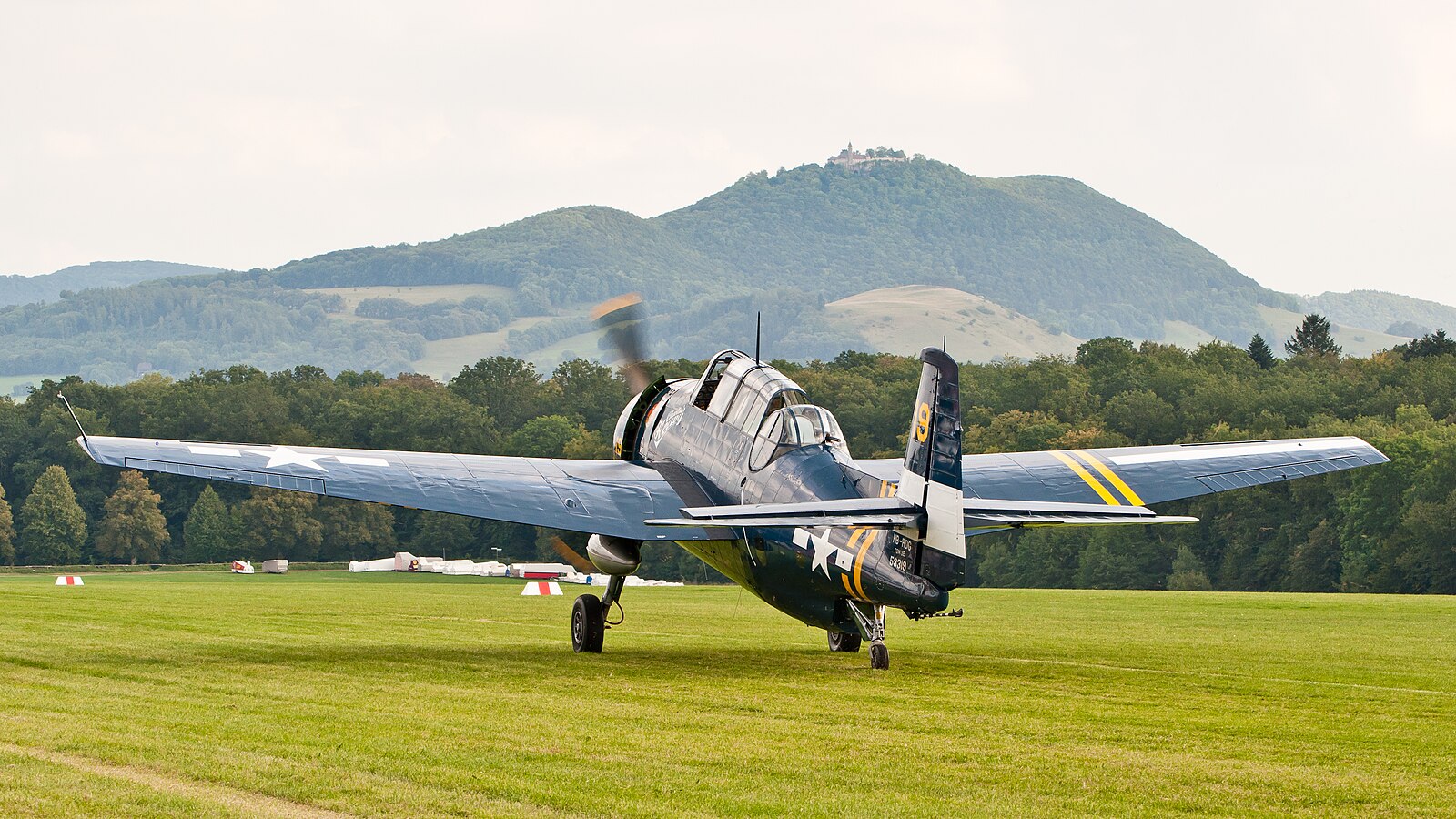
The Mission: Five TBM Avenger torpedo bombers, collectively known as Flight 19, departed from Naval Air Station Fort Lauderdale, Florida, for a routine overwater navigation and combat training exercise. The flight was led by an experienced pilot, U.S. Marine Corps Lieutenant Charles C. Taylor, though he was a recent transfer to the area. The other four pilots were students.
The Developing Crisis: About an hour and a half into the flight, Lt. Taylor reported that he was lost. He believed his compasses were malfunctioning and that he was over the Florida Keys, far south of his actual position. In reality, evidence suggests he was east of the Florida peninsula, over the Bahamas. Radio communications reveal a growing confusion. When another pilot suggested flying west, which would have taken them to land, Taylor, convinced he was over the Gulf of Mexico, overruled him and ordered the flight to continue northeast, taking them deeper into the Atlantic Ocean.
The Environment: Contrary to many popular accounts, the weather was not calm. It was already deteriorating by the afternoon and was forecast to become turbulent. By the time Flight 19 was lost, seas were high and winds were strong, creating a challenging environment for any potential ditching at sea. The sun had set, and the pilots were flying into darkness over a rough, featureless ocean.
The Search and Secondary Loss: An extensive search and rescue operation was launched. During this search, a PBM Martin Mariner flying boat, sent to look for Flight 19, also disappeared. The Mariner, with 13 crewmen aboard, vanished from radar. This second loss is often added to the Flight 19 mystery. However, the Martin Mariner had a known history of catastrophic failure; it was nicknamed the “Flying Gas Tank” because fuel vapors could accumulate in the fuselage, and a single spark could cause a massive explosion. A tanker ship in the area, the SS Gaines Mills, reported seeing a large fireball in the sky and an oil slick on the water at the exact time and location of the Mariner’s disappearance. The most probable cause was a mid-air explosion, a tragic accident but not an unexplainable one.
The Navy’s final report initially blamed pilot error on Lt. Taylor’s part. After requests from his family, this was later amended to “cause unknown” to avoid assigning blame without the recovery of the aircraft. The story of Flight 19 is a profound tragedy, but one rooted in navigational confusion and severe weather, not in a paranormal force.