Human Impact & Response
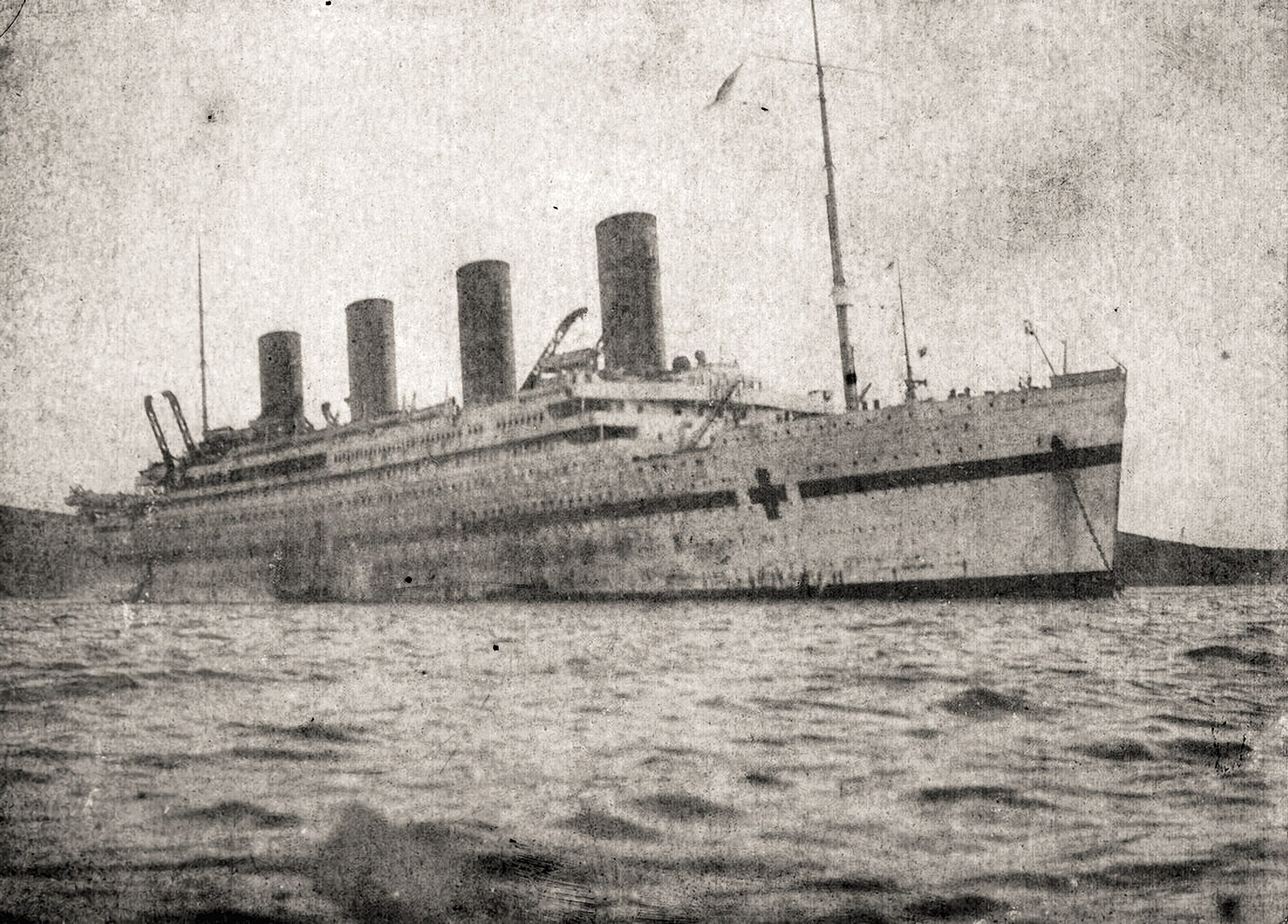
Despite the terrifying speed of the sinking, the human cost of the Britannic disaster was significantly lower than that of its sister ship. Of the 1,065 souls on board, 30 people lost their lives. While every loss was a tragedy, the survival of over 1,000 people stands in stark contrast to the more than 1,500 who perished with the Titanic. Several factors contributed to this higher survival rate.
First, the environmental conditions were far more favorable. The sinking occurred in the relatively warm waters of the Aegean Sea, with a water temperature of around 70 degrees Fahrenheit (21 degrees Celsius), which greatly reduced the risk of fatal hypothermia. This was a critical difference from the near-freezing North Atlantic waters where the Titanic sank.
Second, the disaster took place in broad daylight, at around 9:00 AM. The clear visibility aided both the evacuation and the subsequent rescue efforts. Third, the ship was close to land and in a known shipping lane. The distress calls were received quickly, and rescue vessels, including the British destroyer HMS Scourge and the armed boarding steamer HMS Heroic, were able to reach the scene within two hours. Local Greek fishermen were the first to arrive, pulling survivors from the water and from lifeboats.
Finally, the nature of the ship’s mission meant there were no passengers in the traditional sense. The people on board were disciplined crew and medical personnel who were trained to respond to emergencies. This likely resulted in a more orderly, though still frantic, evacuation process compared to a vessel filled with civilians. The improved lifeboat davits also played a role, allowing boats to be launched efficiently from the starboard side.
The 30 deaths were almost all directly attributable to the two lifeboats that were destroyed by the ship’s propellers. This incident serves as a grim example of human factors in disaster analysis. The term refers to how human performance, decisions, and behavior can contribute to an event. In this case, the unauthorized lowering of lifeboats while the ship was still underway, combined with the Captain’s attempt to beach the vessel, created a deadly hazard that overshadowed the sinking itself.
The survivors were taken to the nearby island of Kea and later transferred to other Allied ships. The response was swift and effective, a testament to the presence of naval assets in the area during wartime. The care for the wounded and the organization of the survivors demonstrated a level of preparedness that was absent in the isolated, peacetime sinking of the Titanic.
Emergency guidance at the FEMA and hazard science at the USGS and NOAA/NWS.
Public health information at the CDC and the WHO. Environmental data via the EPA.