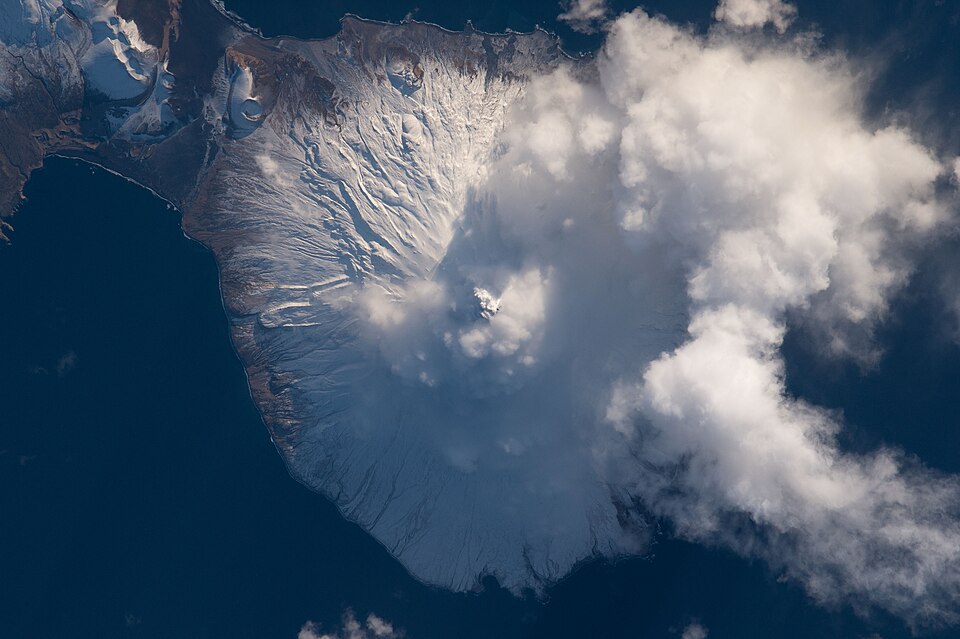
Overview of Volcanic Risk in the United States
The United States is home to 161 active volcanoes, a geologic reality that places numerous communities and critical infrastructure within reach of a potential eruption. While spectacular and powerful, these natural disasters are not random events. They are the products of immense geologic forces, and their behavior can be monitored and, to a degree, forecasted. Understanding which volcanoes pose the greatest risk is a critical first step in mitigating their potential impact on lives and livelihoods.
Volcanic risk is not simply about the size of a potential eruption. A massive eruption in a remote, unpopulated region may pose less of a direct threat to humans than a smaller eruption from a volcano located near a major city or a vital economic corridor. The United States Geological Survey (USGS) assesses this risk through its National Volcano Threat Assessment. This evidence-led analysis considers factors like a volcano’s eruptive history, the hazards it can produce, and its proximity to people, property, and essential resources like aviation routes.
The USGS categorizes volcanoes into five threat levels, from Very Low to Very High. This article focuses on five volcanoes from the “Very High Threat” category, a group of 18 volcanoes that demand the most robust monitoring and preparedness efforts. We will explore the specific hazards each one presents, from swift pyroclastic flows to destructive volcanic mudflows known as lahars, and examine the scientific work being done to provide early warnings.
The goal is not to incite fear, but to foster awareness and respect for the powerful natural systems that shape our planet. By understanding the geology beneath our feet and the measures in place to protect communities, we can better prepare for the possibility of future natural disasters. The key takeaway is that through science, monitoring, and community preparedness, the risks associated with living near these geologic giants can be significantly reduced.