Frequently Asked Questions (FAQs)
Is the Yellowstone supervolcano going to erupt in my lifetime?
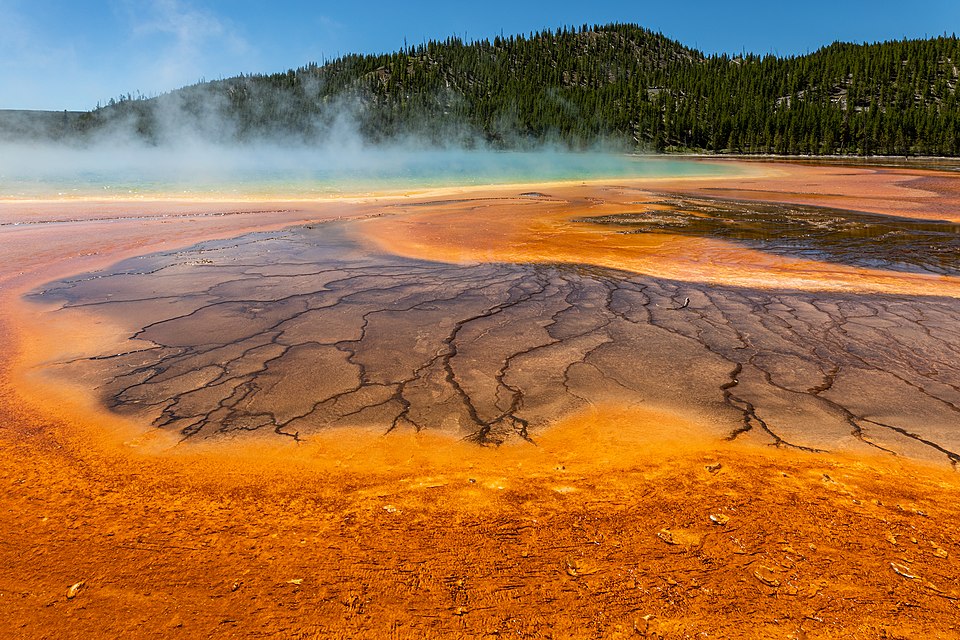
It is extremely unlikely. The USGS and the Yellowstone Volcano Observatory have found no evidence of an impending eruption. The annual probability of a supereruption is estimated to be about 1 in 730,000. The more probable hazards at Yellowstone are much smaller hydrothermal explosions and strong earthquakes.
What would happen if Mount Rainier erupted?
The single greatest threat from a Mount Rainier eruption is not the explosion itself, but the formation of massive lahars (volcanic mudflows). These flows could travel rapidly down river valleys, inundating communities like Orting, Puyallup, and Sumner. An effective early warning system and practiced evacuation routes are the primary tools for protecting these at-risk populations.
Can we stop a volcano from erupting?
No, there is currently no technology capable of preventing or stopping a volcanic eruption. The forces involved are immense and originate deep within the Earth. Global scientific efforts are focused on improving our ability to monitor volcanic activity, forecast eruptions, and mitigate their impacts through early warnings and community preparedness.
What is the most active volcano in the USA?
Kīlauea in Hawaii is one of the world’s most active volcanoes, characterized by frequent and sometimes long-lived effusive lava flows. In the contiguous United States, Mount St. Helens in Washington has been the most active in recent history, with its major 1980 eruption and subsequent dome-building activity from 2004 to 2008.
How can I prepare for a volcanic eruption?
Preparation starts with understanding your local risk. Learn if you are in a designated volcanic hazard zone and know your community’s evacuation routes. Prepare a “go-bag” with essentials like water, food, a first-aid kit, and a battery-powered radio. Sign up for official emergency alerts from your local authorities to ensure you receive timely warnings.
Do volcanoes affect the climate?
Yes, large explosive eruptions can have a temporary impact on the global climate. They inject large quantities of sulfur dioxide gas into the stratosphere, which converts into sulfate aerosols. These tiny particles reflect sunlight back into space, causing a modest cooling effect at the Earth’s surface that can last for one to three years, as demonstrated by the 1991 eruption of Mount Pinatubo in the Philippines.
Emergency guidance at the FEMA and hazard science at the USGS and NOAA/NWS.
Public health information at the CDC and the WHO. Environmental data via the EPA.
Transport and workplace investigations via the NTSB and OSHA. Risk reduction resources at the UNDRR.
This article is for informational purposes only and is not a substitute for official emergency guidance. Conditions, policies, and scientific understanding can change rapidly. Always verify information with official agencies like the USGS and your local emergency management authority.