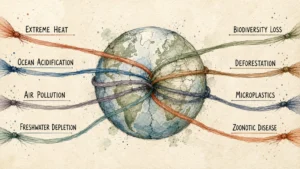
Understanding the most extreme ways the human body can fail provides crucial insights into survival, medical science, and hazard engineering. Science reveals that extreme environmental shifts—such as sudden depressurization, acute radiation syndrome, and severe thermal exposure—inflict profound physiological damage that overrides your innate survival mechanisms. When you examine the worst ways to die according to science, you uncover a complex interaction between extreme physics and human biology. Mortality research does more than categorize suffering; it drives the development of advanced safety protocols and life-saving equipment. By exploring the precise causes of death in catastrophic environments, researchers gather the concrete data necessary to reform building codes, improve emergency response strategies, and ultimately prevent future tragedies in hazardous conditions.

Overview
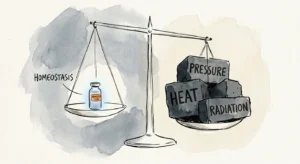
Mortality research evaluates human vulnerability against the most powerful forces in the natural and engineered world. When scientists and medical professionals investigate the worst ways to die, they do not focus on subjective fear. Instead, they analyze the objective physiological trauma inflicted when your body faces environments entirely incompatible with human biology. You rely on a delicate internal balance called homeostasis, which maintains your core temperature, regulates your blood pressure, and ensures your cells receive continuous oxygen. Extreme hazards obliterate this balance instantly or relentlessly degrade it until systemic failure occurs.
Hazard science applies a rigorous lens to understand these fatalities, dissecting the precise physical, chemical, and biological mechanisms that cause catastrophic bodily harm. By studying how extreme temperatures, massive radiation doses, and violent pressure differentials dismantle living tissue, researchers secure the data required to perform a root cause analysis. A root cause analysis represents the fundamental investigative process of tracing an incident back to its origin, identifying exactly where a system, structure, or biological defense failed. This evidence-based approach removes sensationalism from disaster history, replacing it with practical and actionable insights that save lives.
The lessons drawn from catastrophic deaths inform global engineering and public health policies. When you understand the physiological threshold of the human body, you can design better protective equipment, enforce stricter occupational safety laws, and develop highly accurate early warning systems. Engineers study extreme structural failures to build containment vessels that will not breach under immense stress, while medical scientists study acute trauma to formulate advanced treatment protocols. Examining these devastating scenarios ultimately strengthens community resilience, ensuring that society continuously learns from its most tragic losses.