Infrastructure & Environmental Effects
The built environment faces severe and unprecedented tests as we approach 2030. Much of the global infrastructure—including power grids, water treatment facilities, and transportation networks—was designed and constructed in the mid-twentieth century, based on historical climate data that is no longer valid. When these aging systems are subjected to the extreme loads of future natural disasters, they do not just underperform; they fail catastrophically, triggering widespread secondary emergencies.
The electrical grid remains the most critical vulnerability in modern society. By 2030, the frequency of severe, prolonged heatwaves is projected to push regional power networks beyond their operational limits. Extreme heat physically degrades electrical infrastructure; transmission lines sag into surrounding vegetation, causing localized fires, while transformers overheat and explode under the massive energy demand of millions of air conditioning units. When a grid collapses during a severe wet-bulb temperature event, it instantly creates a life-threatening public health emergency, stripping communities of cooling, communication, and electronic financial transactions.
Water management systems face equally dire threats from upcoming natural threats. Municipal water treatment plants are typically constructed at the lowest elevation points in a city to utilize gravity-fed sewage systems. This geographical necessity makes them incredibly vulnerable to extreme precipitation and coastal storm surges. When floodwaters inundate a treatment plant, millions of gallons of raw, untreated sewage and chemical runoff bypass filtration systems and pour directly into local waterways and residential streets. This massive contamination event destroys local marine ecosystems and renders the municipal drinking supply toxic for weeks or months.
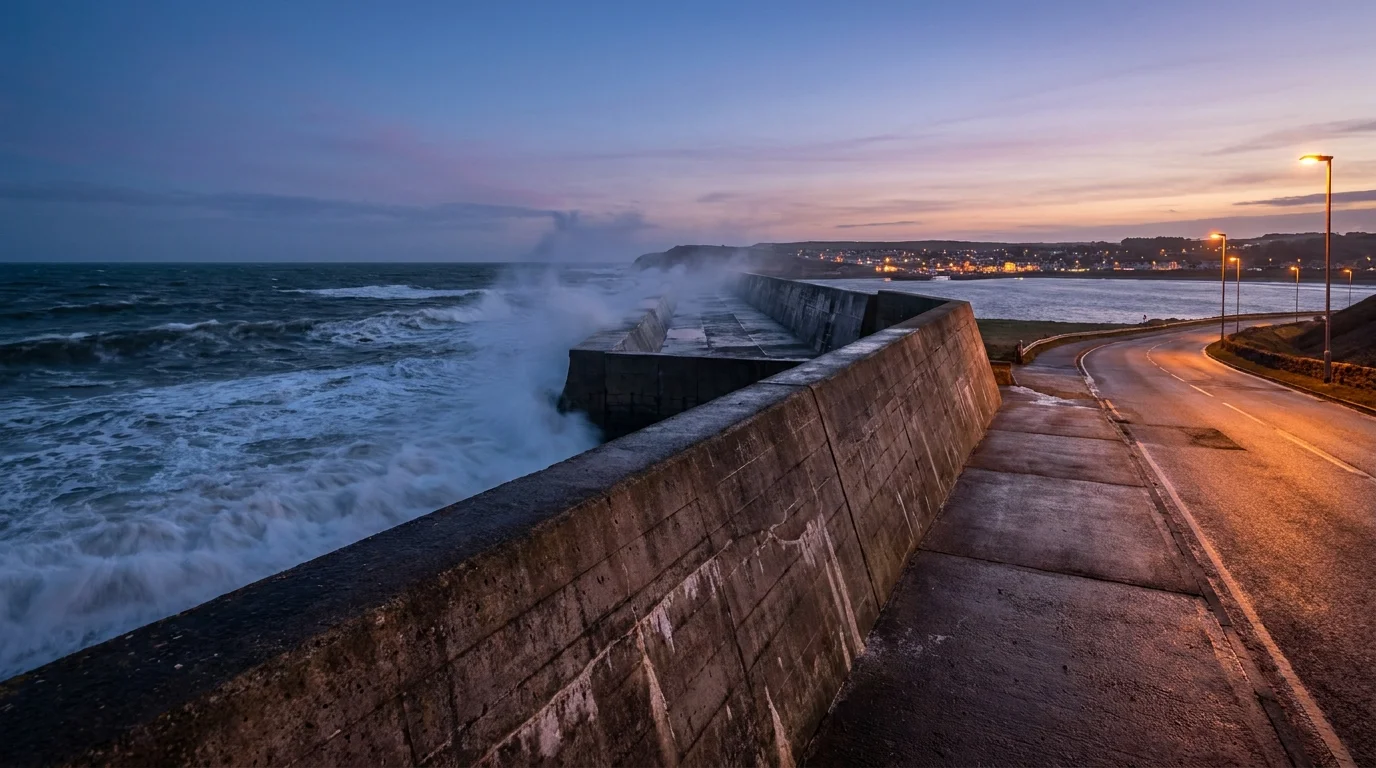
Transportation infrastructure—the lifelines for post-disaster recovery—will suffer debilitating damage. Flash floods and storm surges readily wash out bridge abutments, undermine railway tracks, and destroy critical port facilities. When a major port is incapacitated by a hurricane, the disruption ripples outward, halting the delivery of emergency relief supplies, construction materials, and everyday consumer goods. The isolation caused by severed transportation arteries forces emergency responders to rely on expensive and limited aerial supply drops, severely hampering the speed and effectiveness of recovery operations.
The environmental consequences of these disasters extend far beyond immediate structural damage. As sea levels rise and coastal storms intensify, saltwater intrusion becomes a critical environmental risk. Huge volumes of ocean water are forced into vital freshwater aquifers, permanently contaminating the agricultural water supply and turning fertile coastal plains into barren, saline landscapes. Furthermore, widespread flooding frequently breaches the containment barriers of industrial manufacturing sites and chemical refineries, releasing vast toxic plumes into the environment. The remediation steps required to decontaminate these zones are staggeringly complex, often involving years of soil excavation, extensive water filtration, and billions of dollars in ecological restoration efforts to make the land safe for human habitation again.