Understanding the natural disasters that could happen by 2030 requires analyzing current climate trends and geological pressure points to prepare your community effectively. Over the next few years, scientists warn that atmospheric warming and overdue seismic faults will trigger escalating environmental emergencies, ranging from unprecedented coastal inundation to severe megadroughts. You must recognize that these future natural disasters are not hypothetical scenarios but statistically probable events backed by geophysical data. By examining the mechanics behind these impending threats, you gain the practical insight needed to safeguard your home. Anticipating disaster predictions for 2030 allows you to transition from a state of vulnerability to one of active resilience before the next major catastrophic event strikes.
Overview
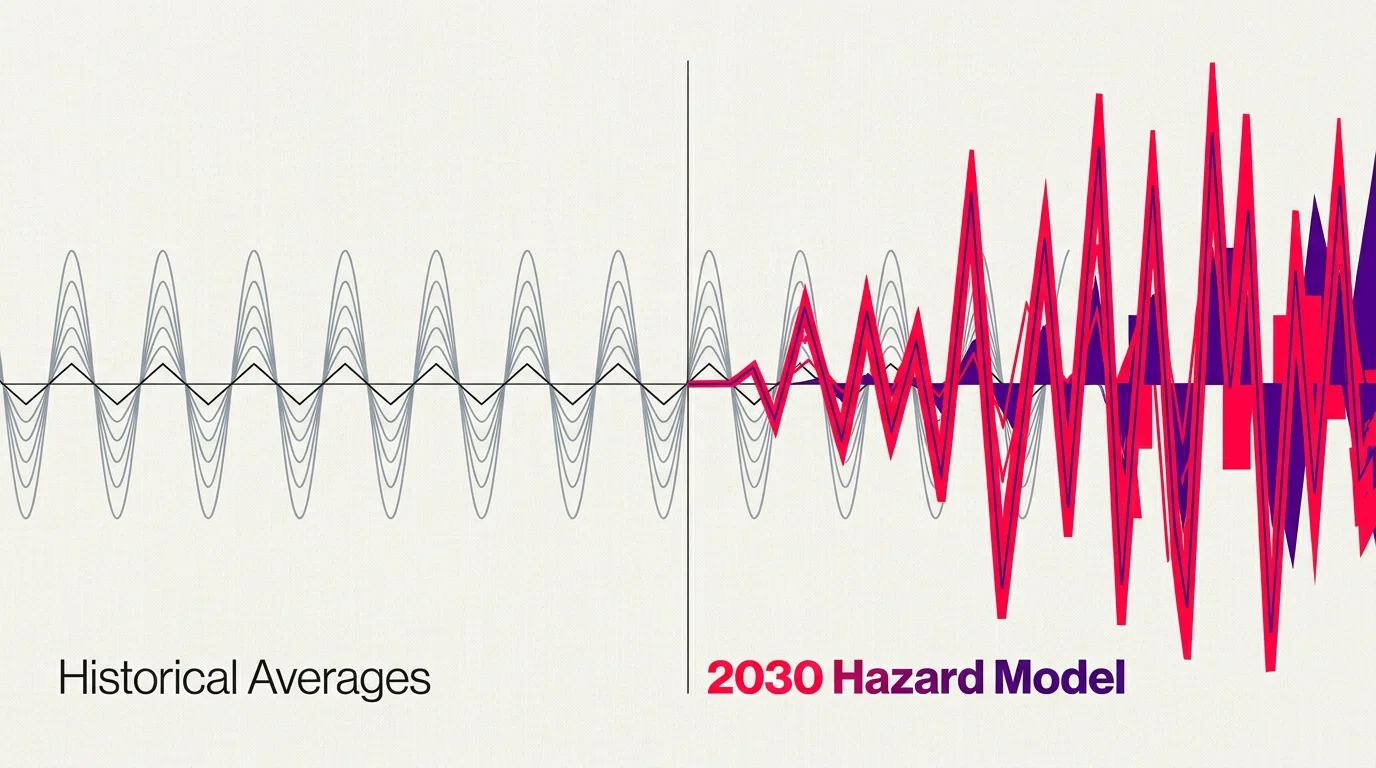
The dawn of the 2030s represents a critical benchmark in modern hazard modeling. For decades, emergency planners relied on historical averages to predict the frequency and severity of environmental emergencies. Today, that retrospective approach is fundamentally obsolete. The convergence of shifting climate baselines and mounting tectonic stresses means that the environmental risks you face are evolving at an unprecedented pace. The disasters projected to peak or manifest by 2030 include rapidly intensifying tropical cyclones, significantly expanded wildfire seasons, compounding heat-drought cycles, and mature seismic threats in highly populated fault zones.
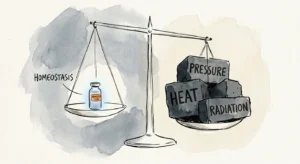
Recognizing the specific environmental risks projected for the end of the decade equips you to implement life-saving adaptations today. The scientific community has established that global mean temperatures are steadily approaching critical thresholds, which in turn supercharges atmospheric and oceanic systems. This excess thermal energy acts as an engine for extreme weather. Simultaneously, slow-moving geological processes—operating entirely independent of the climate—continue to build immense pressure along the boundaries of tectonic plates. When these long-overdue faults finally rupture, they will strike populations and infrastructure networks already weakened by repeated climate related disasters.
This reality requires a profound shift in how you view upcoming natural threats. These events are no longer isolated anomalies; they are interconnected systemic shocks. A massive wildfire in one region degrades air quality across a continent, while a localized coastal flood disrupts international supply chains for months. Understanding this interconnected vulnerability is the first step toward building meaningful resilience. By familiarizing yourself with the hazard science, tracking the chronological progression of a modeled disaster, and learning from recent engineering reforms, you can actively participate in safeguarding your community against the most severe threats expected over the next few years.