Human Impact & Response
The human toll projected for disasters occurring by 2030 demands rigorous preparation and a clear-eyed understanding of mass-casualty dynamics. Current modeling suggests that without aggressive mitigation, casualty and injury ranges from future natural disasters will strain global health systems beyond their designed capacity. Unlike historical events where damage was highly localized, the expansive nature of heat domes, prolonged megadroughts, and massive coastal surges will subject millions of people to severe physical and psychological stress simultaneously.
Public health experts are particularly concerned about the cascading medical crises triggered by environmental risks. When a category 5 storm strikes a highly populated coastline, the immediate injuries from flying debris and structural collapse represent only a fraction of the total human impact. In the days following the event, the loss of electrical power shuts down life-saving medical equipment and disrupts cold-chain storage for vital medications like insulin and vaccines. Furthermore, the inundation of municipal sanitation systems inevitably leads to the rapid spread of waterborne pathogens. By 2030, rising baseline temperatures will also allow vector-borne diseases to spread poleward, introducing new epidemiological threats to populations recovering from acute physical disasters.
Mass evacuations present one of the most formidable logistical challenges for emergency management by 2030. Moving hundreds of thousands of residents out of harm’s way requires meticulously coordinated transportation networks. However, as extreme weather events develop with less lead time, the window for safe evacuation shrinks. You must recognize that relying solely on highway systems is flawed; traffic gridlock, sudden road washouts, and fuel shortages frequently trap vulnerable populations in the direct path of the hazard. Consequently, response planners are increasingly shifting toward localized sheltering strategies, identifying highly reinforced, elevated structures within communities where residents can ride out the event safely.
The psychological impact of prolonged displacement forms a critical element of the human response. Climate refugees—individuals forced to permanently abandon their homes due to repeated flooding, relentless wildfires, or failing water supplies—face immense mental health challenges. The loss of community cohesion, historical heritage, and economic stability generates long-term trauma. Humanitarian operations by 2030 will need to heavily integrate psychological first aid alongside traditional distribution of food, water, and shelter, recognizing that rebuilding a community’s mental resilience is just as vital as reconstructing its physical buildings.
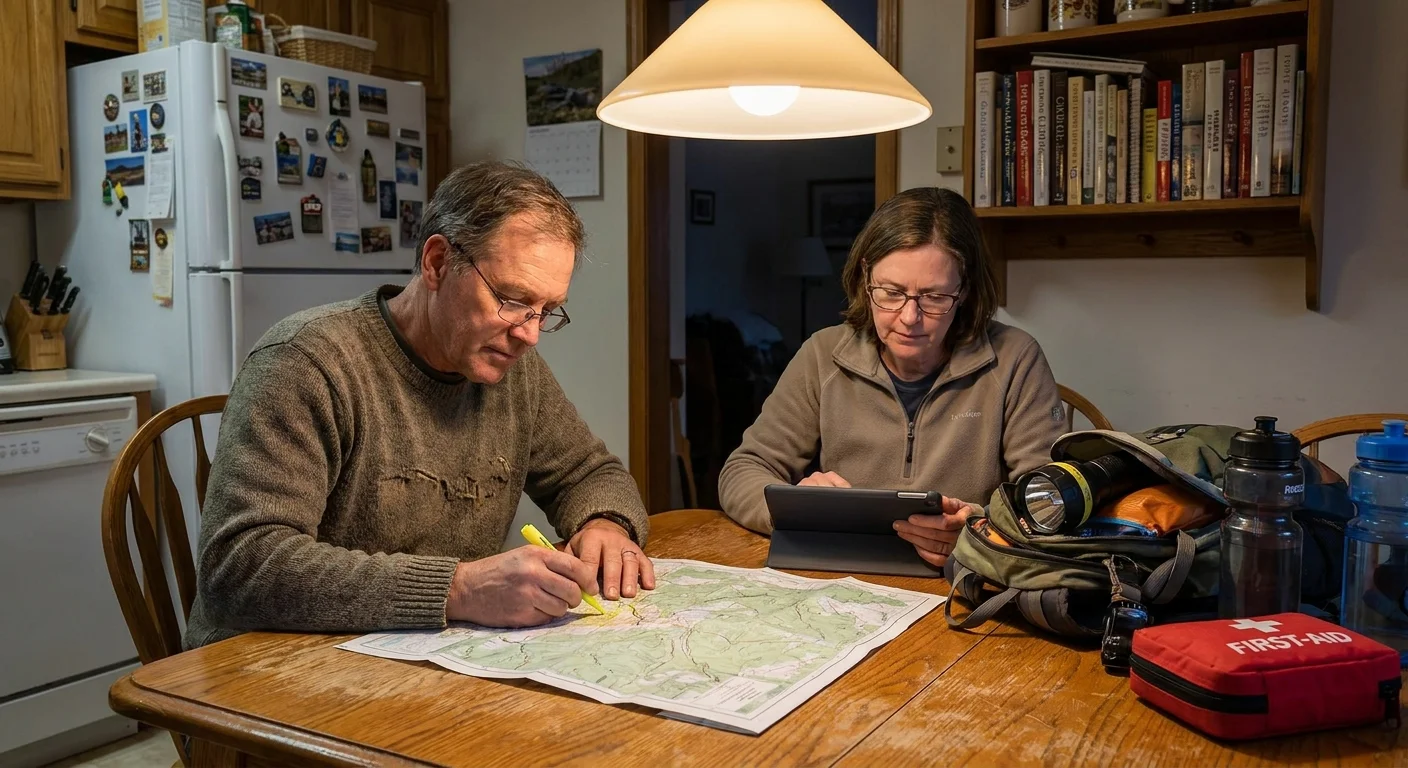
Addressing these enormous human impacts requires a fundamental evolution in how you and your community approach disaster readiness. Government agencies cannot be everywhere at once during a catastrophic, multi-state event. The most successful humanitarian operations leverage highly organized, decentralized neighborhood networks. By completing basic medical training, mapping out the vulnerable individuals in your immediate vicinity, and stockpiling communal resources, you transform your neighborhood from a group of passive victims into an active, highly effective response unit capable of sustaining life during the critical first week of a disaster.