Lessons & Reforms
Surviving the disaster predictions for 2030 requires moving beyond mere reactive emergency response and heavily investing in proactive mitigation. The severe property losses and human casualties experienced over the past decade have forced structural engineers, urban planners, and policymakers to completely reevaluate how communities are constructed. The central lesson learned is that retrofitting society to withstand modern environmental risks is vastly more cost-effective than repeatedly paying for post-disaster reconstruction.
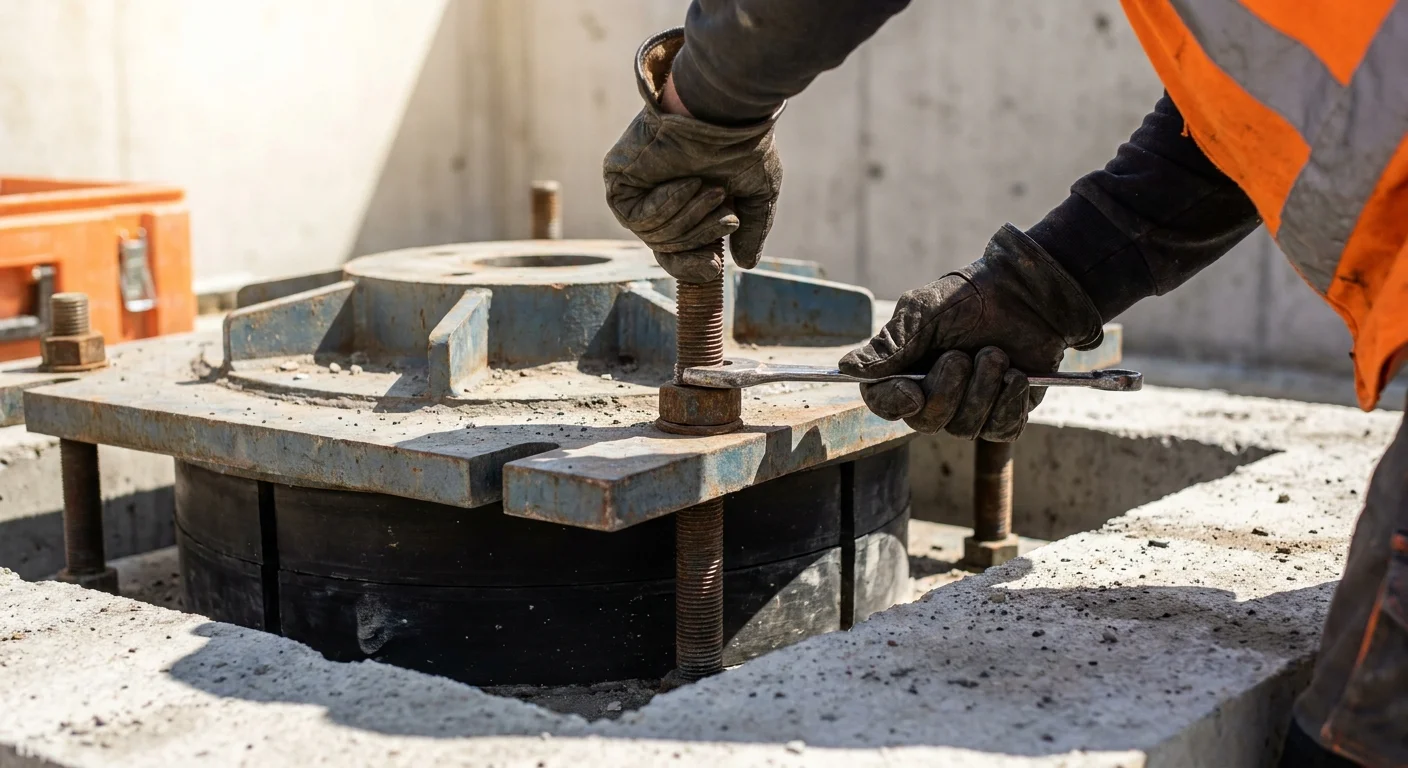
Significant reforms in building codes serve as the frontline defense against future natural disasters. Engineers are actively shifting away from prescriptive codes—which simply dictate the materials used—toward performance-based design standards. These modern codes require structures to maintain specific functional capabilities during an extreme event. For example, hospitals in high-risk seismic zones are now routinely built on massive rubber and steel base isolators. These immense shock absorbers decouple the building from the violent motion of the ground, ensuring that the facility not only survives an earthquake but remains fully operational to treat the influx of injured patients.
Regulatory zoning changes provide another powerful tool for community resilience. A prime example of this is the implementation of elevated floodplain standards. In recent years, updated regulations have required all new vital infrastructure funded by public money to be constructed at least two feet above the established 100-year base flood elevation. The effect of this targeted regulation is profound. During a recent coastal surge event, municipal facilities built to this new standard survived with zero internal flooding, preventing millions of dollars in repair costs and averting catastrophic water contamination. This regulation change directly protects municipal tax bases and preserves critical housing stock.
Energy resilience dictates that communities must decentralize their power generation by 2030. The vulnerability of massive, interconnected power grids has driven the rapid adoption of localized microgrids. These independent energy networks combine solar panels, large-scale battery storage, and smart-switching technology. When a hurricane destroys the main regional transmission lines, a neighborhood equipped with a microgrid automatically disconnects from the failing macro-grid and sustains its own power independently. This localized approach to power management reduces blackout recovery times from weeks to mere hours, keeping critical medical clinics, grocery stores, and communication hubs online.
Finally, urban planners are heavily integrating nature-based solutions to buffer against extreme weather. Decades of paving over natural landscapes exacerbated urban flooding and accelerated coastal erosion. Now, massive remediation projects are actively restoring thousands of acres of coastal wetlands and mangrove forests. These natural barriers act as immense ecological sponges, absorbing the destructive energy of incoming storm surges and soaking up excess torrential rainfall before it reaches residential zones. By blending advanced engineering with ecological restoration, you can help build communities that are fundamentally adapted to the harsh realities of the coming decades.