Infrastructure & Environmental Effects
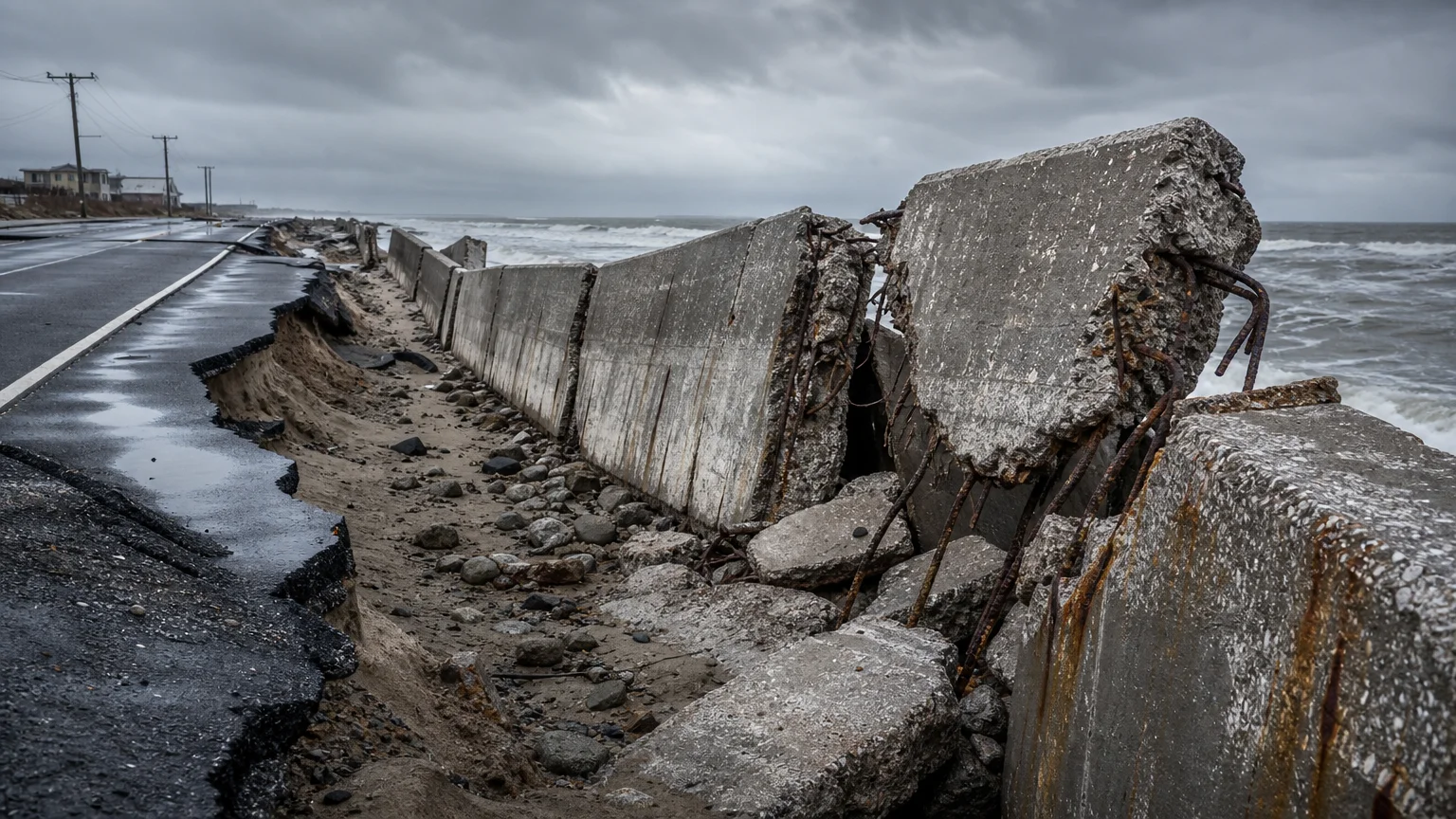
Catastrophic storms systematically dismantle the built environment. When a storm of historic intensity strikes, it exposes every weak point in regional infrastructure. The 1975 Typhoon Nina disaster provides the clearest example of overwhelming infrastructure failure. The Banqiao Dam, designed to withstand a one-in-a-thousand-year flood, faced a storm that delivered 1,060 millimeters of rain in twenty-four hours. When the spillways clogged with debris, the water topped the earthen dam and triggered a catastrophic structural collapse. The resulting wave destroyed transportation lines, power grids, and heavy industry for hundreds of miles.
Power and communication grids remain highly susceptible to severe wind events. Hurricane Maria entirely destroyed Puerto Rico’s electrical transmission system, which suffered from years of deferred maintenance prior to the storm. The high winds snapped thousands of wooden utility poles and crumpled steel transmission towers. Rebuilding an island’s power grid requires importing massive transformers and spools of specialized wire through damaged seaports, which exponentially delays the recovery process and paralyzes the local economy.
Industrial infrastructure damage frequently triggers severe secondary environmental consequences. During Hurricane Harvey, the unprecedented rainfall flooded chemical plants and oil refineries located along the Texas coast. Facilities lost power to their cooling systems, resulting in volatile chemical fires. Floodwaters washed millions of gallons of toxic industrial runoff and untreated wastewater into the local bayous and the Gulf of Mexico. This environmental contamination poisoned local aquatic ecosystems and presented severe health hazards to residents navigating the floodwaters.
Agricultural destruction represents a less visible but equally devastating environmental and economic impact. When Cyclone Idai flooded Mozambique, the storm surge pushed salt water far inland. This saltwater intrusion altered the soil salinity, making the land hostile to traditional crops long after the floodwaters receded. Furthermore, the winds stripped millions of trees of their foliage, interrupting local carbon cycles and triggering rapid coastal erosion. Restoring the ecological balance after a catastrophic storm requires decades of deliberate environmental remediation and soil management.
Transport and workplace investigations via the NTSB and OSHA. Risk reduction resources at the UNDRR.